When the Conqueror Steals the Tongue
Ngũgĩ wa Thiong’o, Kaaps, and the Language of Return
“Take away our language and we will forget who we are.”
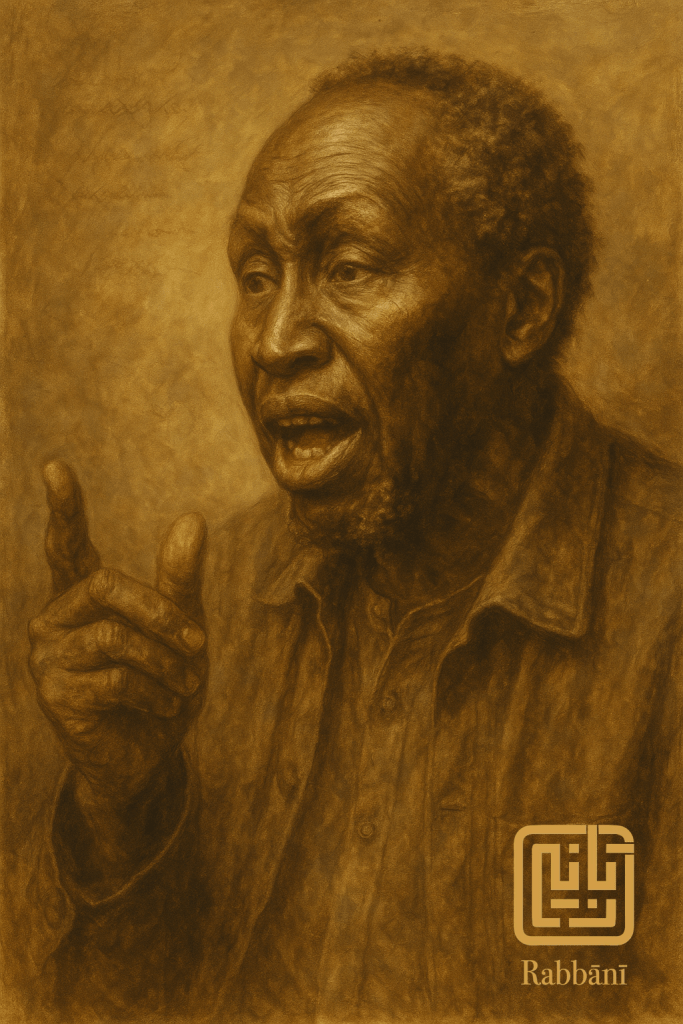
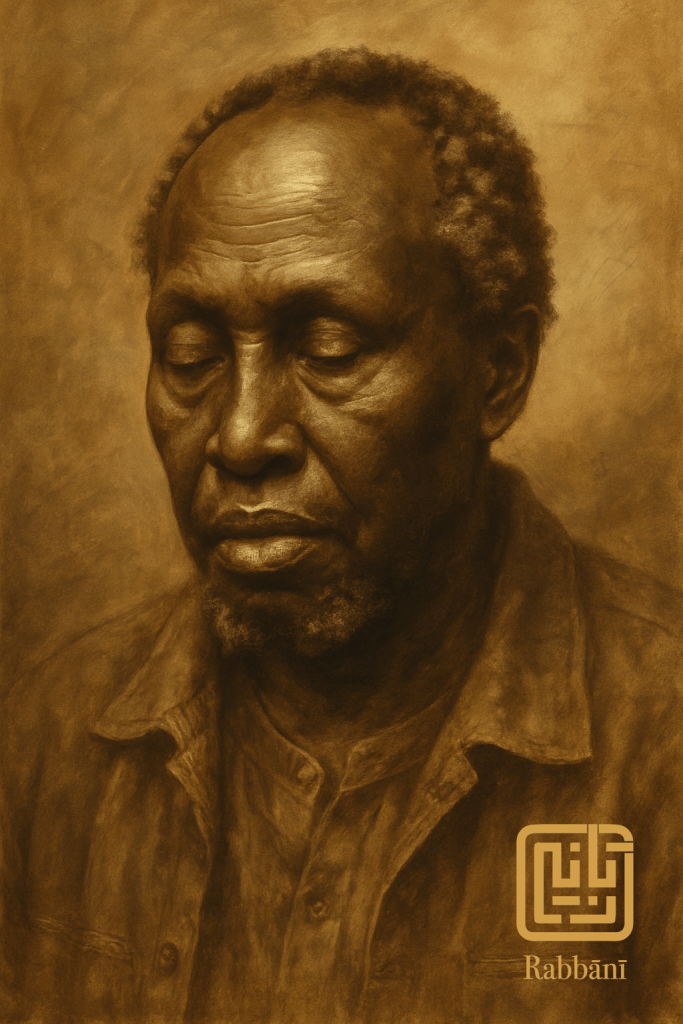
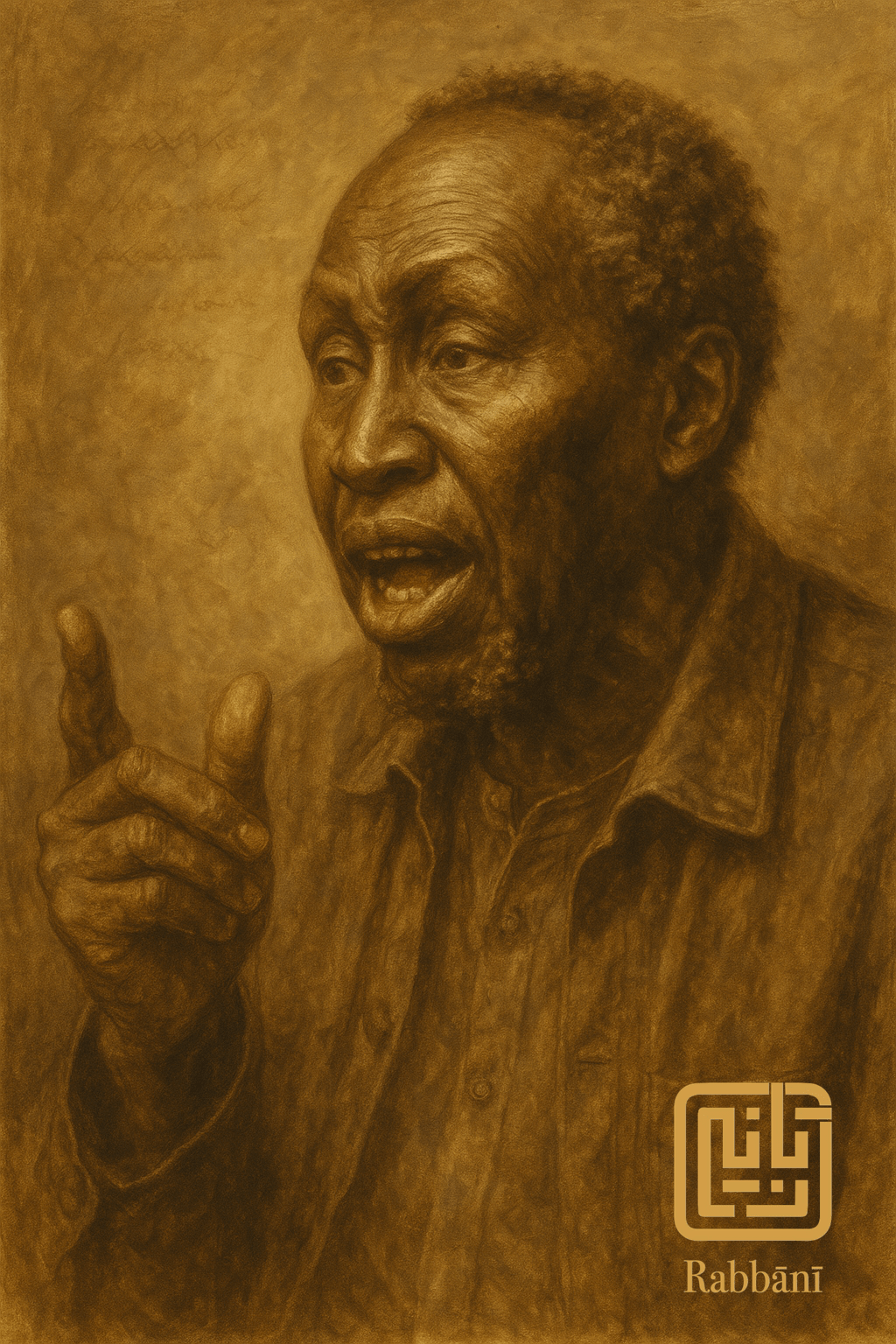
Ngũgĩ wa Thiong’o’s words land with the sharpness of memory — not just for Kenya, where he grew up, but here at the Cape, where empire’s conquest of our bodies came with a quieter, more enduring conquest of our tongues.
Ngũgĩ’s recent essay in The Guardian tells how colonial schools punished African children for speaking their mother tongues, rewarding only the conqueror’s speech. It shows how missionaries imposed new, biblical names on students — turning Ngũgĩ into “James” — severing identity at the root. He calls this the colony of the mind, where shame and silence make us police our own voices.
The Cape Echo
We know this story.
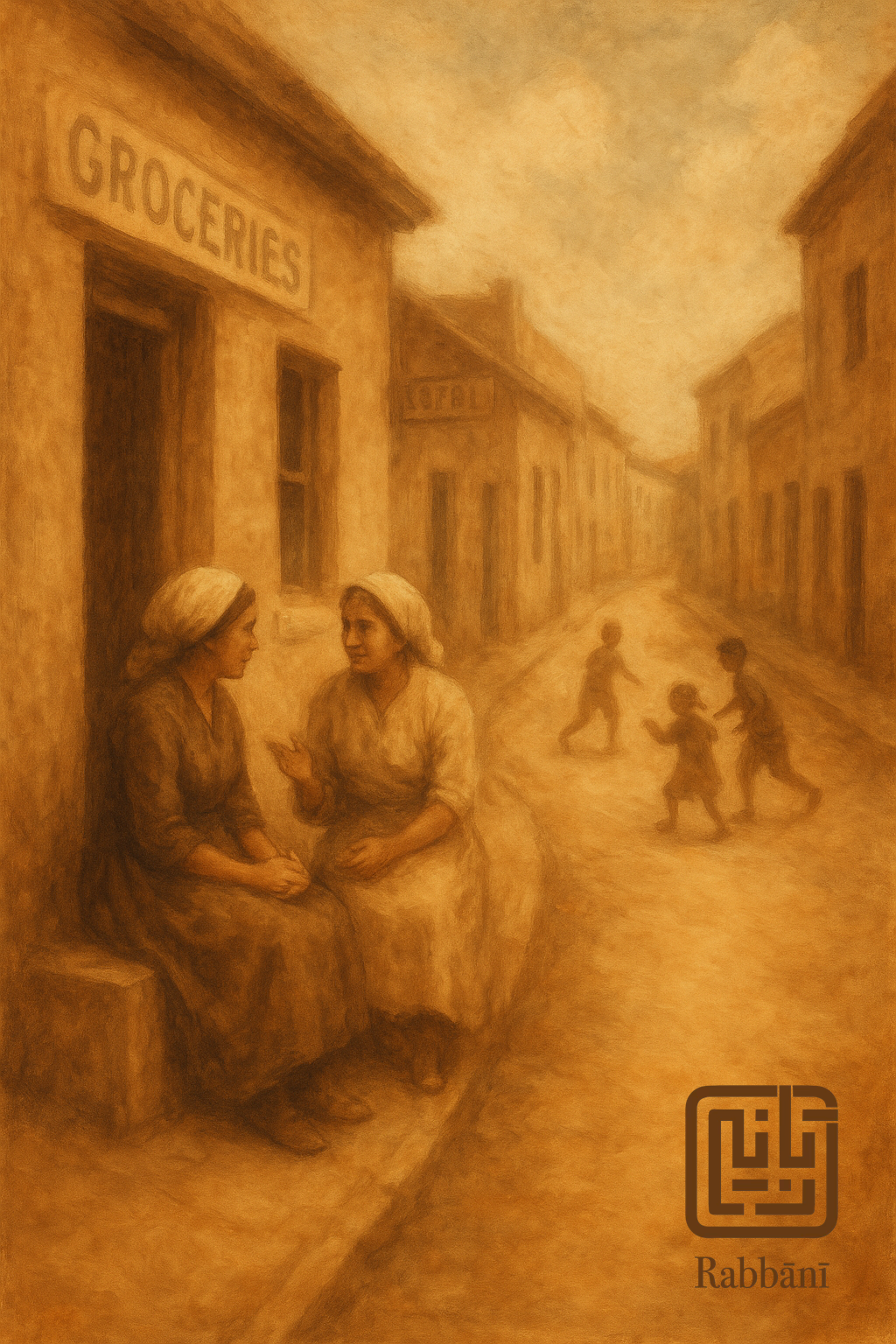
In our Cape classrooms, Kaaps — the language of our homes, jokes, and arguments — was labelled “slang,” “broken,” or “incorrect.” Arabic-Afrikaans, the written tongue of our forebears’ Qur’ans and litanies, vanished from the public page. It was no accident. This was the slow grind of erasure: to make us strangers in our own mouths.
Kaaps as a Living Archive
Kaaps is not “lesser” Afrikaans. It is the living grammar of the Cape, born from the meeting of Khoi, Malay, enslaved African, and European tongues. It carries the rhythm of working-class streets, the tenderness of family kitchens, the wit of those who survive by laughing.
Ngũgĩ’s call for linguistic justice speaks directly to Kaaps: the demand that we write, publish, and teach it without apology, that we refuse to bleach it into acceptability. To reclaim Kaaps is to reclaim the right to sound like ourselves.
The Ratib al-Haddad and the Sound of Home
If Kaaps is our daily voice, Arabic-Afrikaans is our prayer voice. In the Ratib al-Haddad, Cape Muslims preserved the Qur’an’s Arabic alongside Kaaps-Afrikaans, written in Arabic script. These manuscripts are living proof that language can survive conquest by going underground — into the masjid, the madrasa, the family du’a.
Ngũgĩ imagines a network of languages, each contributing its own beauty. The Ratib is already that: Arabic, Malay, and Kaaps carrying barakah together, resisting the empire’s hierarchy of tongues.
Colonies of the Mind
The greatest victory of conquest, Ngũgĩ says, is when we no longer need to be told our languages are inferior — we have already believed it. That is the “colony of the mind.”
This is why we keep unearthing Arabic-Afrikaans manuscripts, writing Kaaps into the public record, celebrating the medora and the sorbaan, documenting the words of our elders. These are not side-projects — they are acts of return.
From Erasure to Inheritance
Ngũgĩ reminds us: decolonisation begins with language. Every blog on Kaaps, every poster that holds a Cape word like a jewel, every unpacking of the Ratib is not just cultural garnish — it’s the soil in which freedom takes root.
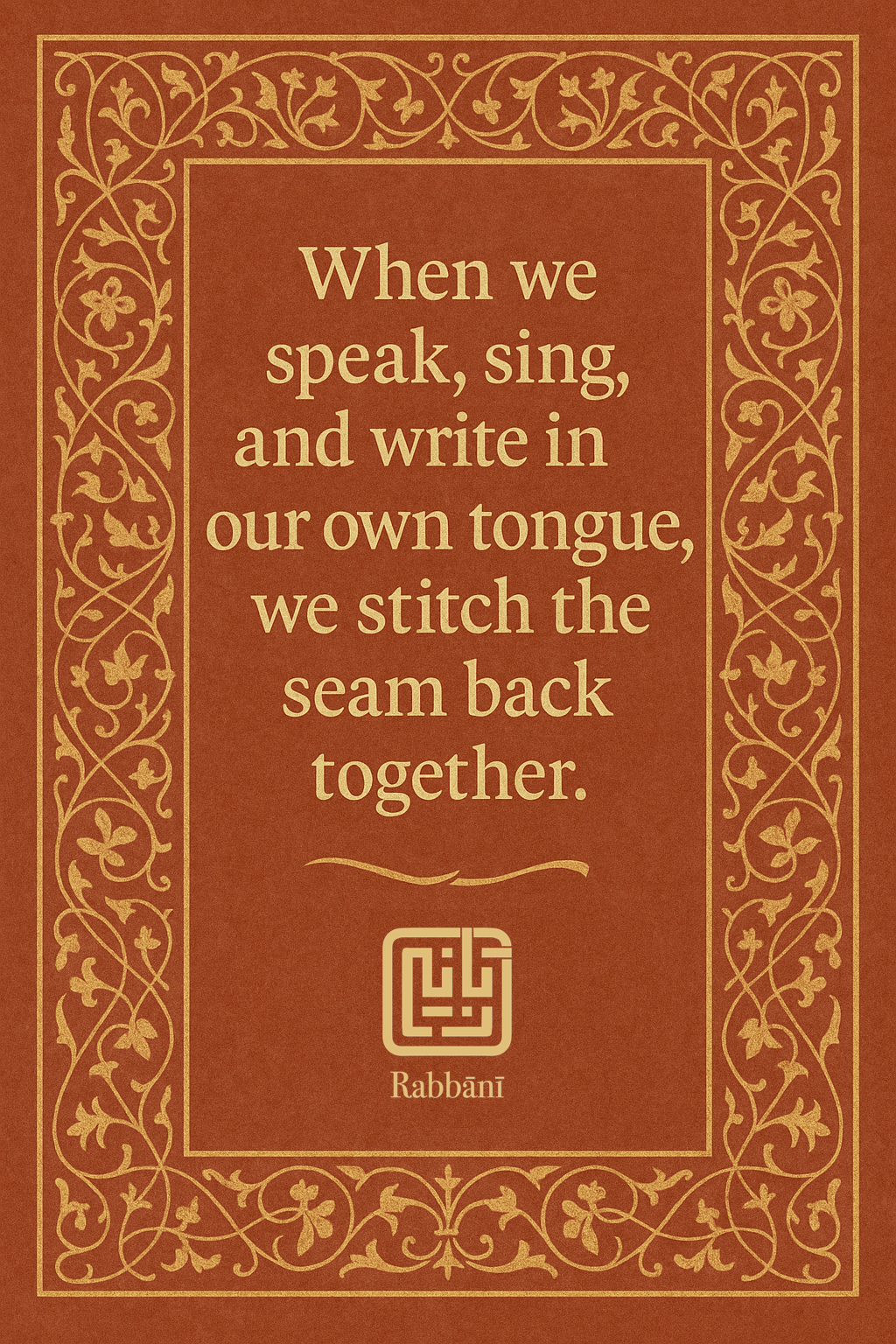
If the conqueror severs language to make us forget, then our work is to speak, sing, write, and teach in our own tongues until our children’s children remember again.
📖 Read Ngũgĩ’s full essay here: The Guardian
Further Reading
If this reflection spoke to you, you may also like:
- The Mother Tongue of Tasbih: Afrikaans, Islam, and the Echoes of Resistance – on how devotional Afrikaans holds both worship and defiance.
- The Forgotten Tongue of Remembrance – a journey into Arabic-Afrikaans and its almost-erased memory.
- The Ratib al-Haddad: A Symphony of Spiritual Resilience – the Cape’s unique preservation of a global Sufi litany.
- A Word That Wounds and Wakes Us: Rethinking “Coloured” in the Age of Memory – an unflinching look at naming, identity, and the work of remembrance.
 Adli Yacubi