Category: Legends

  • The Stormborne Sisters: A Karoo Creation Tale

    The Stormborne Sisters: A Karoo Creation Tale

    The Stormborne Sisters: A Karoo Creation Tale

    Introduction

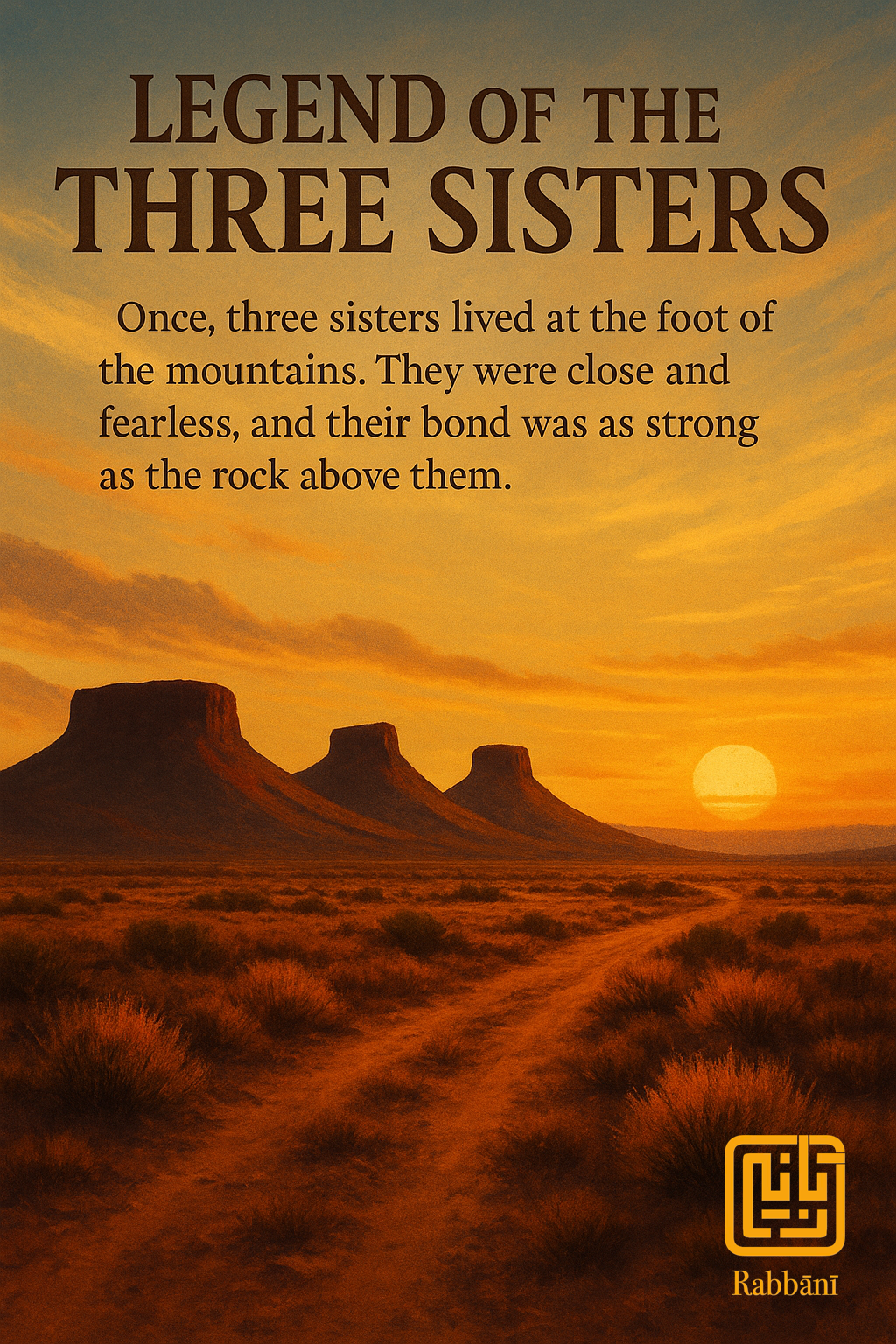
    In the heart of the Karoo, between silence and stone, stand three koppies known simply as the Three Sisters. But long before GPS and road signs, they were not just hills. They were memory, myth, and warning. This is their story — reworked, reimagined, and returned to light.

    The Legend

    In the time before breath, before bone, before the Karoo knew its name, there were storms. Not of rain, but of voice — wild, furious, generative. From these storms came three daughters of wind and flame.

    Hurricane was the eldest. She spun slowly, singing in deep spirals, her voice the ocean’s moan. She remembered everything.

    Tornado was the dancer. Sharp. Fast. She carved paths through time, her tongue flashing with lightning.

    Desert Storm was the dream-weaver. She painted clouds, shifted shapes, left frost on mountaintops and fire in valleys.

    One night, a celestial body tore across the sky — a comet called Naariq, the Thirstbreaker. It did not destroy. It wept.

    Its tears fell like molten glass, planting seeds that bloomed into crystalline gardens. These gardens sang. They hummed the dreams of stars, mirrored the fears of jackals, held the footsteps of those yet born.

    But the land cracked again. And the sisters knew: it was time to become stone.

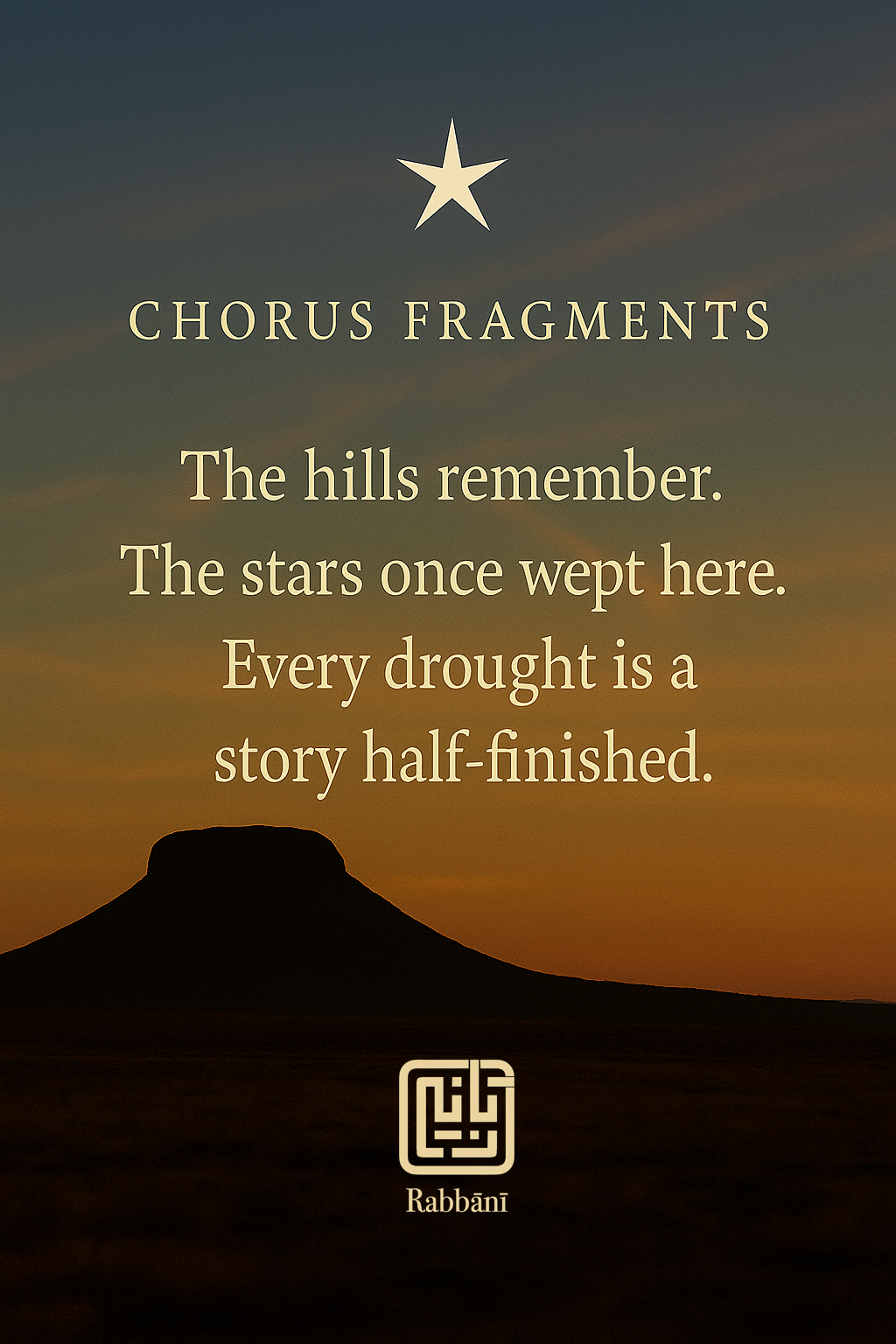
    So they stood, side by side, and let the wind turn them solid. The Karoo opened her chest, and from it rose three ribs — the Three Sisters.


    Poems of the Three Sisters

    HURRICANE – The Elder, Memory-Keeper
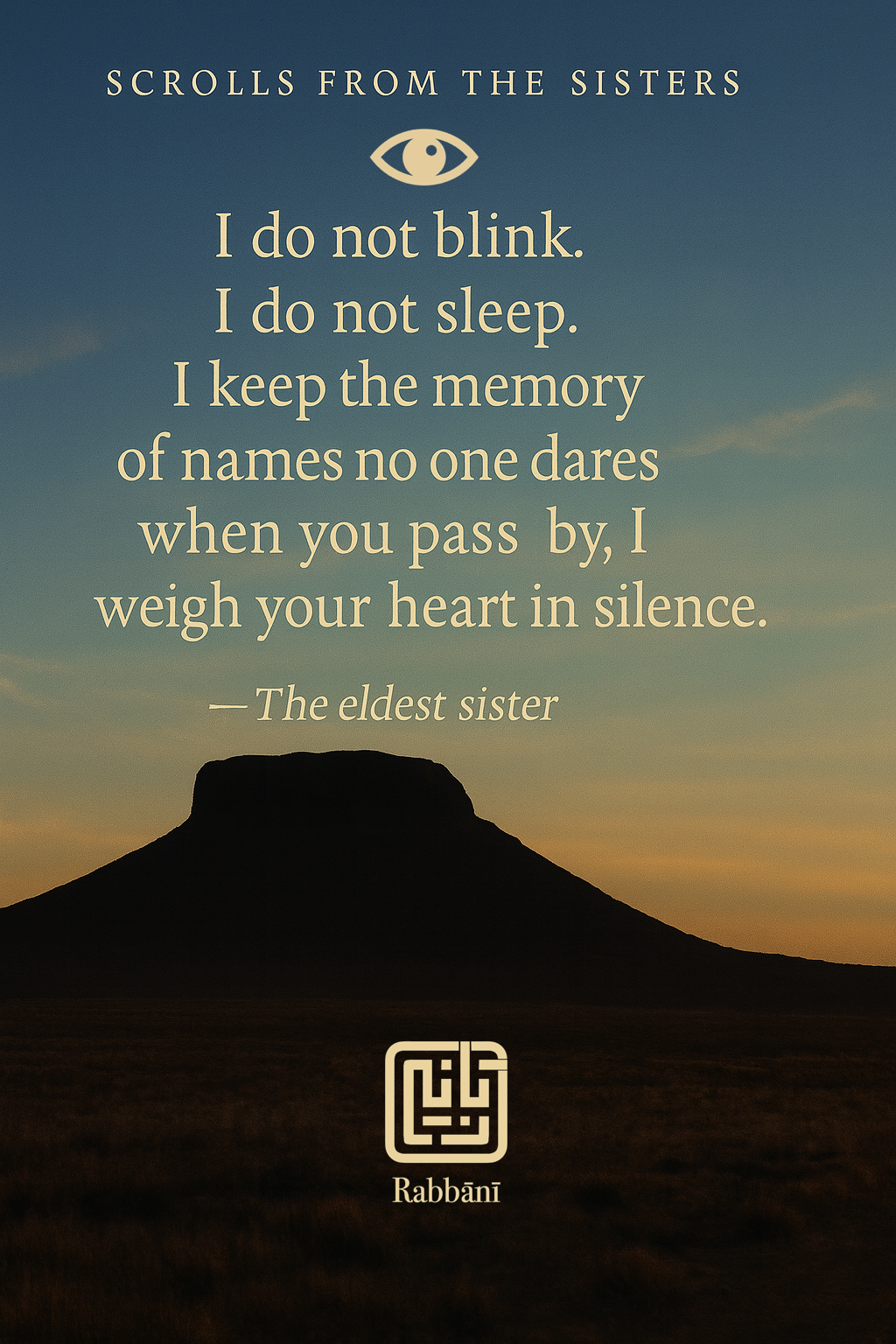
    They called her Old Spiral,
    whose eyes held the sea’s sorrow.
    She sang in slow thunder,
    turning grief into guidance.
    From her lips, the language of whales.
    From her fingers, the first maps.
    When she wept, rivers returned.
    When she stood still, wind found its compass.
    Memory wrapped her like a shawl.
    She never forgot the beginning —
    nor the names of the drowned.


    TORNADO – The Wild Dancer, Blade of Time
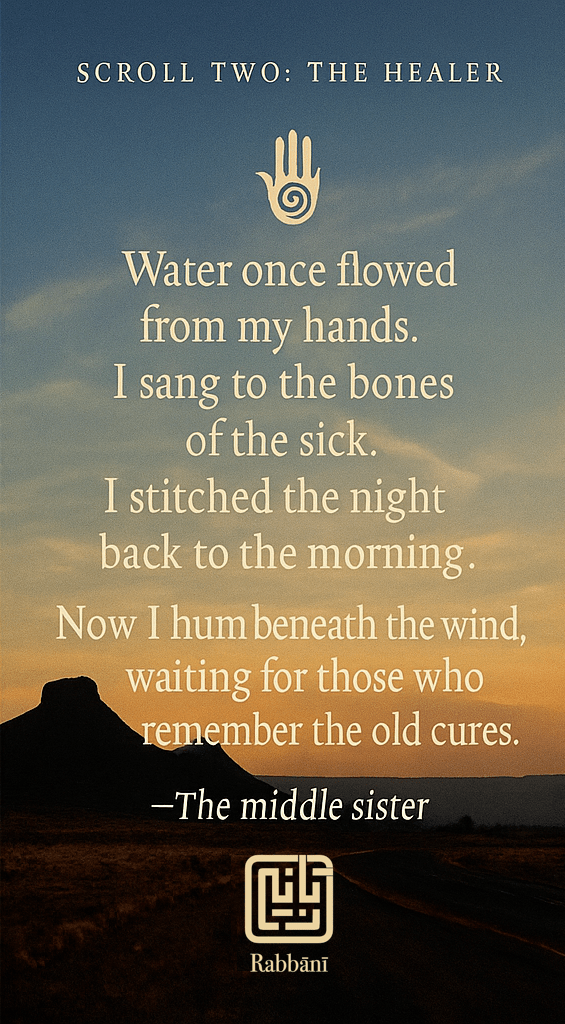
    She moved like a question unasked.
    A flicker, a flame, a flash in the eye.
    Children say she could bend time’s neck,
    turning past into present with one step.
    She wrote her name on cliff faces,
    carved warnings into baobab bark.
    When Naariq came, she was the first to rise.
    Not to fight — but to dance so fiercely
    the sky itself split to watch.
    She whirled until stars blurred —
    until history collapsed into dust.


    DESERT STORM – The Shapeshifter, Dream-Weaver
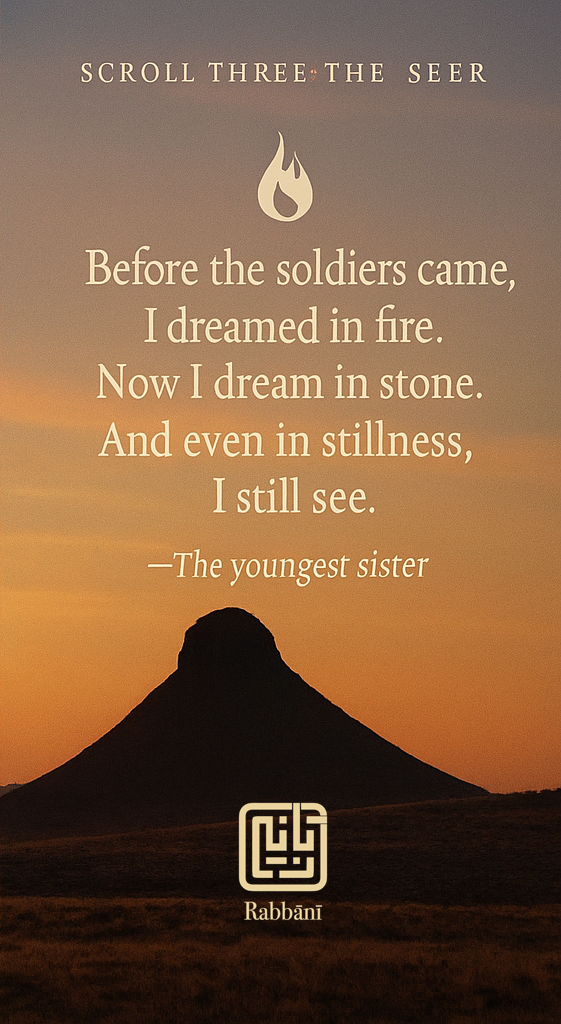
    Cloud painter, frost bringer,
    the last to speak and the first to vanish.
    She hid her name in jackal cries,
    in mirages that teach the thirsty to pray.
    Her gift was silence that heals.
    Snow in summer. Rain in song.
    She once kissed a comet so gently
    it forgot to burn.
    And when the sisters turned to stone,
    it was she who shaped their spines.
    They say she still walks the salt pans —
    barefoot, barefoot, barefoot…


    2. 🌠 Who (or What) Is Naariq?

    Let’s not make Naariq a flat villain. Let’s make him:

    • cosmic disruptor, yes — but also a catalyst.
    • A comet not sent to destroy, but to test the world’s memory.
    • He weeps. He plants crystal seeds. But his very arrival unravels time, thirst, and story.

    Naariq, the Thirstbreaker

    Not enemy. Not saviour.
    A comet born of forgotten prayers.
    He wept not because he was sad —
    but because he remembered water.
    Where he passed, memory frayed.
    Desire bloomed like wildfire.
    He brought seeds of crystalline dream —
    and the sisters, too strong to fall for gold,
    chose stone instead.


    The Vanishing

    When Naariq came — streaking across the Karoo sky like a blade of thirst —
    the world stilled.
    People ran. Wells dried. Time folded.

    But the sisters did not flee.

    They stood in silence, facing the comet’s weeping light.
    They did not strike, nor speak.

    They absorbed him.

    His heat. His ache. His longing. His memory of galaxies.

    And when the light faded, there were no bodies left.
    Only three dark hills, humming softly at dusk.

    That is why the koppies sing.
    Because they carry Naariq inside them.
    Because silence is the only song strong enough to hold fire.

    The Return

    A child stands at the foot of the middle hill. She thinks she hears thunder. But there are no clouds. Only wind. And her grandmother’s voice returning in the rustle of dry grass…


    Closing Reflection

    Today, travellers speed past on the N1, barely glancing. But those who pause — those who walk into the wind — may still hear the Sisters speak.


    Author’s Note

    This is one of many Cape myths whispered through stone and silence. As part of the Rafiq al-Bunduqia & Rabbānī scrolls, I offer it not as a fixed legend, but as a companion to your own remembering.
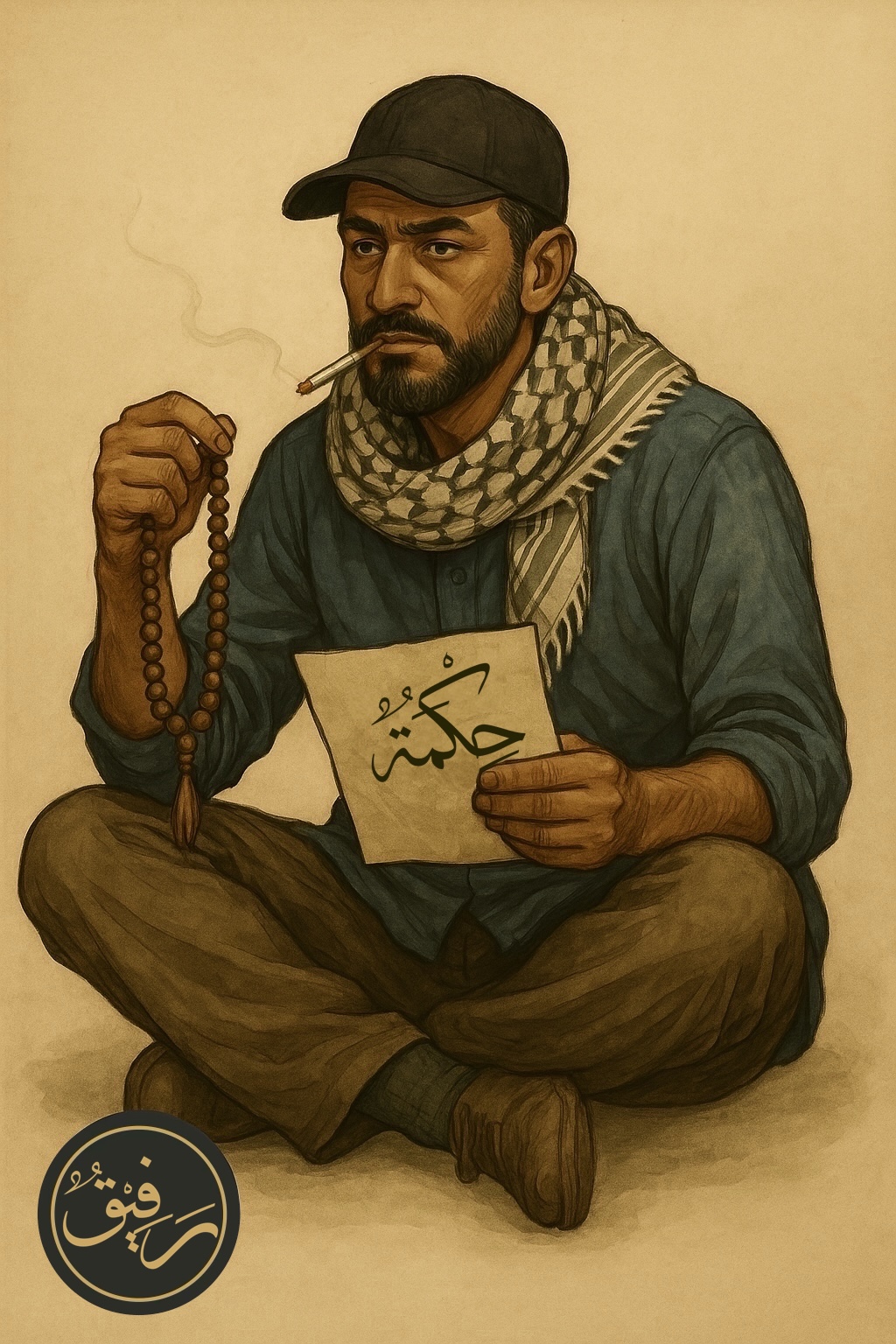
  • The Garden of Words

    The Garden of Words

    The Garden of Words

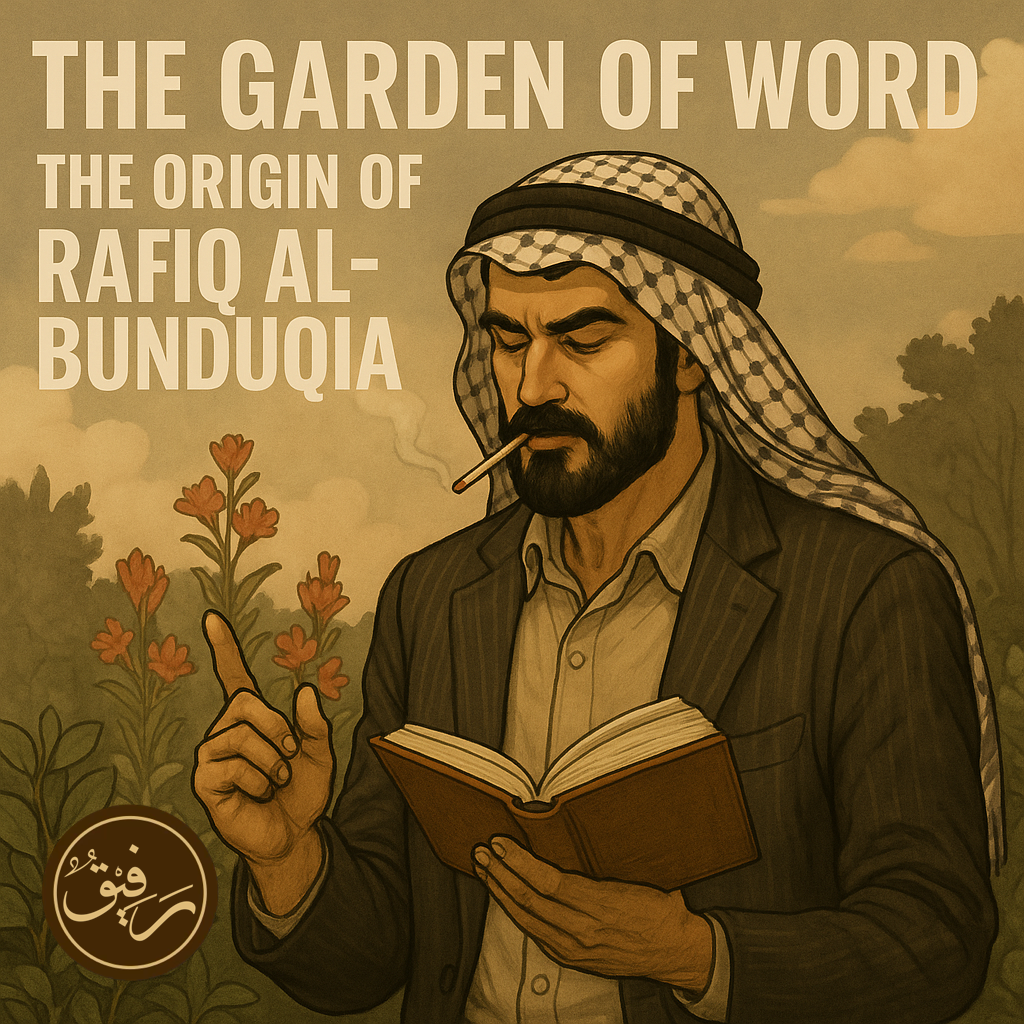
    The Origin of Rafiq al‑Bunduqia

    Before there were scrolls, there was silence.

    Before the baseball cap, the side-eye, and the wisecracks,
    there was something softer — a garden.

    Not of vegetables or vines, but of words:
    words whispered, weathered, watered by prayer.

    I wrote this piece years ago as a meditation on growth, loss, and language.
    Only now do I realise:
    this garden was the soil that gave us Rafiq al‑Bunduqia —
    the companion of pause, the superhero of syntax, the witness in the passenger seat.

    🌱 Introduction

    Not all heroes crash through walls.
    Some sit beside them and ask, “Who built this?”

    He doesn’t leap tall buildings.
    He takes long pauses.

    His name is Rafiq al‑Bunduqia.
    Shotgun companion.
    Keeper of silences.
    Superhero of the word.

    This is his origin scroll.


    📜 1. A Garden, Once Planted

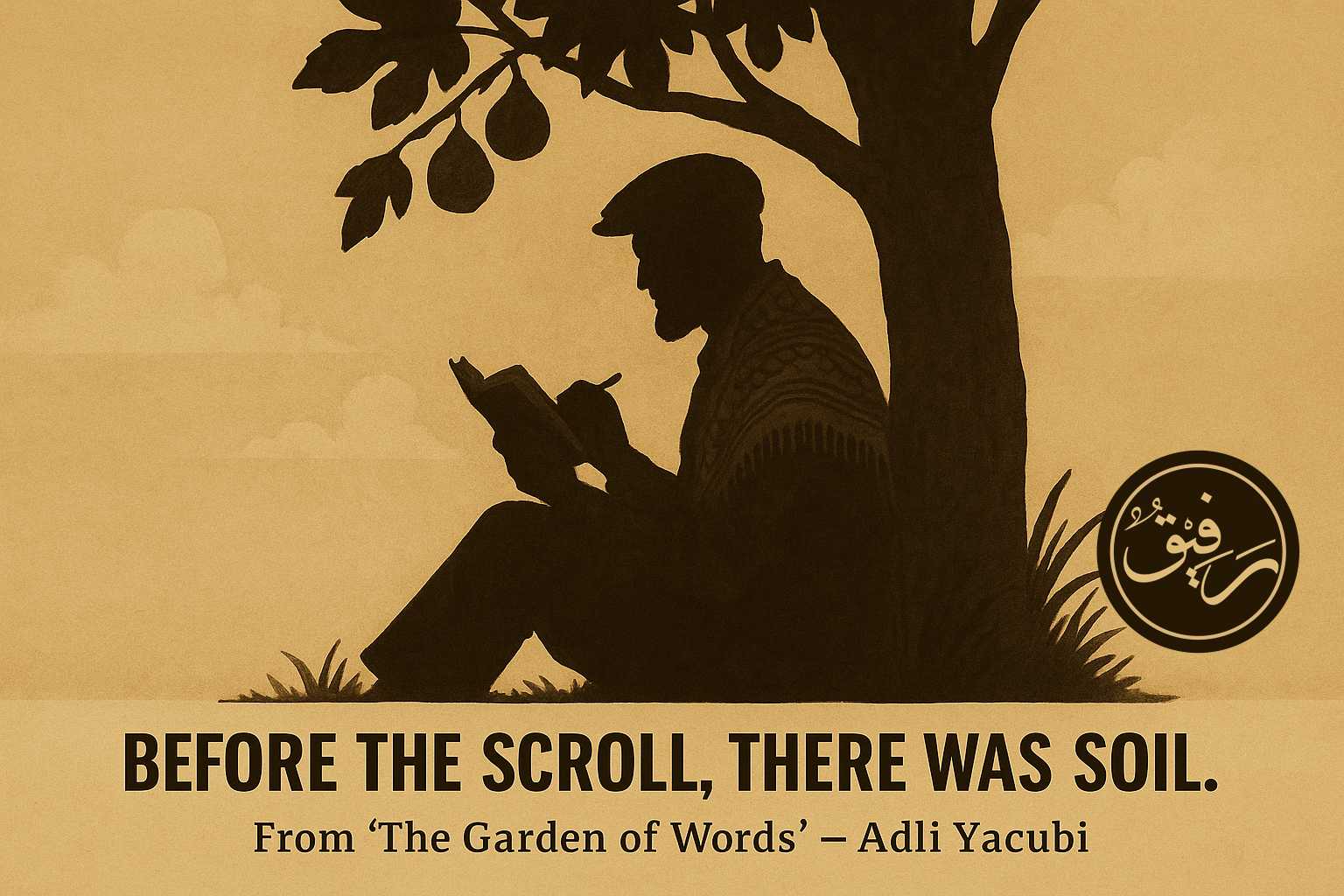
    Years ago, I wrote The Garden of Words.
    It was a meditation on how language grows: slowly, unexpectedly, in sunlight and ache.

    I had no idea then that someone had been walking in that garden all along —
    listening to the leaves, laughing at the metaphors,
    sharpening a pencil beneath a loquat tree.

    His name came later.
    But his presence?
    It was always there.


    🦸🏽‍♂️ 2. What Kind of Superhero Is Rafiq?

    Rafiq does not fly.
    He walks. Slowly. On purpose.

    He doesn’t rescue you — he reminds you.
    He doesn’t dazzle — he decodes.

    His weapons are:

    • A well-timed question
    • A half-smile that disarms
    • A quote from a street aunty that cuts deeper than any Hadith app
    • And a scroll, always a scroll

    He moves through WhatsApp voice notes, bread queues, and Threads threads.
    You won’t notice him until it’s too late — and then you’re crying and breathing better.


    📖 3. His Powers

    PowerDescription
    The PauseHe listens long enough to hear the truth behind your noise.
    The CompassHe helps you re-find your qiblah when algorithms have stolen your sense of direction.
    The Scroll DropShort, sharp, soulful — he leaves them like seeds on sidewalks.
    Code-Switching CloakFluent in Kaaps, Qur’an, colloquialism, and meme. He’ll talk street or soul depending on what you need.

    💭 4. Why the World Needs Him

    In an age of constant noise, Rafiq carries something ancient:

    Discernment.
    Mercy.
    Memory.

    He shows us that to speak well is not the same as to speak wisely.

    That sometimes, the most radical act is to say nothing — and let someone else be heard.

    🪞 Moment 1: “Don’t Answer So Fast”

    They were all arguing on the stoep — about Gaza, gangsters, grief, government.
    Everyone had an opinion.
    Except Rafiq.

    He just watched, sucking on a toothpick.
    Then he said:

    “Don’t answer so fast, my broer.
    Sometimes, your answer is just your trauma trying to sound clever.”

    Silence. A pigeon flew off the roof.
    No one spoke after that.

    🍵 Moment 2: “Make Tea Like You Listening”

    One of the ouens asked Rafiq,
    “How do you know when someone’s fake?”

    He grinned — slow like a gate that’s seen too many guests.

    Flicked his gwai ash into a broken saucer.

    “Easy.
    Watch how they make tea.
    If they rush the pour, they’ll probably rush your pain too.”

    “Make tea like you listening.
    Let it draw. Let it breathe.”

    He sipped from a chipped cup and added,

    “You want to fix the world? Start by fixing how you boil water.”

    🧃 Moment 3: “The Juice Box Gospel”

    At the back of the masjid after Jumu’ah, a small laaitie gave Rafiq a juice box.

    No reason. Just walked up, silent, and handed it over like a contract.

    Rafiq took it like it was gold.

    Sat down on the pavement with his legs crossed, plastic straw in hand, and sipped like he was performing dhikr.

    The boy looked confused.

    So Rafiq leaned forward, tapped the juice box with one finger and said:

    “My lightie, never underestimate something small
    that still got sweetness in it.”

    Then he looked up at the sky and whispered,

    “Ya Rabb…
    give us the patience of those who still share,
    even when there’s just one sip left.”


    🪶 5. A Scroll from Rafiq

    Rafiq’s Scroll #14 – On Superpowers

    To sit with someone long enough to hear the voice behind the noise —
    that’s Rabbānī.
    That’s mercy.
    That’s you.

    — Rafiq al‑Bunduqia

    ✨ What if Rafiq’s Trinity is This:

    Drip. Hikmah. Duʿāʾ.

    ⚡ Style that carries memory
    📿 Wisdom that carries mercy
    🕊️ Supplication that carries the rest of us


  • The Legend of the Silver Tree

    The Legend of the Silver Tree

    The Legend of the Silver Tree

    (Passed down through the mothers. Told now in your hands.)

    My mother told me this story.
    She said her own mother heard it from her mother.
    So now, I pass it to you — like a seed in the wind —
    so that you, too, might send it down the line.

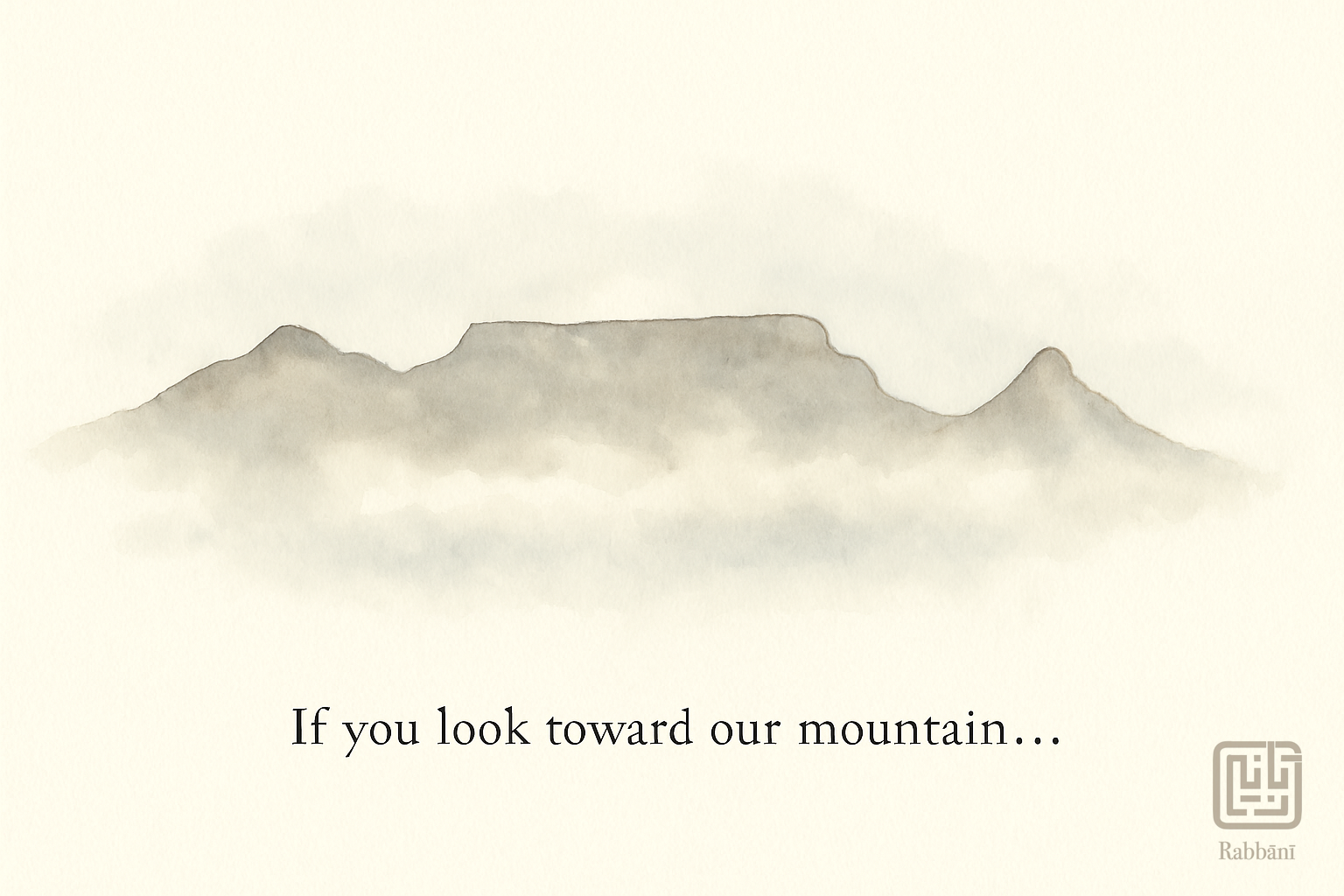
    If you look toward our mountain — Table Mountain —
    you’ll see the cloth of cloud spread across its top like a table set for guests.
    To the right: the lion, his back forming Signal Hill, his mane rising into Lion’s Head.
    To the left: Devil’s Peak, brooding.
    The lion and the devil seated at the same table.
    What a sight for any ship entering Table Bay!

    But this story is older than the ships.
    Older than the settlers who named those peaks.
    Older even than the first Khoi and San who walked these lands.

    Long, long ago — perhaps 22,000 years or more —
    the people lived far inland.
    The land was green. Rivers ran deep.
    Wild animals moved in herds like shadows.
    The earth was generous.

    But then the rains lessened.
    The land grew hotter, harder.
    Some clans became violent.
    The world was shifting.

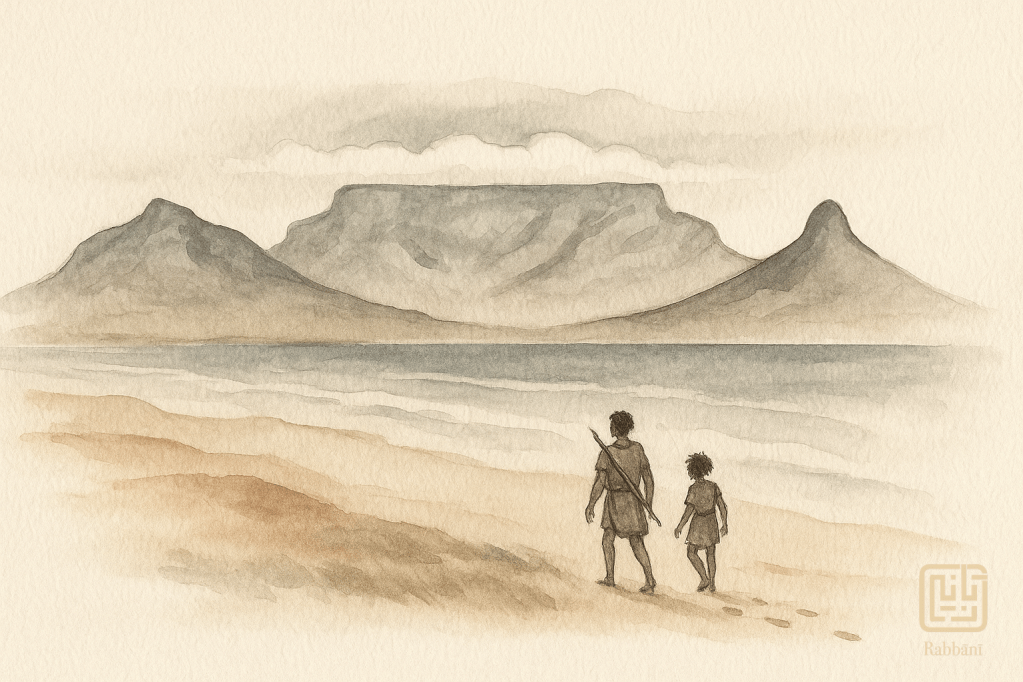
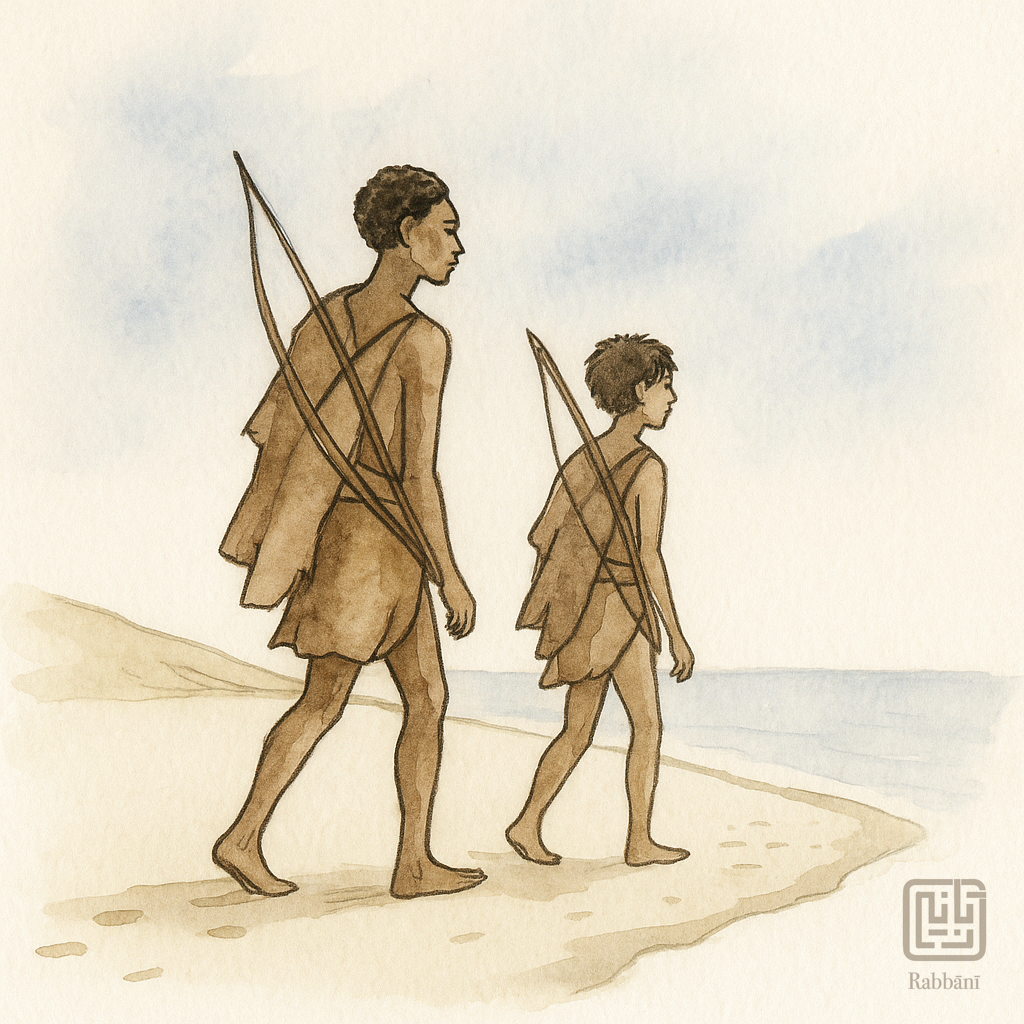
    And so it was that a man named Gubi — a fire-maker, a spark of a man —
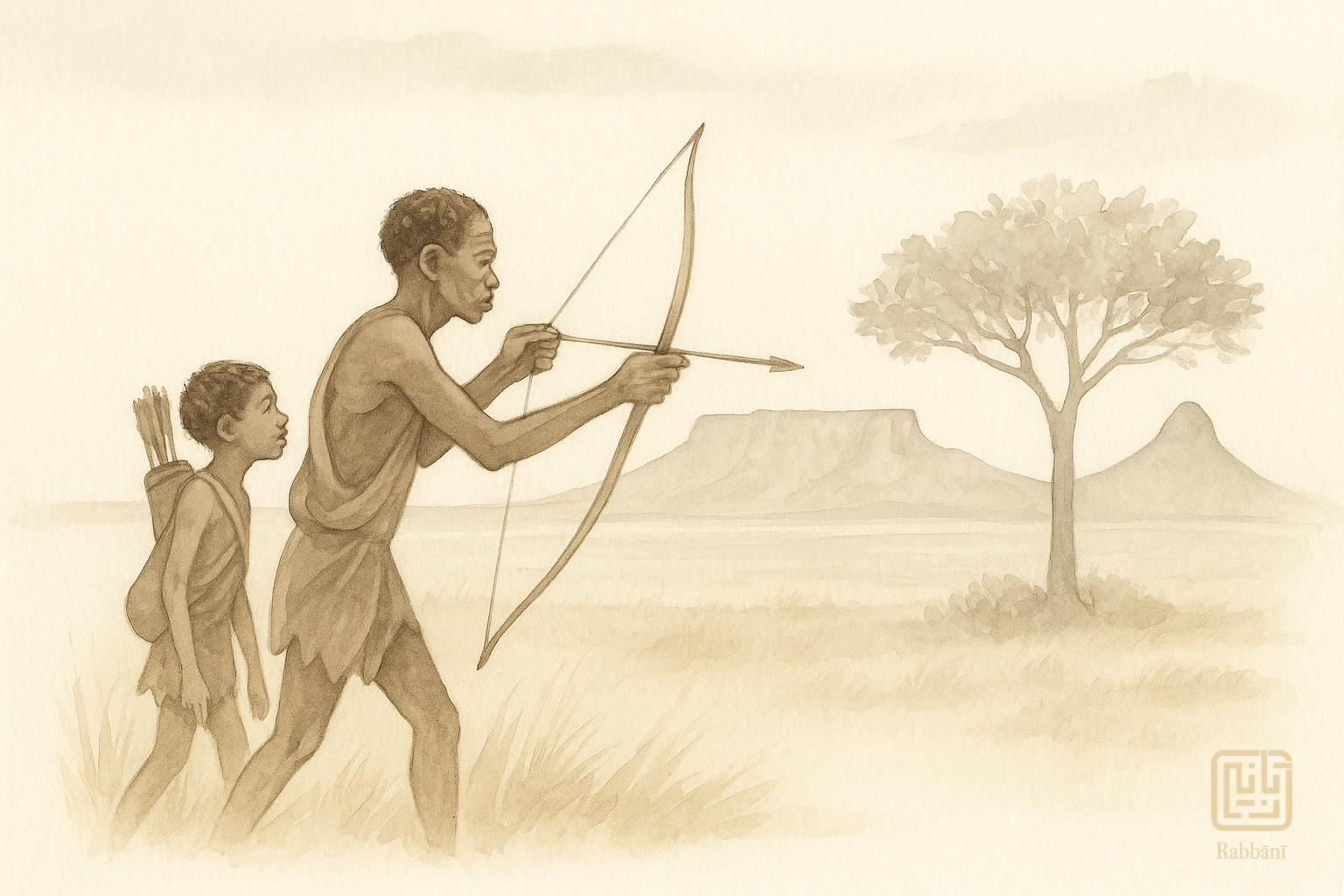
    took his young son, Nori, and journeyed south along the Atlantic edge.
    Not fleeing.
    Seeking.

    Their goods were wrapped in leather.
    Their bows slung across their backs.
    They followed the cold sea winds,
    walking toward a dream of sanctuary.

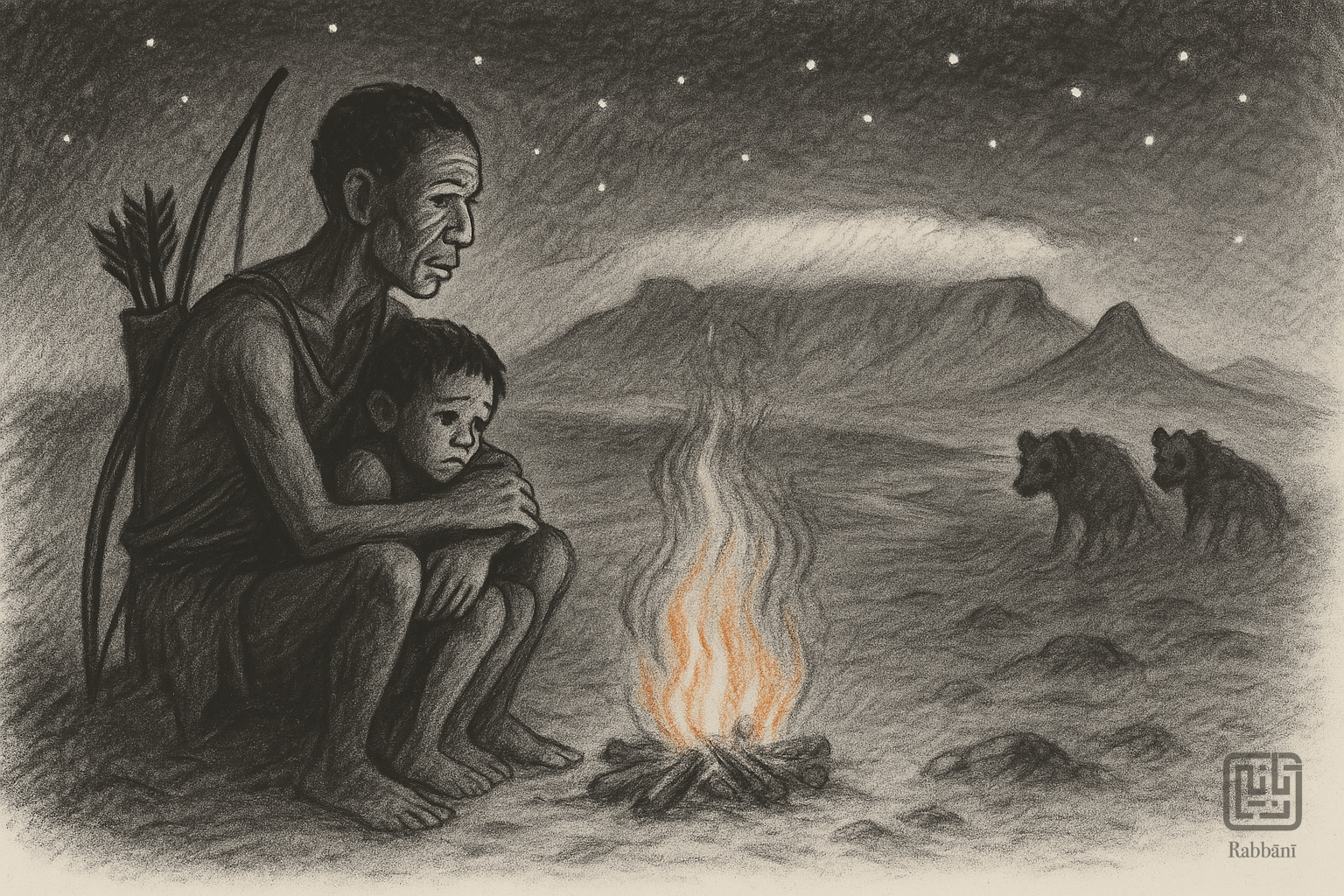
    One night, as their fire danced in the dunes,
    hyenas came snarling through the dark — hunting porcupines.
    Gubi rose with fire in hand, casting its light wide,
    pushing the predators back into the night.

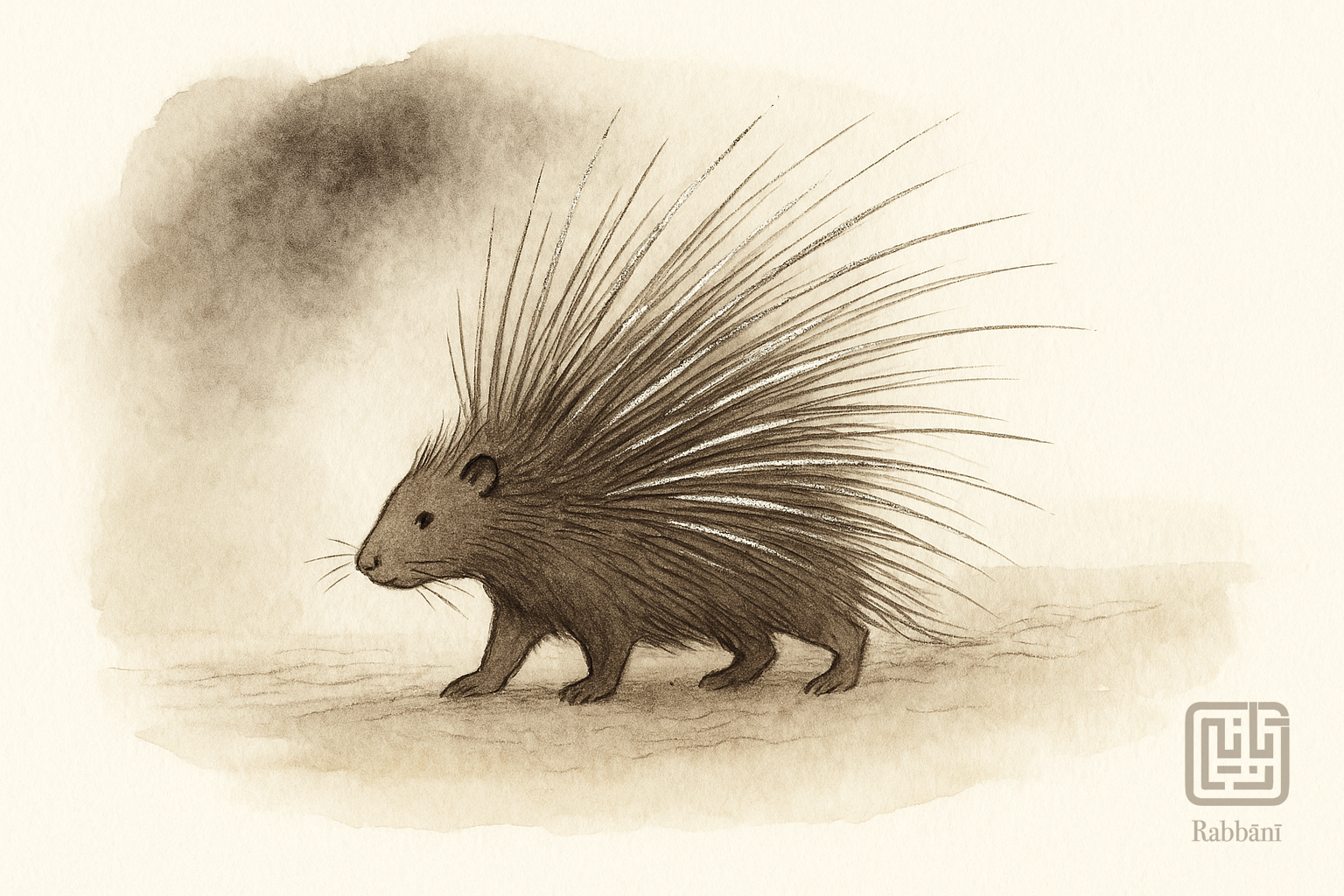
    From the shadows came a porcupine.
    But this was no ordinary porcupine.
    She was old — a sage — her quills silver with wisdom.
    She stepped forward and spoke in a voice like rustling leaves:

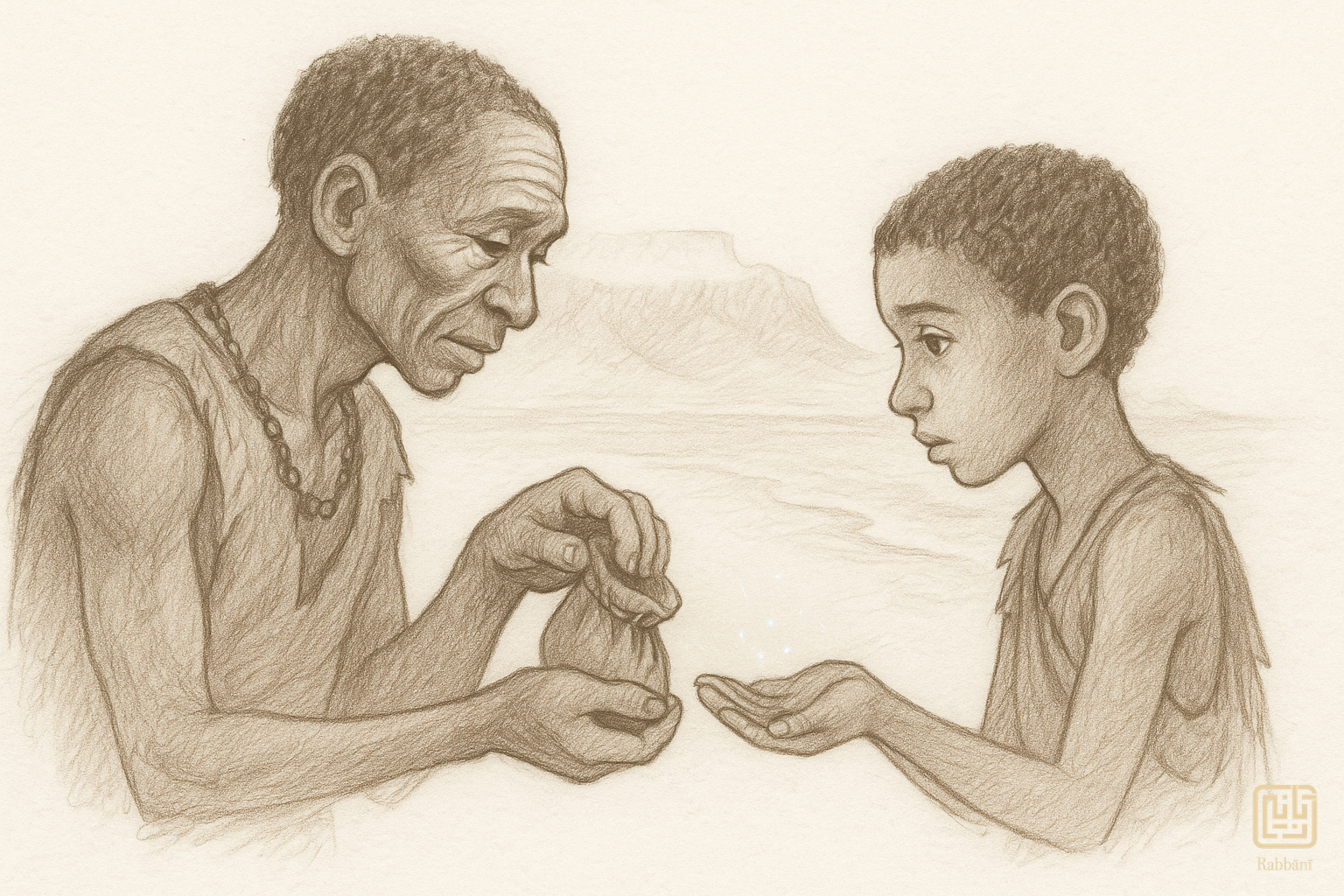
    “You have shown courage and care.
    For this, I give you a pouch.”

    Inside: a handful of shimmering seeds —
    soft, silver-tipped, unlike anything they had seen.

    She said:
    “As you walk,
    look for the place where the sea makes clouds.
    When you find it, plant these.
    If they grow, you’ll know: this is your place.”

    And so they walked on.

    And when they reached the foot of the mountain —
    flat, cloud-veiled, vast —
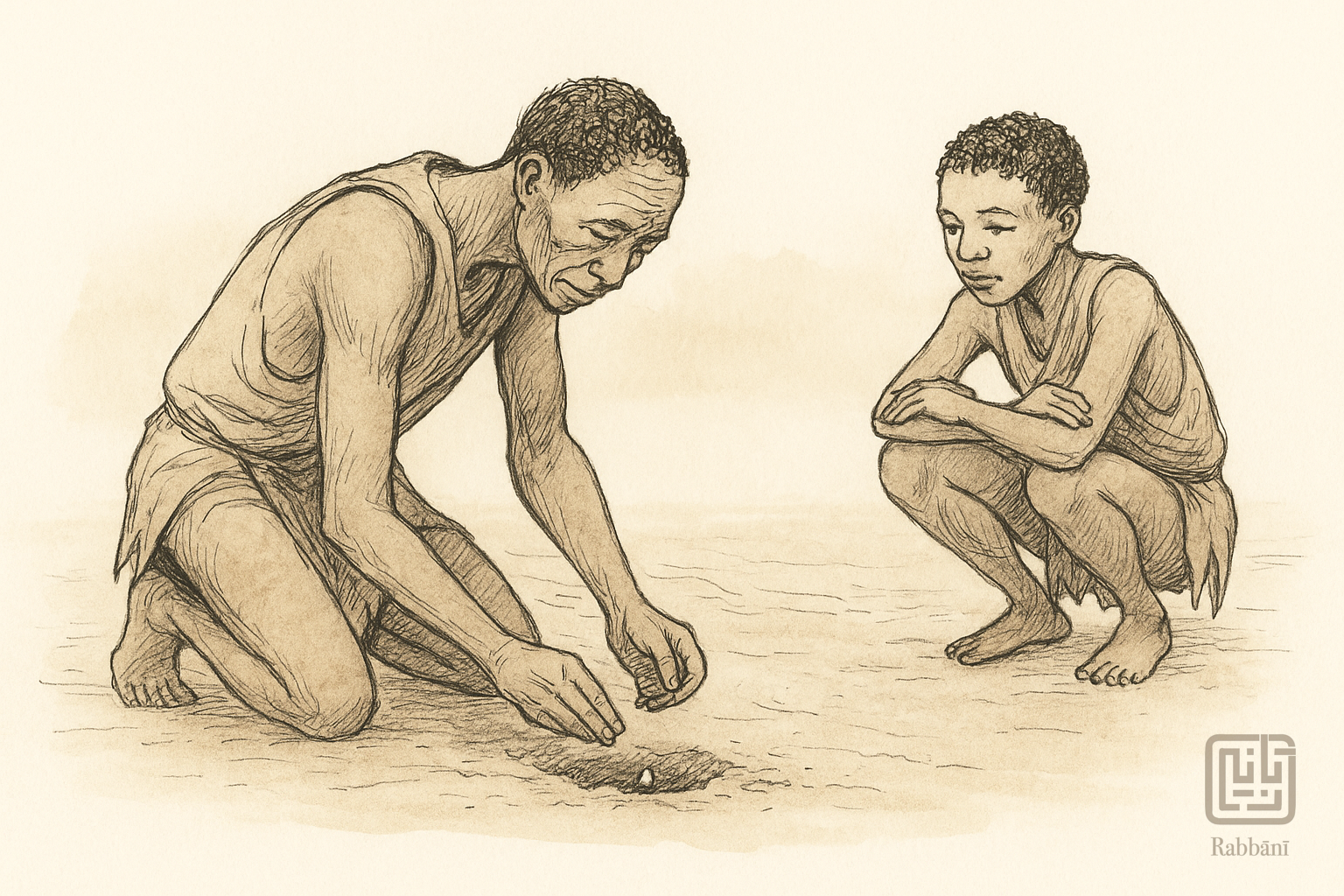
    Gubi and Nori felt the truth of it in their bones.

    They planted the seeds.

    And by dawn, the Silver Trees had begun to rise —
    shimmering, breathing, alive.

    Not just plants.
    A blessing.

    And that is how the Silver Tree — found only here —
    came to live beneath Table Mountain.
    Not brought by botanists.
    Not named by settlers.
    But gifted by a porcupine,
    Planted by Gubi and Nori,
    Rooted in fire, story, and seed.

    And when the rains came,
    those Silver Trees
    drank from the river
    that flowed down the mountain —
    the one they called Camissa
    the place of sweet waters,
    rushing underground, murmuring toward the sea.

    Even now, that river runs — quietly —
    beneath the city that forgot it.
    But the mountain remembers.

    It remembers its own name.

    Not Table.
    But Hoerikwaggo — the Mountain of the Sea.
    To its right, the curled-back hill they once called The Sleeping Lion
    its back arched into what settlers would name Signal Hill,
    its mane rising into Lion’s Head.
    To the left, the shadowed one —
    once called Windmaker’s Watch,
    now called Devil’s Peak.

    The land is older than its names.
    And stories, like rivers, find their way back.


    Epilogue

    Some stories are planted, not written.
    They take root in silence.
    They grow in the shade of memory.

    This is one of those.

    Passed from mother to daughter, from father to son,
    from fire-circle to ear, from silence to word.

    The Silver Tree still stands.
    The mountain still watches.
    And somewhere, Gubi and Nori are still walking —
    between cloud and coast,
    between the land’s longing and the sky’s answer.

    So tell this story again.

    When the mountain is misted,
    when the wind shifts,
    when the child beside you asks,
    “Where did we come from?”
    Tell them…

    “Let me tell you the story of Gubi and Nori —
    the spark and the seeker —
    and the tree that shimmered with yes.”


    Postscript

    This story is told in honour of those who remind us that memory is a form of resistance.

    We acknowledge Patric Tariq Mellet, whose book The Camissa Embrace reclaims the deep currents beneath colonial erasure. Through his work, Camissa is no longer hidden — it is remembered as a place of sweet waters, of creolised identity, of sacred convergence.

    We also draw from Stuart Hall, particularly The Fateful Triangle: Race, Ethnicity, Nation, which reminds us that nations are not simply born — they are narrated into being.
    To say I am from Camissa is to resist imposed categories and to speak from the riverbed of relation — to narrate the nation otherwise.

    This reflection flows alongside the companion essay:

    → A Word That Wounds and Wakes Us: Rethinking “Coloured” in the Age of Memory
    which wrestles with the term “Coloured” — its violence, its survival, and the sacred dye of remembrance:
    ṣibghah Allāh — the Colour of God (Qur’an 2:138).

    🌿 Author’s Note

    I wrote this story in honour of a voice passed through many generations — from my mother, to her mother, and beyond. It weaves ancestral memory with imagination, drawing from the wisdom of our lands, our rivers, and our people.

    Gubi and Nori may be characters in legend, but they carry something real: the spirit of all those who walked before names, who travelled with seeds, and who listened deeply to the mountain’s silence.

    I offer this story as a small act of remembering — a quiet prayer that memory may once again run like water beneath the city.

    – Adli Yacubi
    Writer. Listener. Wordsmith of the Sweet Waters.