Category: Philosophy

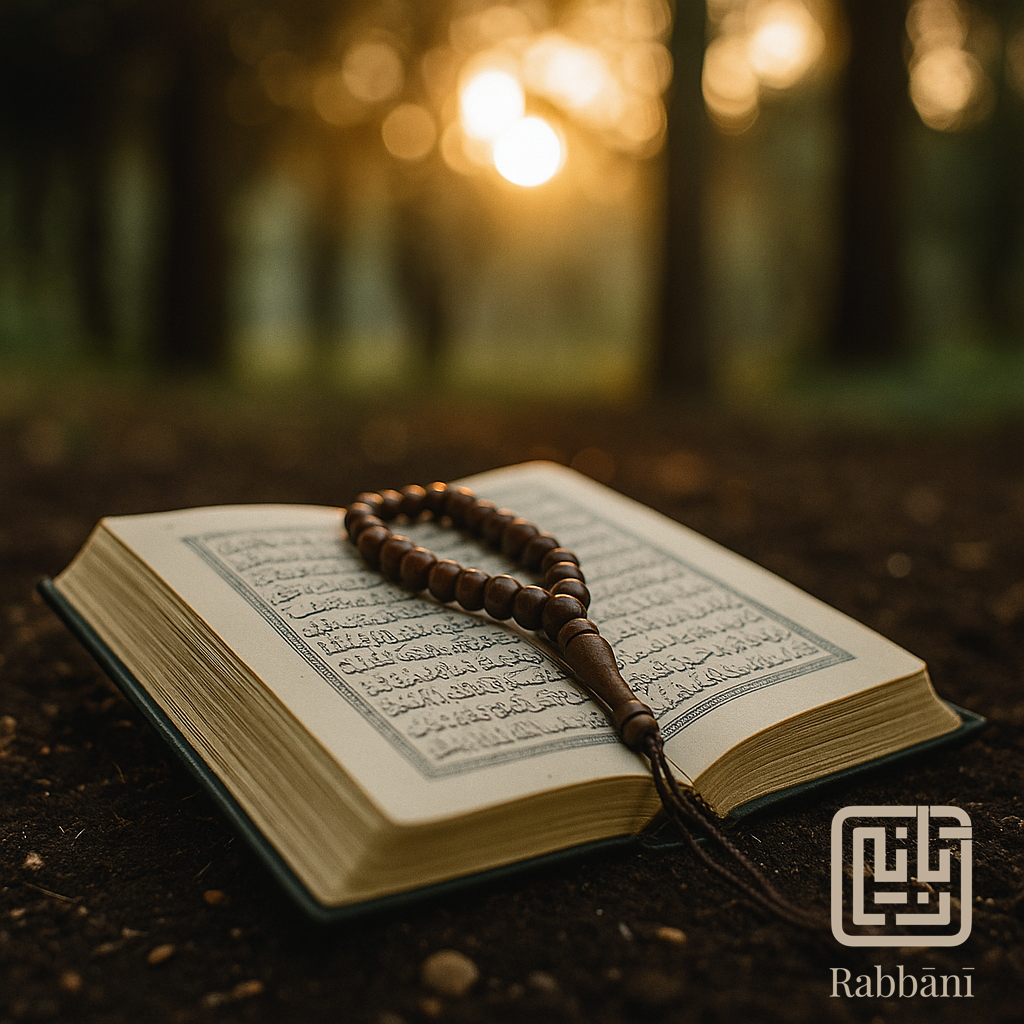
  • The Good Word as a Good Tree

    The Good Word as a Good Tree

    The Good Word as a Good Tree

    Planting knowledge, remembrance, and companionship in the soil of hearts
    It began not with my own notes, but with a gift.
    A reflection carried to me from a dars (lesson) of Shaykh Allie Khalfe — may Allah preserve him — through the words of his student, Masooda. What reached me was not information but suḥba (companionship in transmission). It felt as if a branch had been placed in my hand, living and fragrant.

    The dars turned on Imam Sharani’s text. At its close, the author prayed for the one who writes, the one who conveys, and the one who listens — sketching in that duʿāʾ (supplication) the hidden architecture of ijāzah (authorisation). Knowledge is never solitary. It requires scribe, voice, and ear.

    When the names of the ʿulamāʾ (scholars) in the sanad (chain of transmission) were recited, it was like witnesses at a nikāh (marriage contract): a chain of trust sealed with al-Fātiḥa (the Opening chapter of the Qur’an) and ṣalawāt (prayers upon the Prophet ﷺ). Not formality, but a bond.

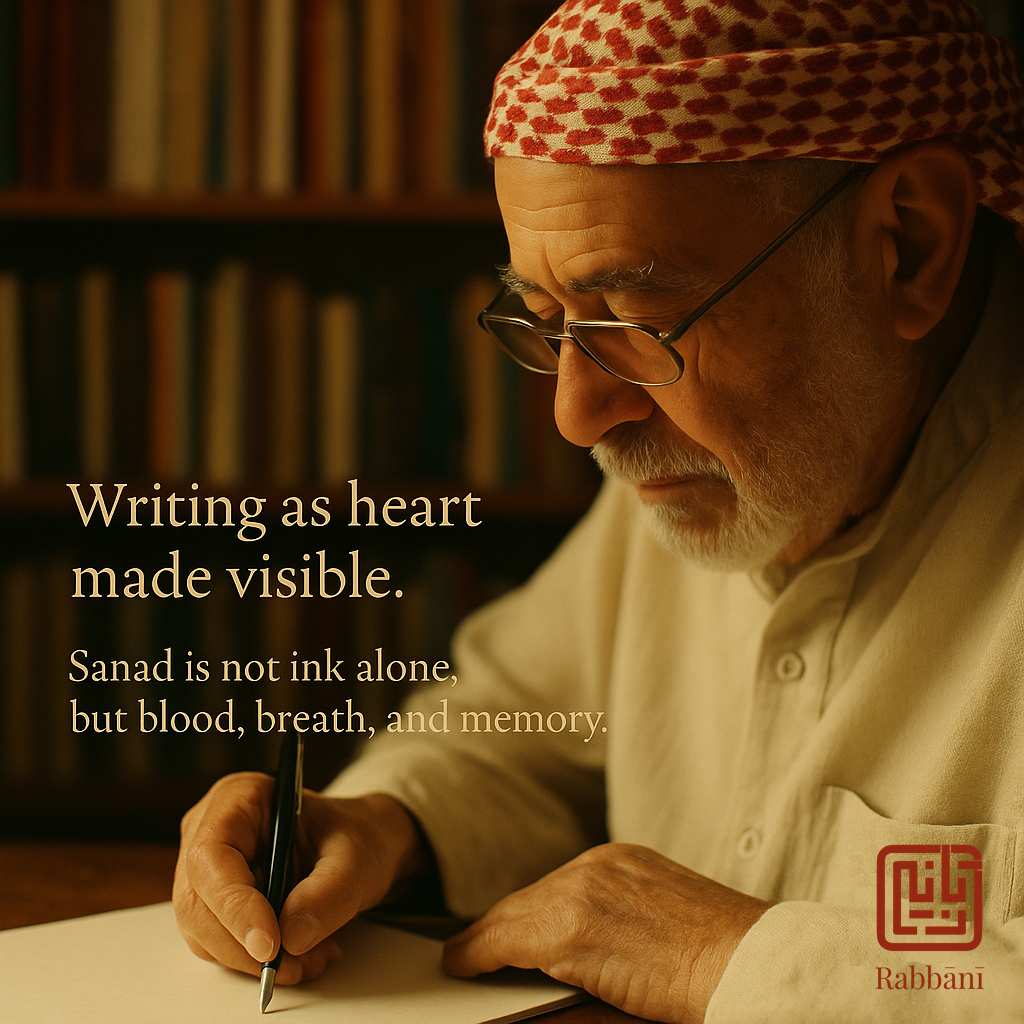
    And then, a detail that stills me: the Shaykh reminded that the index finger carries a vein to the heart. The same finger that cradles the pen. Writing, then, is not merely ink — it is the heart made visible.

    This is adab as-suḥba — the courtesy of companionship. Sometimes a verse must be allowed to enter and sit in the heart until it ripens into fruit. Its meaning multiplies.


    A Good Word, A Good Tree

    The Qur’an says:
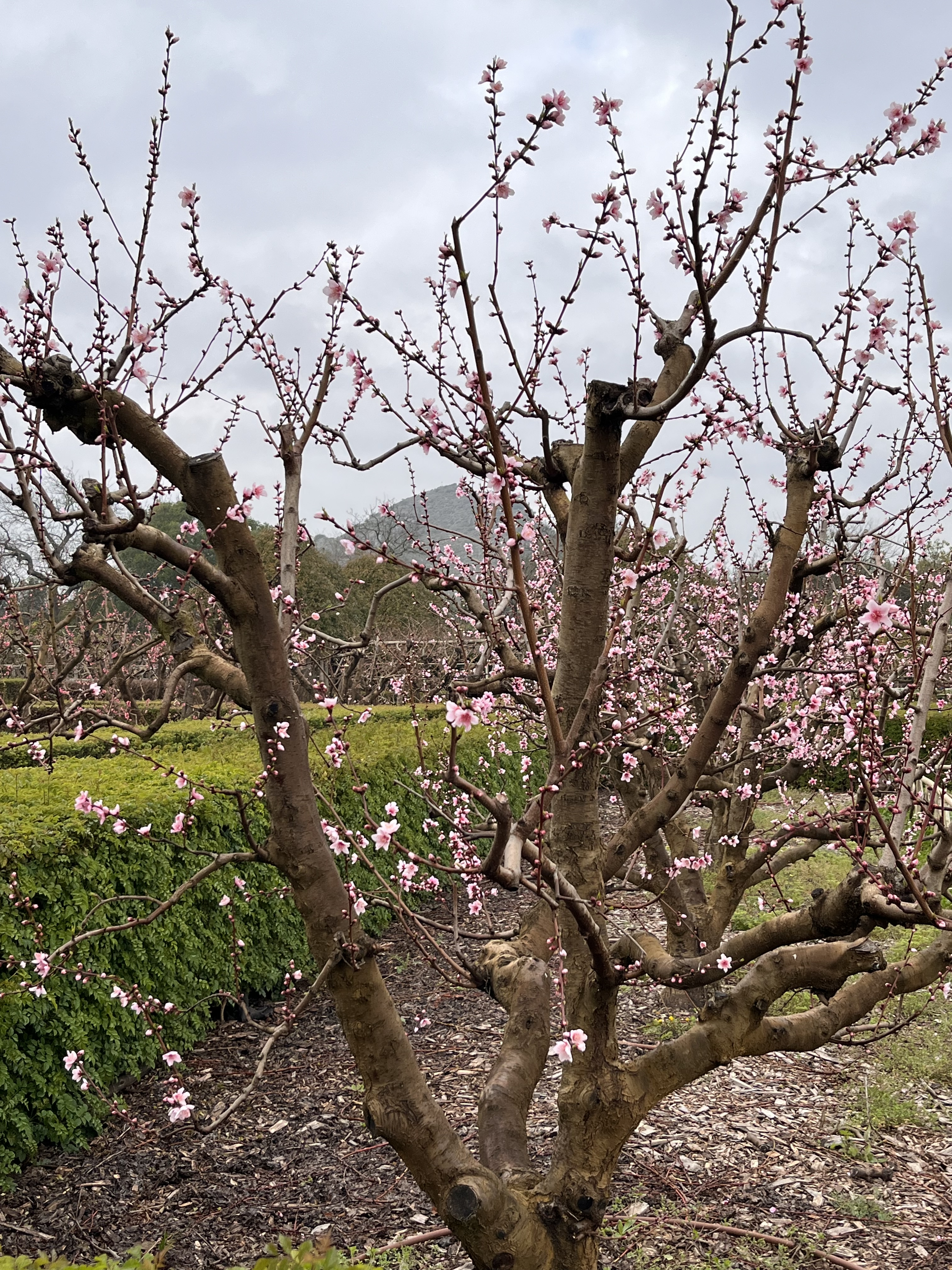
    “A good word is like a good tree whose root is firmly fixed, and whose branches reach the heavens. It gives its fruit at all times, by the permission of its Lord.” (Ibrāhīm 14:24–25).

    Masooda spoke of how the verse itself visited her — once even on a screen in Ramadan, tugging her heart like a breeze that compelled her to sit and drink from it. She returned to it again and again, until its shade and fruit became part of her.

    This is the work of suḥbadhikr (remembrance), and ʿilm (knowledge) braided together: soil, water, sun. Good words are nourishment, shelter, and fruit. They live beyond their first moment, feeding others long after.

    Oceans Without Shore

    “If all the trees on earth were pens, and the ocean were ink, refilled by seven more oceans, still the Words of Allah would not be exhausted.” (Luqmān 31:27).

    The tree becomes pen, the ocean becomes ink — and still it is not enough. Knowledge is boundless, and our writing, reading, and speaking are only drops.

    Ijāzah is like a rope stretched across generations, so we are not stranded with only our nafs (ego-self) in shallow waters. The sanad becomes a coastline, teacher to student, name to name, heart to heart. Waves advance, pens move, yet the ink of Allah’s words runs deeper than we can fathom.

    Bonsai, Hidden Garments, Generational Love

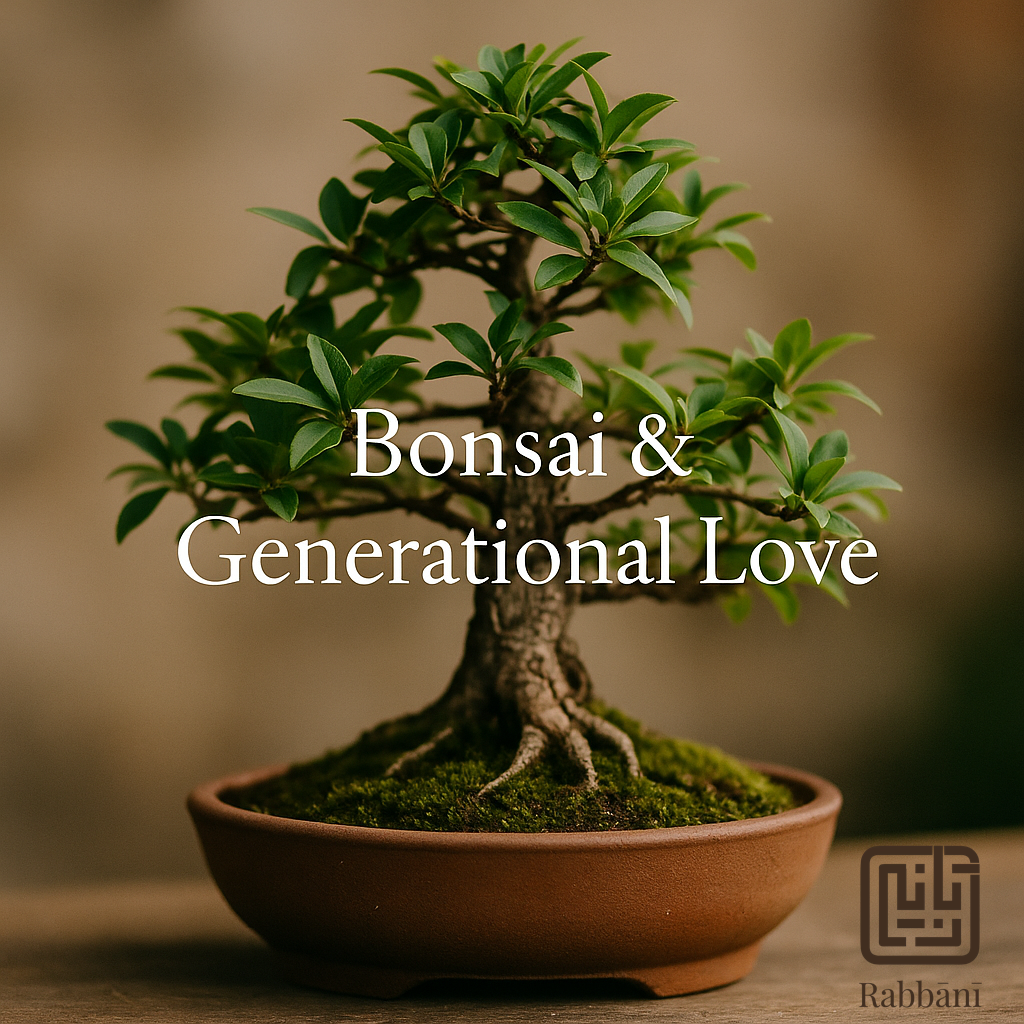
    Not all transmission is vast like oceans or towering like trees. Some is slow and deliberate, like a bonsai — carefully pruned, shaped across years, carrying endurance in its smallness. Generational love can be like this: cut back, tended carefully, yet still alive.

    Charity is like a hidden garment — a warmth felt but not displayed. And the link to Allah is direct, unmediated, suḥbawith the Real.

    Because we began in a garden, we will return to it. To remain a child in the garden — curious, open, growing — is the secret of maturity.

    The Farm with a Heart

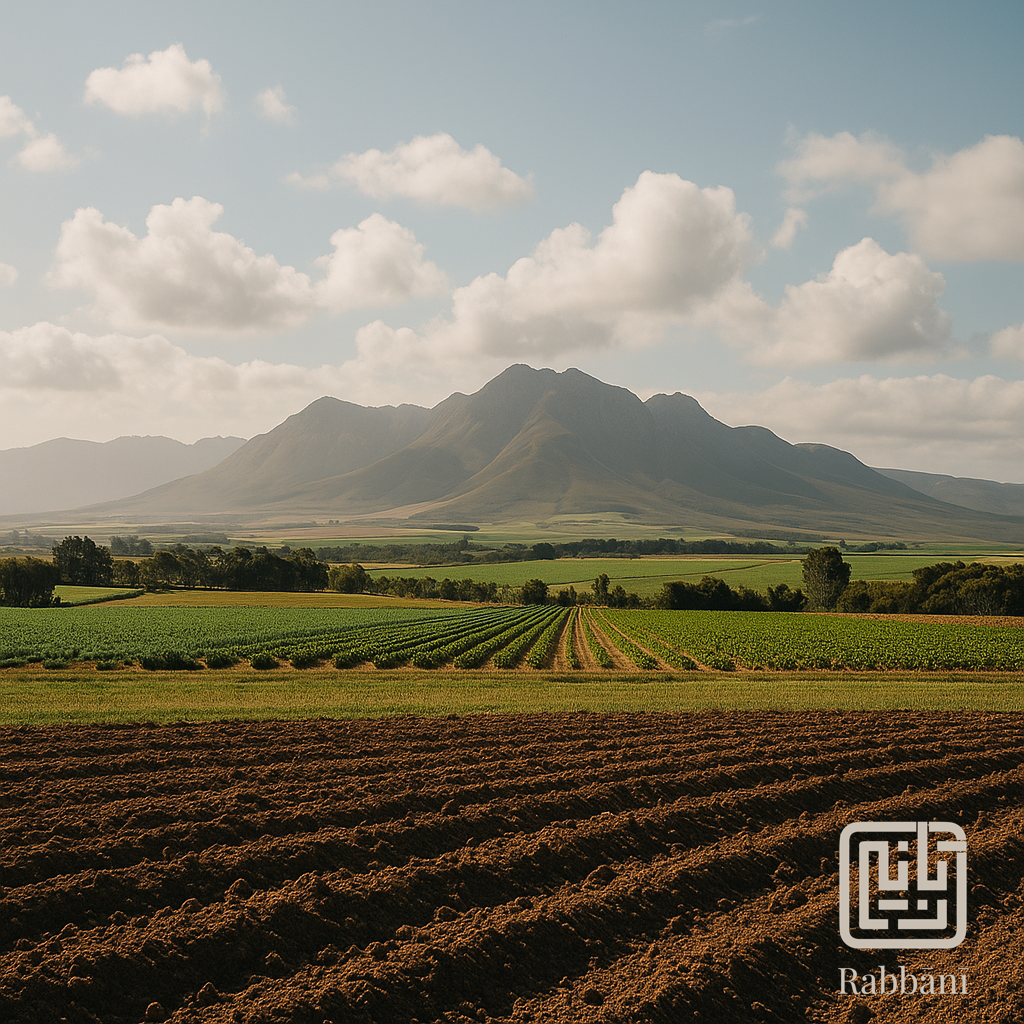
    The land itself was described as a body. One farm to another, the same anatomy: if the brain is sound, the farm is sound. And deeper still, the heart of the farm. It was as though I was hearing the ḥadīth: “Verily, in the body there is a piece of flesh; if it is sound, the whole body is sound. If it is corrupted, the whole body is corrupted. Verily, it is the heart.”

    The farm is a mirror of us, and we are mirrors of the farm. Soil, water, mind, heart — they rise and fall together.

    And another secret: beautiful people are hidden from the world, like seeds in soil waiting to rise. Their signs are etched into the land, into quiet generosity, into living Qur’an carried in silence. Who would have thought that on the first colonial farm one might hear Qur’an spoken back by the soil, the wind, the hidden awliyāʾ (friends of God)?

    Hidden people, hidden farms, hidden saints — Allah scatters them where we least expect.

    Fire and Blossom

    Here the Cape flora speaks:

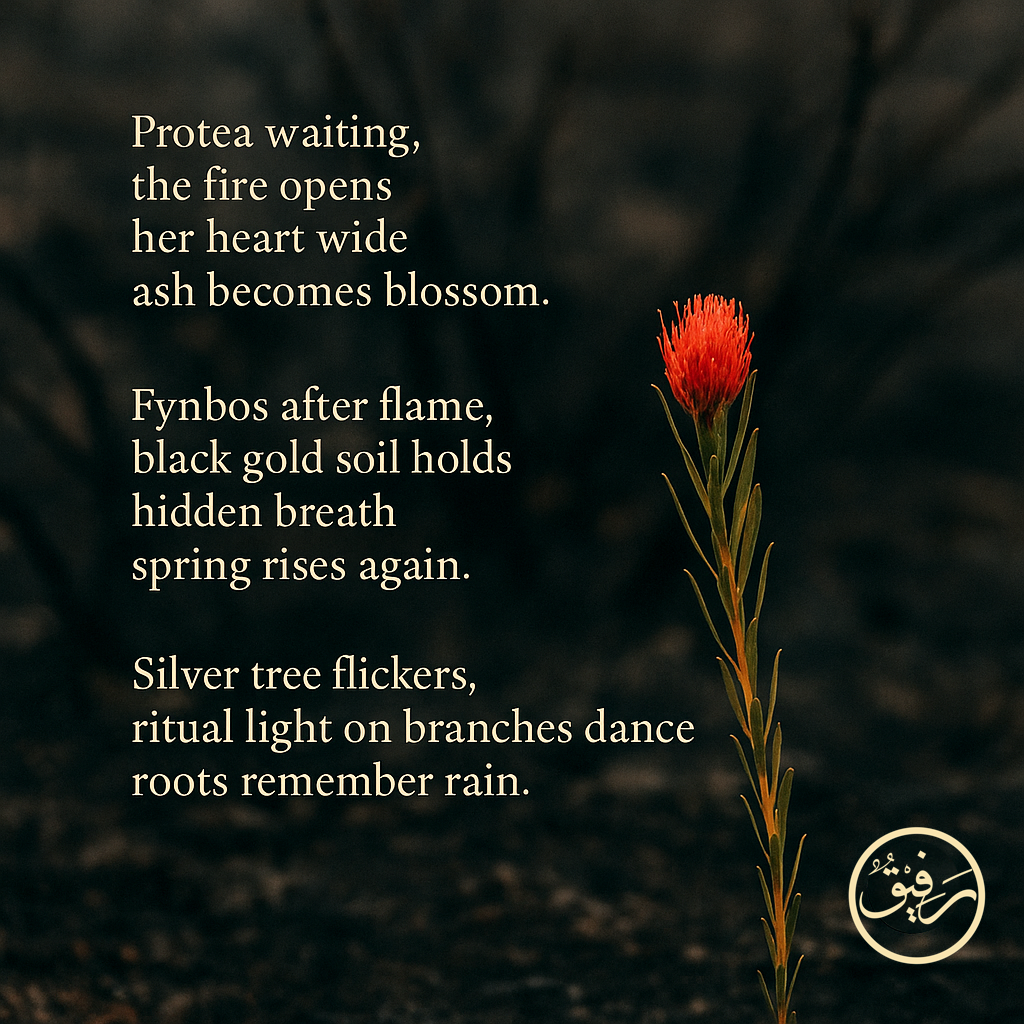
    Protea waiting,
    the fire opens her heart wide,
    ash becomes blossom.

    So too is the heart. Fire opens what is hidden; patience reveals what is promised.

    Dhikr as Greater

    All of this — sanadsuḥba, ʿilm, trees, oceans, farms, blossoms — is gathered by one thread: dhikr.

    “Wa la dhikrullāhi akbar” — “And the remembrance of Allah is greater, without a doubt.” (ʿAnkabūt 29:45).

    Greater than what? Greater than the fire that tests the protea, greater than the nafs that bends the farm, greater than even the words we speak when they are empty of Him. Dhikr transforms knowledge into light, suḥba into companionship, trees into nourishment, oceans into signs without end.

    And yet dhikr is even wider than many of us think. It is not only on the tongue, in recitation or chanting. It is also in the body: in breath, in muscle, in tendon, in presence, in stillness. It is kindness, humility, love, and community — whether Muslim, Christian, or Buddhist — meeting each other in harmony and poise.

    This too is dhikr. Treasures we must preserve with care, if we wish to remain bridges to safety.

    Because we began in a garden, we will return to it. The good word remains a good tree. The ocean remains ink that cannot be exhausted. And remembrance — dhikrullāh — is greater than them all.

    Postscript

    There are words from the poet Shabbir Banoobhai that linger here — like water poured into an empty cup, still teaching us what thirst means:

    wisdom in a jug
    an empty cup
    you said
    pour till it’s full

    i tried and tried
    finally sighed
    and said
    it’s empty still

    These lines feel like the secret of suhba itself: to never be satisfied with one sip, to know the thirst itself is part of the gift.


    Acknowledgement

    With gratitude to Shaykh Allie Khalfe, whose dars planted these roots, and to his student Masooda Fadal, who shared these reflections and passed on their fragrance.


    Glossary of Terms

    • uḥba (صُحبة) — Companionship; keeping company with teachers, friends, or the Divine. In Sufi tradition: the courtesy of companionship (adab as-suḥba).
    • Sanad (سند) — A chain of transmission linking teachers and students across generations.
    • Ijāzah (إجازة) — Authorisation or license to transmit a text or knowledge, usually granted by a teacher to a student.
    • ʿUlamāʾ (علماء) — Scholars of Islam; those learned in the sciences of religion.
    • Nikāh (نكاح) — Marriage contract.
    • Al-Fātiḥa (الفاتحة) — “The Opening,” the first chapter of the Qur’an, often recited in prayer and blessings.
    • Ṣalawāt (صلوات) — Prayers and blessings upon the Prophet Muhammad ﷺ.
    • Dhikr (ذكر) — Remembrance of Allah; includes recitation, prayer, and also presence, breath, stillness, and actions of kindness.
    • Nafs (نفس) — The self or ego; the inner self that inclines to desire, distraction, or pride.
    • Awliyāʾ (أولياء) — “Friends of God”; saints, those close to Allah through devotion and purity of heart.
  • Our Inheritance: The African and Islamic Civilisations That Shaped the World

    Our Inheritance: The African and Islamic Civilisations That Shaped the World

    Our Inheritance: The African and Islamic Civilisations That Shaped the World

    Our Inheritance: The African and Islamic Civilisations That Shaped the World

    “We don’t just have history. We have receipts.” — Yaw Kissi

    For generations, our textbooks — even in Islamic schools — handed down a version of history in which Europe alone was cast as the cradle of civilisation, and Africa into darkness. This colonial retelling stripped countless people of their confidence and belonging.

    As Shaykh Allie Khalfe insightfully reminds us, even the academic traditions we take for granted — like graduation caps and gowns — trace back to the Islamic ijāzah system, where a teacher would bestow a turban and robe upon a student to mark their mastery.

    Europe adopted these symbols while erasing their origins.
    But today, the veils are lifting.
    And as African memory resurfaces — in scrolls, dreams, and digitised manuscripts — we realise something essential:

    We don’t just have history. We have receipts.

    Mathematics and Science

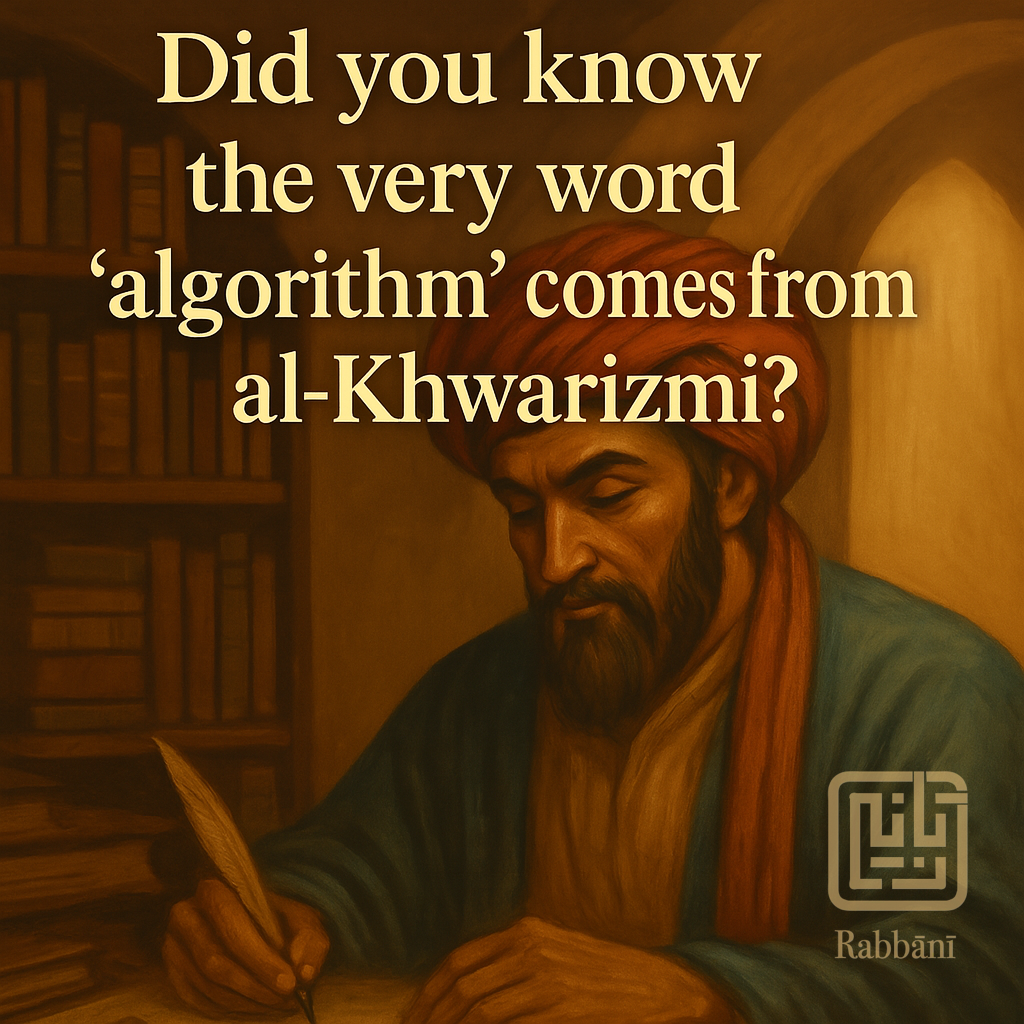
    Consider al-jabr, or algebra — a foundational pillar of modern science, engineering, and finance. Muhammad ibn Musa al-Khwarizmi, working in 9th-century Baghdad, formalised its rules, giving his name to the word algorithm — the very basis of every modern computer. His systematic approach to equations transformed the world.

    In medicine, Ibn Sina (Avicenna) produced the Canon of Medicine, a monumental text synthesising anatomy, treatments, and psychology, taught across Europe for over 600 years. Abu al-Qasim al-Zahrawi (Albucasis) in Andalusia created a 30-volume encyclopedia on surgical techniques, designing more than 200 surgical instruments that still influence modern practice.

    Ibn al-Haytham (Alhazen), known as the “father of optics,” shattered ancient Greek theories by proving that light enters the eye to produce vision, and he introduced experimental methods that would inspire Europe’s later scientific revolutions. These figures were not footnotes in history — they were its authors.


    Astronomy and Navigation

    Muslim astronomers transformed the night sky into a navigational map, extending humanity’s reach across oceans and deserts. They refined Greek, Persian, and Indian observations and built on them with powerful new instruments and methods.

    Al-Zarqali (Arzachel) of 11th-century Toledo developed the Toledo Tables — astronomical data so precise they became a cornerstone for European science, inspiring Copernicus and others. His universal astrolabe could be used at any latitude, freeing navigation from local constraints.

    Mariam al-Asturlabi, a 10th-century woman scientist in Aleppo, constructed exquisitely precise astrolabes, allowing people to determine prayer times, measure the positions of stars, and navigate across continents. These tools formed the backbone of Muslim maritime routes linking East Africa, Arabia, and South Asia — centuries before Europe was ready to cross the Atlantic.

    It is no exaggeration to say that the so-called Age of Discovery — Columbus, da Gama, Magellan — was made possible through navigational science and star charts inherited from the Muslim world. Yet most schoolbooks erase these global contributions.


    Education and Intellectual Institutions

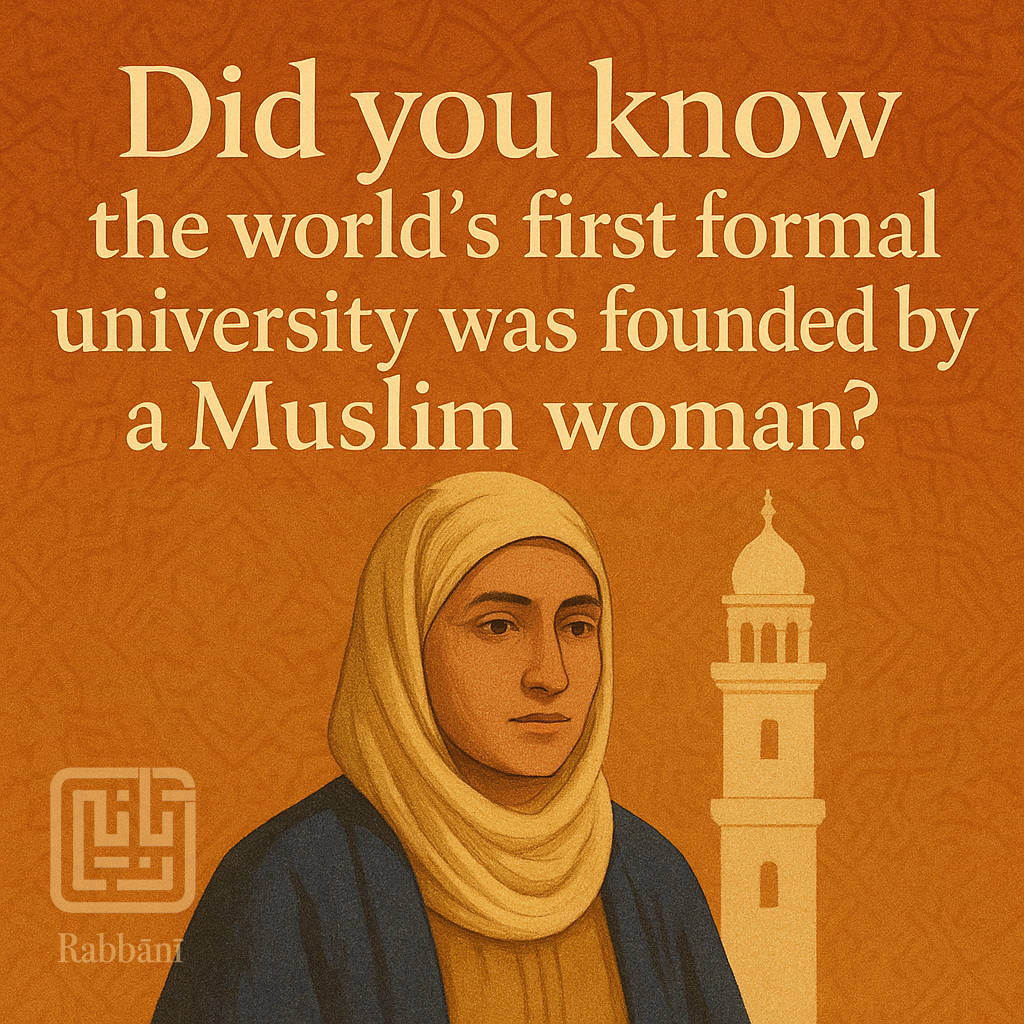
    Muslim civilisation revolutionised education by designing institutions that united spiritual, legal, and scientific learning. Fatima al-Fihri, a Muslim woman in Morocco, founded the University of al-Qarawiyyin in 859 CE, the world’s oldest continually operating degree-granting institution. Her legacy shows how women helped sustain and fund educational excellence.

    In West Africa, Ahmed Baba of Timbuktu, who authored more than 40 books on law, biography, and ethics, embodied the intellectual brilliance that made Timbuktu as respected as any European centre of learning. Even when Moroccan invaders exiled him to Marrakesh, his scholarship commanded respect, and he eventually returned to revive Timbuktu’s traditions.

    Equally inspiring, Nana Asma’u of 19th-century Nigeria trained networks of female educators (yan-taru) and wrote poetry and theology in Arabic, Hausa, and Fulfulde, extending literacy and spiritual knowledge throughout the Sokoto Caliphate.

    These institutions offered far more than theology: their curricula included medicine, astronomy, mathematics, grammar, and philosophy, attracting scholars from across Africa, the Middle East, and even Europe. They were open, cosmopolitan spaces that nurtured critical thinking and diversity, centuries before Europe’s universities caught up.


    Art, Culture, and Daily Life

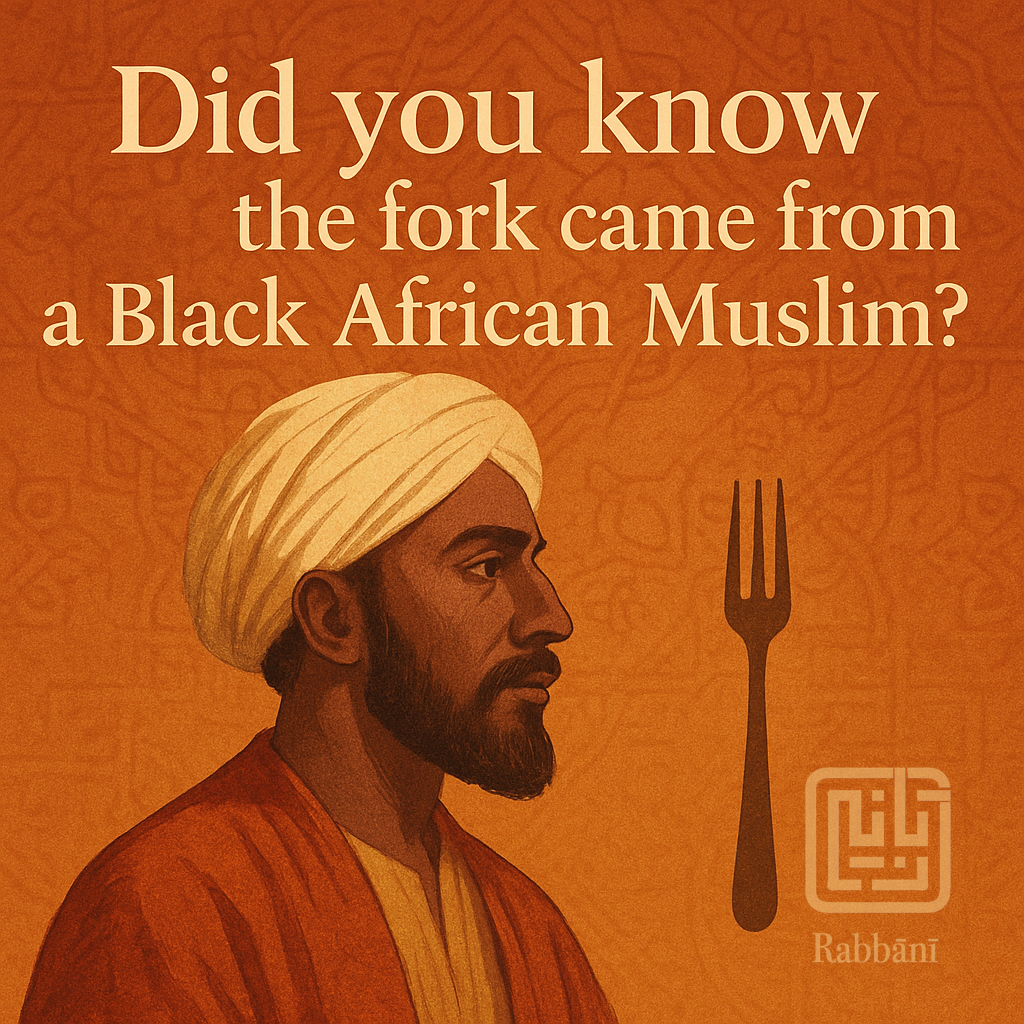
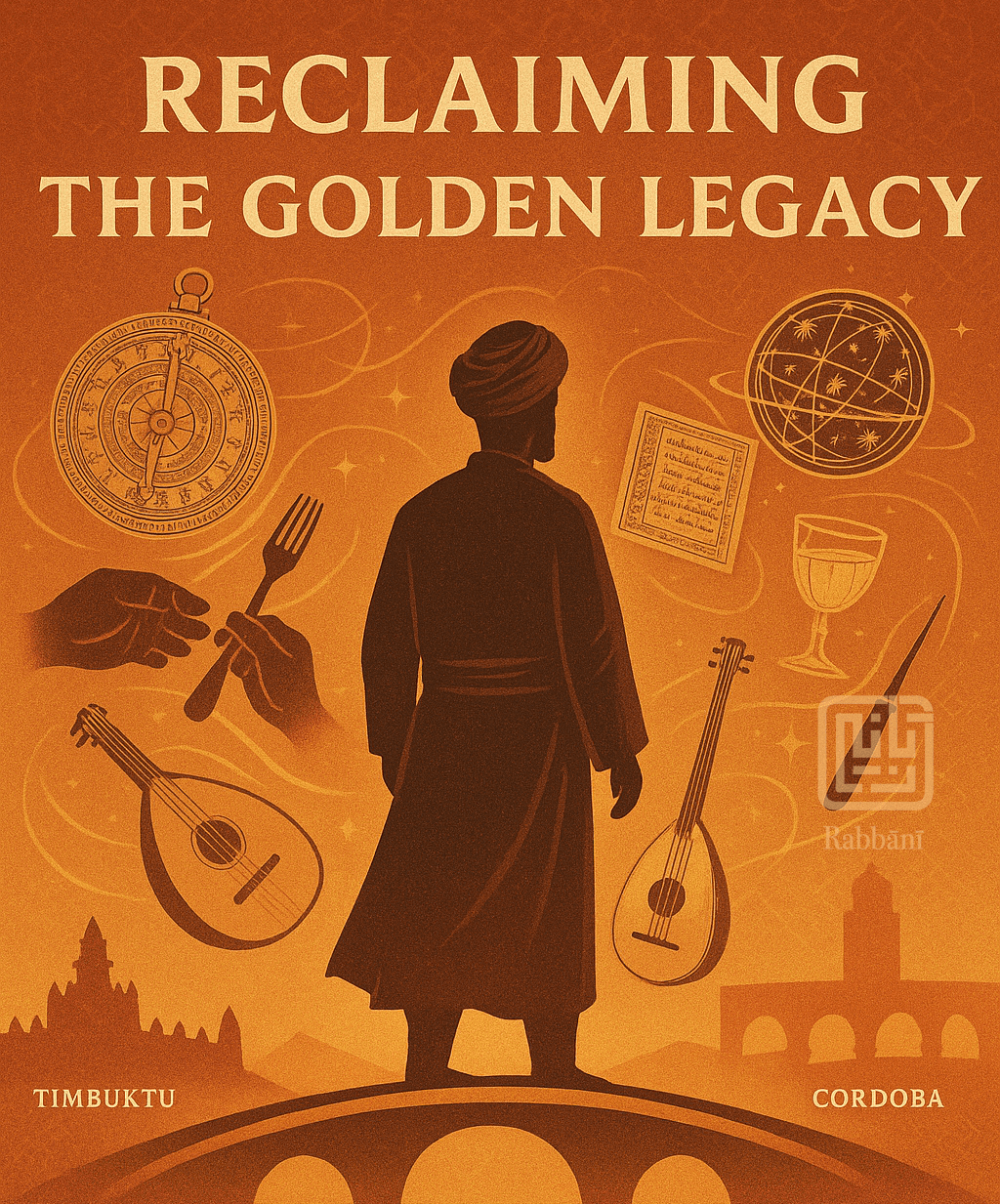
    Perhaps nowhere was cultural brilliance more visible than in the story of Abu l-Hasan ʿAli Ibn Nafiʿ — known as Ziryab, the ‘Black Bird’. Born to a family who had been enslaved, most likely of Black African descent, Ziryab arrived in Cordoba in the 9th century and redefined taste itself. He expanded musical scales, added a fifth string to the oud, and established a structured method of teaching music that would echo through Europe for centuries.

    “The fork, now held up as the badge of ‘civilisation,’ was popularised in Europe by a Black African Muslim.”
    — from the section on Ziryab

    “They weren’t relics. They were receipts.”
    — on the Timbuktu manuscripts

    He also transformed daily life by introducing crystal drinking vessels, organising meals into separate courses, encouraging regular hygiene, designing seasonal wardrobes, and even popularising the small two-pronged fork for delicate foods — centuries before Europe claimed it as its own. That fork would eventually spread across France and the continent, yet no one credited its origins.

    In today’s world, where politicians shame people like Zohran Mamdani for eating with their hands, there is a profound irony: the fork, now held up as the badge of “civilisation,” was popularised in Europe by a Black African Muslim.


    A Note on Eating With the Hand

    The uproar over Zohran Mamdani’s video of eating rice with his hands shows how colonial thinking still lingers. Across Africa, India, and the Arab world, eating with the hand is rooted in ancient tradition, mindfulness, and even spiritual symbolism — linking the five fingers to the five elements of nature.

    Western colonisers once labelled this practice “uncivilised,” forgetting that their prized utensil, the fork, came into European culture through Ziryab’s refined innovations. France and other parts of Europe embraced the fork over centuries, yet rarely acknowledged its roots.

    As Shaykh Allie Khalfe wisely reminds us, the problem is not about etiquette, but about power, prejudice, and historical amnesia — a colonial hierarchy that still tries to shame non-European cultures while quietly living on their forgotten innovations.


    Conclusion

    The Golden Age of Africa and Islam was never lost — it was hidden, buried beneath centuries of colonial arrogance, racism, and cultural erasure. From the hospitals of Cairo to the libraries of Timbuktu, from the universities of Fez to the concert halls of Cordoba, from the Grand Library of Baghdad — Bayt al-Ḥikmah — to the scholars who charted the stars, our ancestors nurtured a world of knowledge, beauty, and moral excellence that still resonates today.

    These contributions were not accidental: they were born of a civilisation that valued intellectual curiosity, hospitality, faith, and human dignity. In their pursuit of learning, these scholars and visionaries created bridges between continents and cultures, carrying forward a spirit of trust in God (tawakkul) and service to humanity.

    Today, recovering these stories is not about boasting or chasing nostalgia — it is an act of healing, of reclaiming the confidence, pride, and resilience that colonial narratives tried to crush. Our children deserve to inherit a truthful memory of who we are: people who illuminated the world, built institutions of compassion and reason, and shaped the very frameworks of science, art, and law.

    Let us honour this legacy not with empty slogans, but by living it — teaching it, protecting it, and carrying it forward as a sacred trust (amanah). For if our ancestors could rise from the chains of conquest and slavery to become authors of civilisation, then we too can rise, with God’s help, to build a world of justice, knowledge, and mercy once more.

    We were never just subjects of someone else’s story.
    We wrote. We built. We mapped. We healed.

    And the pages are still here.

    We don’t just have history. We have receipts.

    And now — we remember.


    References

    • 1001 Inventions: The Enduring Legacy of Muslim Civilisation, ed. Salim T.S. Al-Hassani
    • George Saliba, Islamic Science and the Making of the European Renaissance (2007)
    • John Hunwick, “Ahmed Baba: Intellectual of Timbuktu,” Sudanic Africa (1997)
    • Beverly Mack & Jean Boyd, One Woman’s Jihad: Nana Asma’u, Scholar and Scribe (2000)
    • Amira K. Bennison, The Great Caliphs: The Golden Age of the Abbasid Empire (2009)
    • Gülru Necipoğlu, The Age of Sinan (2005)
    • Toby Green, A Fistful of Shells: West Africa from the Rise of the Slave Trade to the Age of Revolution (2019)
  • The Mother Tongue of Tasbih: Afrikaans, Islam, and the Echoes of Resistance

    The Mother Tongue of Tasbih: Afrikaans, Islam, and the Echoes of Resistance

    The Mother Tongue of Tasbih: Afrikaans, Islam, and the Echoes of Resistance

    An Interlude of Love, Argument, and Memory

    We were driving down a quiet stretch of road — just Sadia and I, the Karoo light pouring in through the windscreen, dust swirling around like old questions.
    She had grown up in Worcester, her Afrikaans carefully folded by teachers and ‘ustaads’, wrapped in the formal tones of schoolbooks and sermons — so different from the swing and slang I had grown up with in the Cape.
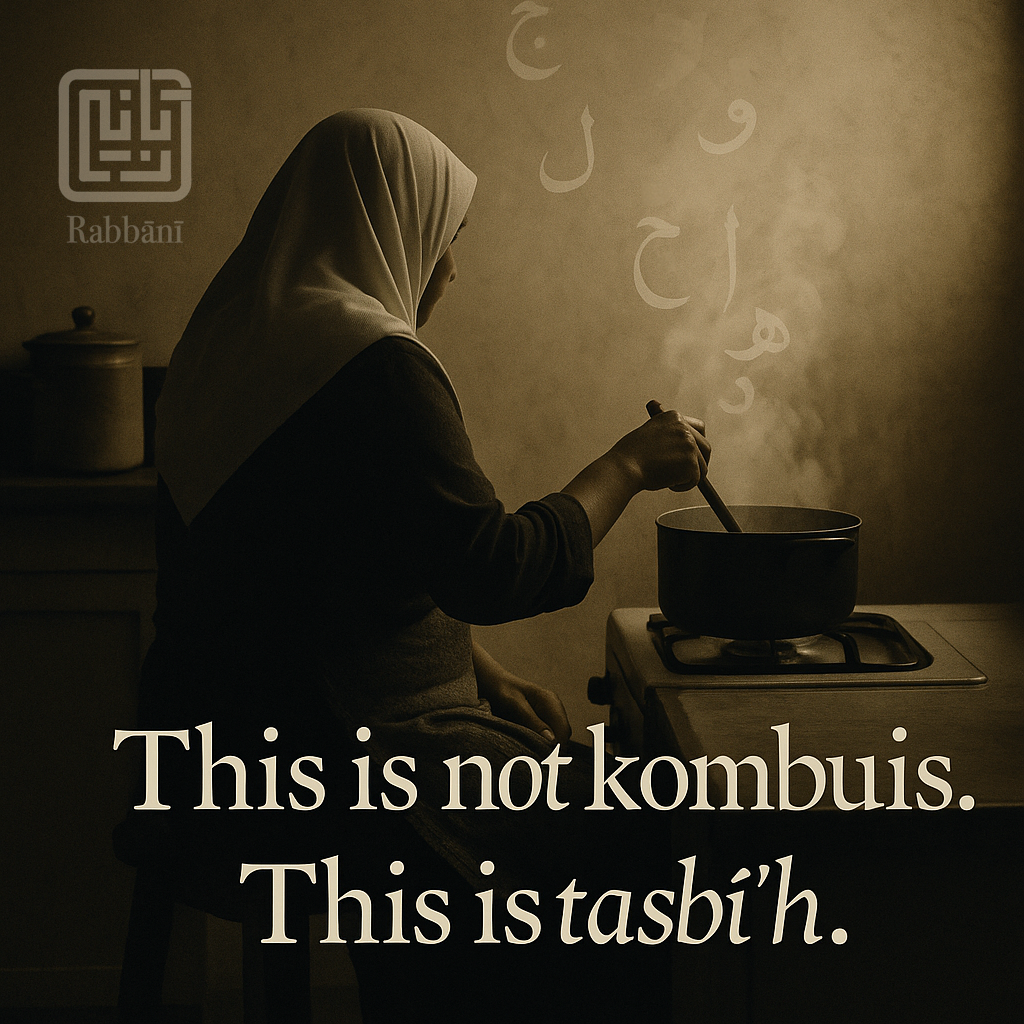
    I, on the other hand, had grown up with a different register: kombuis-Afrikaans, spoken in kitchens and mosques, spiced with Quranic rhythm and Kaapse mischief.

    Somewhere between the mountains and memory, we argued.

    “That’s not real Afrikaans,” she said, teasing. “You make up words.”

    “And who decided what’s real?” I asked. “The Broederbond? The DRC? The state that tried to baptize us in its accent?”

    She laughed — but the question lingered.

    This is not just a story of a couple’s linguistic banter.
    It is the story of a language born in exile, nurtured in slavery, softened by Qur’an, and carried through generations of prayer, protest, and poetry.
    This is a story of Afrikaans — not as the language of the oppressor, but as the tasbih of the oppressed.


    1. Afrikaans: Not a White Invention

    Let’s begin here: Afrikaans was not born in Stellenbosch.

    Its roots run through Cape Malay kitchens, slave quarters, mosque courtyards, and prayer gatherings beneath candlelight.
    It was whispered by Javanese mothers exiled from Batavia, recited by Wolof imams from Senegambia, taught by Hadrami scribes, and softened by the Khoena tongues of this land — long before colonial grammarians arrived to cage it in rules..

    The historian Achmat Davids was among the first to challenge the myth that Afrikaans was solely a “white man’s language.” His pioneering research, later extended by Hein Willemse and others, traced Afrikaans’ earliest written form to the Muslim community of the Cape — not in Latin script, but in Arabic-Afrikaans, or what was sometimes called Ajami Afrikaans.

    One of the oldest surviving texts in Afrikaans is a du’a (supplication) manual written in Arabic script by enslaved Muslims.
    Another is the 1869 Bayān al-Dīn, a complete Islamic catechism in Afrikaans, used for madrassah instruction.
    These works prove something scholars of empire often resist: that enslaved and colonised peoples were not passive recipients of a language. They reshaped it. They sanctified it. They infused it with rhythm, resistance, and remembrance.

    Afrikaans was not merely a colonial bastard tongue.
    It was — and remains — a mother tongue for many, especially when that mother stood stirring boeber while reciting Qul Huwa Allahu Ahad under her breath.


    2. Creole? Or Camissa?

    I’ve always had difficulty with the word creole.

    Not because I reject mixedness — quite the opposite. I honour our intertwined bloodlines, the sacred chaos of diaspora, the rivers that met and mingled here at the Cape.
    But because the term creole, as used by certain linguists, often carries a quiet violence: it frames our language as a compromise, a simplified system born of broken tongues.
    It reduces what is sacred into something stitched from scraps. As if kombuis-Afrikaans was the language of people who couldn’t speak properly — not of people who chose to pray differently.

    And too often, creole becomes a coded term for “coloured.” A linguistic way of saying not-white, not-black, not-arabic, not-european — just other.

    I prefer another term: Camissa.
    As Patric Tariq Mellet reminds us, Camissa was the name of the river that once flowed through the Cape Flats, long before the Dutch buried it under stone. It was also the name of the Goringhaicona clan who traded with the world before colonial maps erased them.
    To speak Camissa-Afrikaans is to remember we are not defined by brokenness — but by confluence.

    So no, what we speak is not a creole.
    It is the tasbih of the kitchen, the dhikr of the dockyard, the language of longing.
    What they call kombuis, we call home.


    3. The Language of Tasbih

    In our home, Afrikaans was not the language of textbooks or term reports.
    It was the language of tasbīḥ — of remembrance, rhythm, and breath.

    Thursday nights, just after maghrib, the living room would dim into stillness. A cloth was spread. The Rātib al-Ḥaddād would begin.
    First a whisper:
    Qul huwa Allāhu Aḥad…
    Then a swelling chorus — women’s voices, children’s murmurs, old men with trembling hands.

    We called it the Gadat.
    It was recited in Arabic, but held together by Afrikaans: the instructions, the rhythm, the murmured cues.
    “Ouens, netjies!”
    “Hou die beat mooi!”
    “Moenie vinnig ry nie — luister na die kalmte.”

    Sometimes, someone would break from the dhikr to hush a restless child.
    “Shhh, dis nou Allāh se tyd, my kind.”
    That now — that insistence that this moment of prayer was sacred and immediate — still echoes in my chest.

    And when it was done, a sweetness returned:
    koesisters passed hand to hand, boeber ladled with care, stories resumed in Kaaps lilt.
    The tasbīḥ was complete — not just in recitation, but in the return to one another.

    In his later years, my father told me how the elders taught Qur’an in Afrikaans before Arabic letters could be properly mastered.
    Children would chant:
    “Alif duwa detis, Alif duwa bowa, Alif duwa dappan, An In Oen.”
    It was a phonetic bridge — an echo of how Javanese, Malay, and Arab teachers preserved tajwīd in a tongue the children already knew.

    This wasn’t a lack of Arabic. It was a path to it.

    And it wasn’t unique.

    In Senegal, Wolof Muslims chant dhikr in their own rhythms.
    In Indonesia, pegon script preserves the Qur’an in Javanese hearts.
    At the Cape, Afrikaans — even in its kitchen form — became the vessel through which the Names of God entered the ears of children.

    Afrikaans was never just a tool of survival.
    It was a tool of transmission.

    Of tawḥīd in a tongue our mothers understood.


    4. Jawap: The Command to Recite

    In the old madrassah, silence was not golden — it was a gap in the chain of transmission.
    A break in the rhythm.
    A forgetting.

    And so, when your voice faltered or your memory stalled, the mu’allim would lean forward — not with cruelty, but with urgency — and say:

    “Jawap, my kind!”

    Not shout. Not plead. But command.
    Recite.
    Respond.
    Step back into the rhythm.

    Because in the Cape, jawap was never just “answer.”
    It was a summons — to speak, to return, to carry what you’ve been given.

    The word comes from the Arabic ج و ب — jawāb, meaning “reply,” and ijābah, the act of answering a call.
    But in Afrikaapsjawap widened its reach.
    It meant:

    • Recite the ayah.
    • Step into the beat.
    • Don’t let the tasbīḥ fall silent.

    You could hear it outside the masjid too —
    In a kitchen when someone moved too slow:

    “Jawap nou! Die kos gaan brand!”
    In a playful quarrel between siblings:
    “Ek wag vir jou jawap, dan sal jy sien!”

    But the root remained sacred.

    To jawap was to not let the memory die.
    It was to pull the verse from the chest, even if the chest was tight.
    It was to let the breath carry the Names of God, even when the tongue stumbled.

    Some nights, I’d sit with my father as he corrected a cousin’s recitation.
    He never raised his voice.
    Just waited for the right moment and said, gently but firmly:

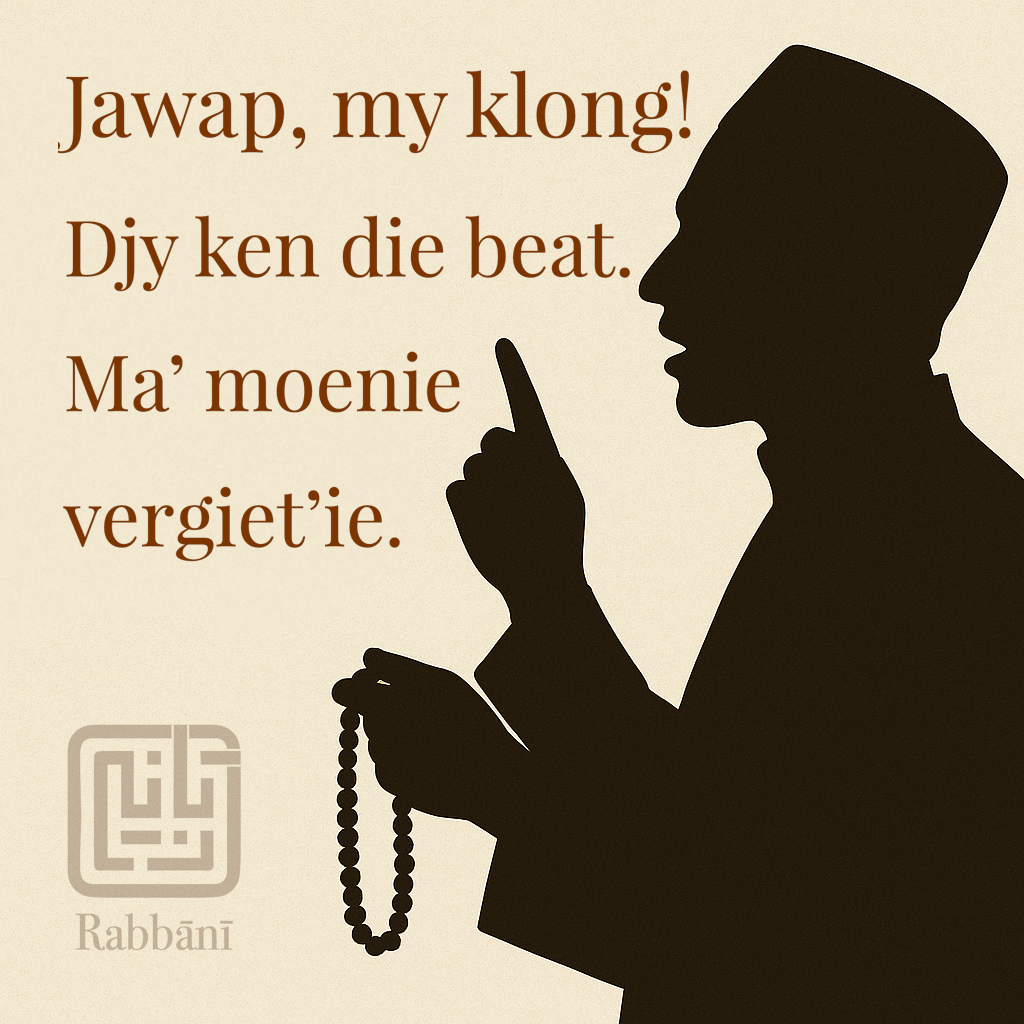
    “Jawap, my klong! Djy ken die beat. Ma’ moenie vergiet’ie.”

    That sentence lives in me.

    And I wonder now if that’s what the Qur’an itself asks of us:

    Fa-ijībū li…
    So respond to Me… (Qur’an 2:186)

    Not just with belief, but with voice.
    Not only with intellect, but with breath.

    To live is to jawap.
    To remember is to jawap.
    To teach, to protest, to praise — is to jawap.

    And maybe that’s why the Gadat still echoes through the Cape —
    Not because we’ve mastered every rule of tajwīd,
    But because someone once told us:

    “Don’t keep quiet. Jawap.”


    A salomie is how we hold history — wrapped in warmth, passed from hand to hand.
    To live is to jawap. To resist is to remember what we’re made of.

    5. Echoes of Resistance: A Language That Refused to Die

    To speak Afrikaaps was once considered vulgar.
    Uneducated. Low.
    The language of skolliesmeidens, and kitchen girls.
    The official line was clear: proper speech belonged to white mouths and white pulpits.

    But at the Cape — in Salt RiverBo-KaapParkwoodBelhar, and Bonteheuwel — our people spoke tasbīḥ in their own tongue.

    And that was resistance.

    They recited Qur’an with Kaapse inflections.
    They sang dhikr in alleyways, under washing lines, between the Sunday curry and the Monday washing.
    They wrote duʿāʾ in Arabic script — with Afrikaans vowels — because the state’s education system wouldn’t teach them Arabic, and the imām couldn’t write Latin.

    This wasn’t survival. It was sovereignty.

    When the tongue of the oppressor tried to rename us,
    we jawapped back with remembrance.
    When they broke our schools,
    we turned kitchens into classrooms.
    When they mocked our accent,
    we sharpened it into poetry.

    And in that echo, you can still hear the names of the early reciters:
    Tuan Guru teaching on Robben Island.
    Imam Saban writing Bayān al-Dīn for the children of slaves.
    Ouma Gatie sitting in her chair, reciting Yā Sīn in Afrikaans until her teeth ached — and her soul rose light.

    Even Apartheid’s Bible — the 1933 Afrikaans translation — couldn’t erase the sound of tasbīḥ in our streets.
    Because we had our own Book, our own rhythm.
    Our mothers wrapped Qur’an verses in the same cloth they wrapped around your lunch tin: tight, warm, enough.

    To remember in Afrikaans — to teach La ilāha illā Allāh with a Cape tongue — is not just a cultural artefact.

    It is a form of sabr.
    Of jihād.
    Of wilfully remembering what empire tried to make us forget.

    And so even now, when I hear a child reciting in Afrikaaps,
    I don’t correct the accent.

    I listen for the memory in the melody.
    Because sometimes, the resistance is not in the grammar —
    It’s in the breath.

    Theatre as Tasbīḥ: Walking Through 333 Years

    In 1986, the Call of Islam commemorated 333 years of Islam in South Africa — not with a speech, but with a play.

    “A Walk Through 333 Years” was a theatrical act of remembrance: combining Qur’anic recitation, storytelling, song, and dramatic re-enactment of Muslim life from enslavement to resistance.

    Directed by a community professional, informed by the late Achmat Davids’ research, and carried by a cast of ordinary believers, the play jawapped our history with full breath. It wasn’t just performance — it was pedagogy.

    The production travelled across the country and left audiences moved in ways no pamphlet or sermon could match.

    Like tasbīḥ in the kitchen or dhikr in the alleyway, this was language at work — resisting, remembering, reclaiming.

    Because sometimes, the resistance is not just in the grammar.

    It’s in the gathering.
    It’s in the jawap.
    It’s in the walk through our own years — together.


    6. Tongue, Tasbīḥ, and the Right to Return

    So what is a language?

    A dictionary will tell you it’s a system. A grammar. A structure of rules.

    But we — the people of kombuise and kramats, of ratibs and roti —
    we know different.

    We know that a language is also a holding.
    A way to wrap memory is like a salomie wrapped in a roti — not for perfection, but to preserve warmth.

    We know that Afrikaans is not only the language of the jailer — it is also the jawap of the jailed.
    It is the rhythm of the Qur’an under colonial roofs.
    It is the sound of mothers whispering Bismillah while brushing a child’s hair.
    It is the beat of “Moenie vergiet’ie” — not as a threat, but as a prayer.

    If they ask us who we are, we might say:
    We are the children of those who answered with breath when the world tried to silence them.

    We are the ones who recited even when we could not read.
    Who made dhikr in a tongue they said was impure.
    Who kept the memory of revelation alive —
    in kitchens, classrooms, corners of mosques, and hearts that stammered but never surrendered.

    And so, if anyone asks:

    What kind of Afrikaans is this?

    Tell them gently:

    This is not the Afrikaans of the oppressor. This is the mother tongue of tasbīḥ. The language of jawap. The rhythm of remembrance. This is the tongue that taught us to speak back to the silence — and return to God with our own breath, in our own way.

    Because what they called kombuis,
    we called home.


    📚 Footnotes & References:

    1. Achmat DavidsThe Afrikaans of the Cape Muslims from 1815 to 1915: A Socio-Linguistic Study, UCT PhD Thesis, 1987.
      Foundational in establishing the role of Arabic-Afrikaans and Cape Muslim literacy practices.
    2. Hein Willemse, editor and scholar of Afrikaans literary traditions, particularly around marginalised and non-standard variants.
      Relevant essays include: “Language, Race and Power in South Africa.”
    3. Patric Tariq MelletThe Lie of 1652: A Decolonised History of Land, and various writings on Camissa identity and language reclamation.
    4. Adli JacobsPunching Above Its Weight: The Story of the Call of Islam, Function Books, 2024, p. 84.
      Documents the Call of Islam’s 1986 theatrical production “A Walk Through 333 Years”, co-developed with historian Achmat Davids. This performance combined Qur’anic recitation, song, and drama to embody the memory of Islam’s journey from slavery to resistance in South Africa.
    5. Qur’anic verse cited:
      Qur’an 2:186 — “So respond to Me (fa-ijībū li) and believe in Me, that they may be rightly guided.”
    6. Oral traditions and family sayings (e.g. “Jawap, my klong. Jy ken die beat.”)
      Attributed to the author’s father, part of Cape Muslim living heritage.
    7. Arabic-Afrikaans manuscripts (e.g. Bayān al-Dīn, Ratib al-Ḥaddād in Arabic-Afrikaans):
      Refer to holdings in the National Library of South AfricaClarke Estate Mosques, and private Cape Muslim collections.
    8. Laagu vs Tajwīd debates and Thursday night Gadat gatherings:
      Drawn from oral sources and lived practice in Cape Town’s Muslim communities.
      May cite the influence of Shaykh Seraj Hendricks, Imam Taha Gamieldien, and Imam Abdullah Haron’s legacy of fusing dhikr with defiance.

    🪶 Related Articles in This Series: