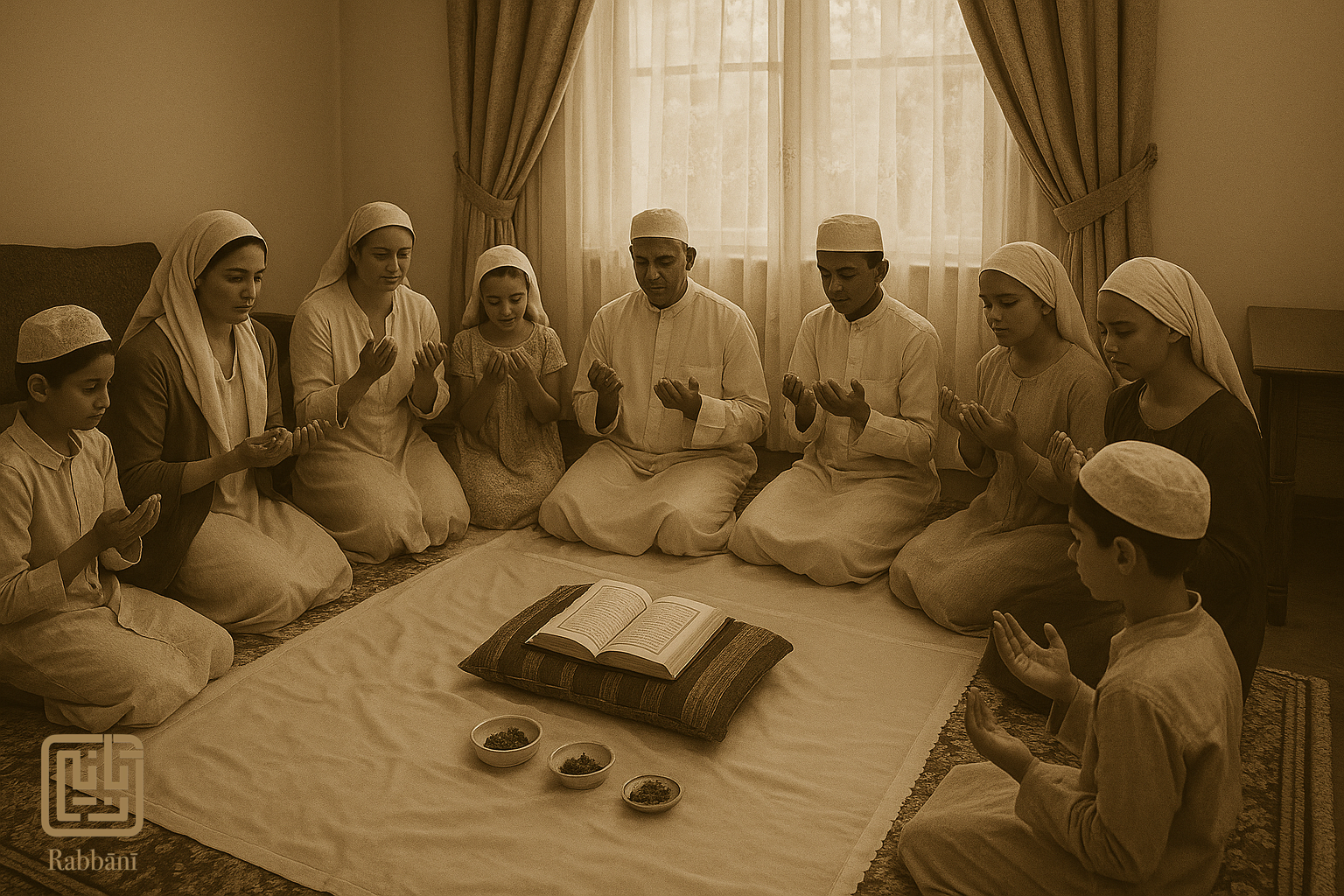
Tag: dhikr

  • The Good Word as a Good Tree

    The Good Word as a Good Tree

    The Good Word as a Good Tree

    Planting knowledge, remembrance, and companionship in the soil of hearts
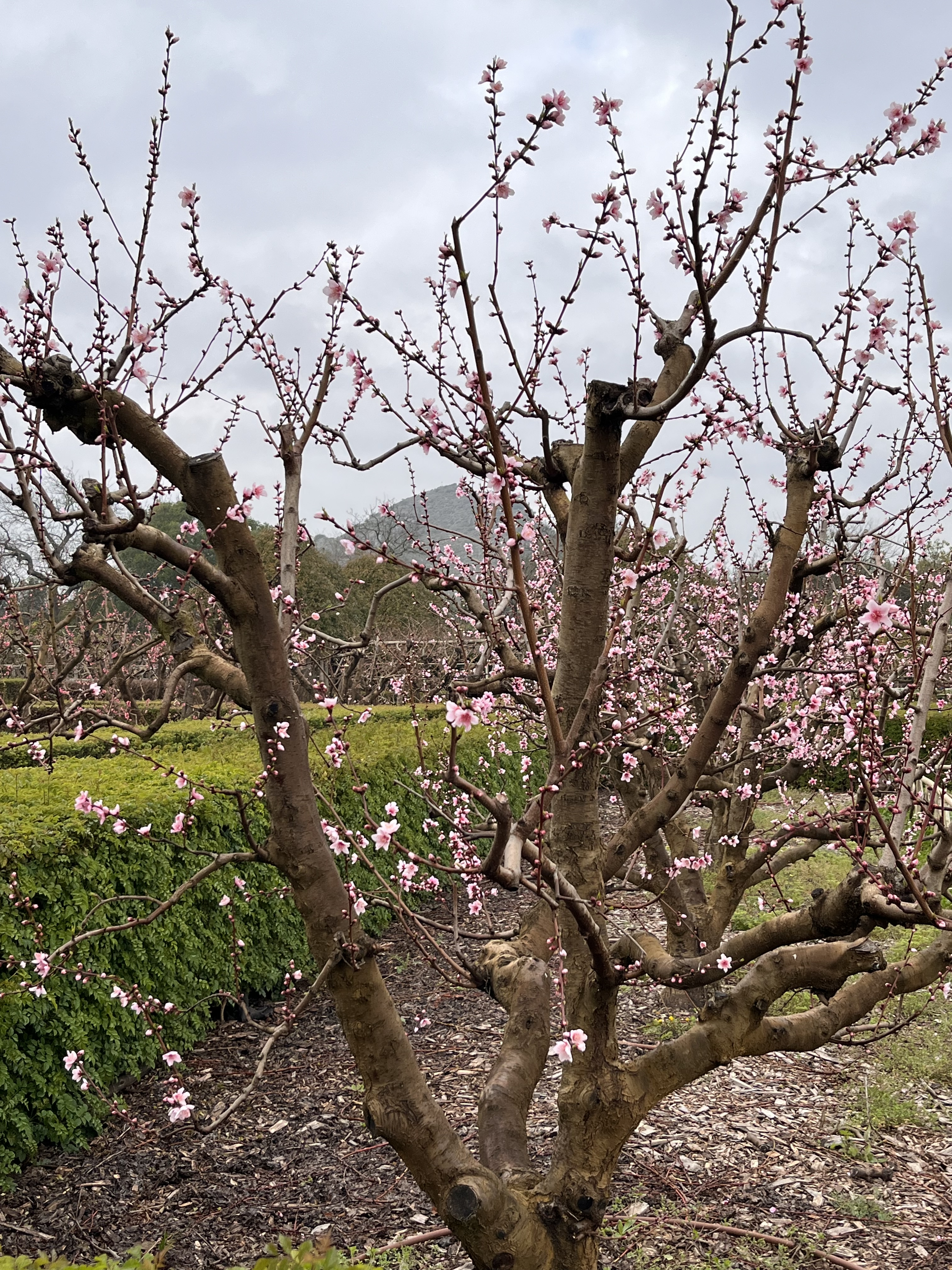
    It began not with my own notes, but with a gift.
    A reflection carried to me from a dars (lesson) of Shaykh Allie Khalfe — may Allah preserve him — through the words of his student, Masooda. What reached me was not information but suḥba (companionship in transmission). It felt as if a branch had been placed in my hand, living and fragrant.

    The dars turned on Imam Sharani’s text. At its close, the author prayed for the one who writes, the one who conveys, and the one who listens — sketching in that duʿāʾ (supplication) the hidden architecture of ijāzah (authorisation). Knowledge is never solitary. It requires scribe, voice, and ear.

    When the names of the ʿulamāʾ (scholars) in the sanad (chain of transmission) were recited, it was like witnesses at a nikāh (marriage contract): a chain of trust sealed with al-Fātiḥa (the Opening chapter of the Qur’an) and ṣalawāt (prayers upon the Prophet ﷺ). Not formality, but a bond.

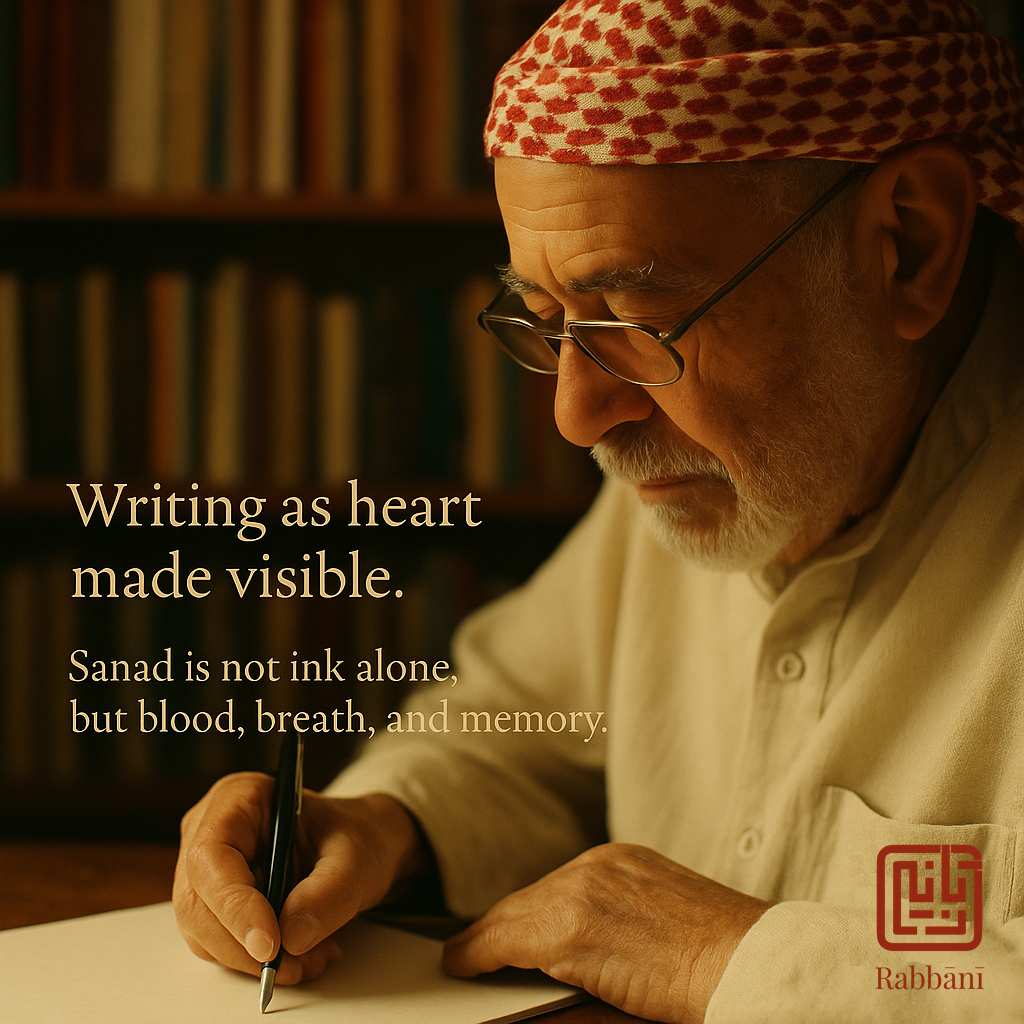
    And then, a detail that stills me: the Shaykh reminded that the index finger carries a vein to the heart. The same finger that cradles the pen. Writing, then, is not merely ink — it is the heart made visible.

    This is adab as-suḥba — the courtesy of companionship. Sometimes a verse must be allowed to enter and sit in the heart until it ripens into fruit. Its meaning multiplies.


    A Good Word, A Good Tree

    The Qur’an says:
    “A good word is like a good tree whose root is firmly fixed, and whose branches reach the heavens. It gives its fruit at all times, by the permission of its Lord.” (Ibrāhīm 14:24–25).

    Masooda spoke of how the verse itself visited her — once even on a screen in Ramadan, tugging her heart like a breeze that compelled her to sit and drink from it. She returned to it again and again, until its shade and fruit became part of her.

    This is the work of suḥbadhikr (remembrance), and ʿilm (knowledge) braided together: soil, water, sun. Good words are nourishment, shelter, and fruit. They live beyond their first moment, feeding others long after.
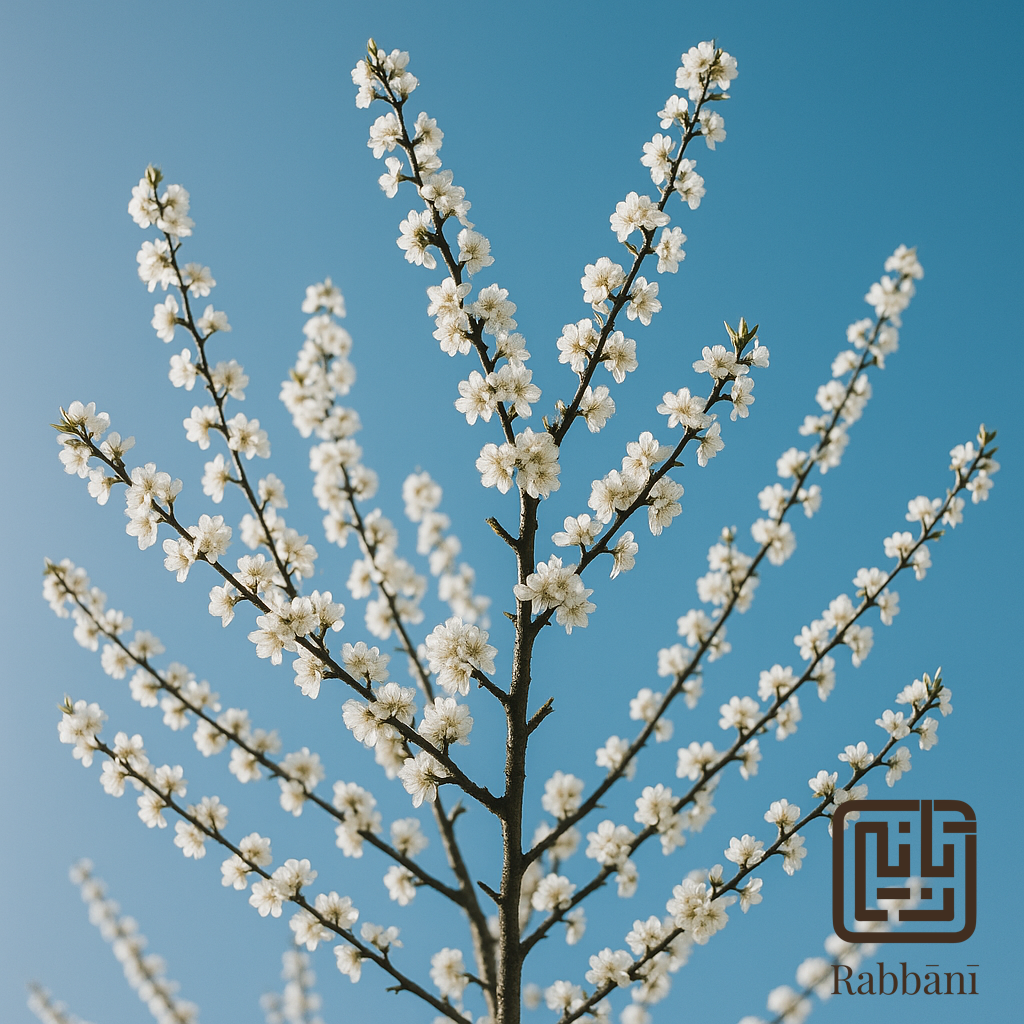

    Oceans Without Shore

    “If all the trees on earth were pens, and the ocean were ink, refilled by seven more oceans, still the Words of Allah would not be exhausted.” (Luqmān 31:27).

    The tree becomes pen, the ocean becomes ink — and still it is not enough. Knowledge is boundless, and our writing, reading, and speaking are only drops.

    Ijāzah is like a rope stretched across generations, so we are not stranded with only our nafs (ego-self) in shallow waters. The sanad becomes a coastline, teacher to student, name to name, heart to heart. Waves advance, pens move, yet the ink of Allah’s words runs deeper than we can fathom.

    Bonsai, Hidden Garments, Generational Love

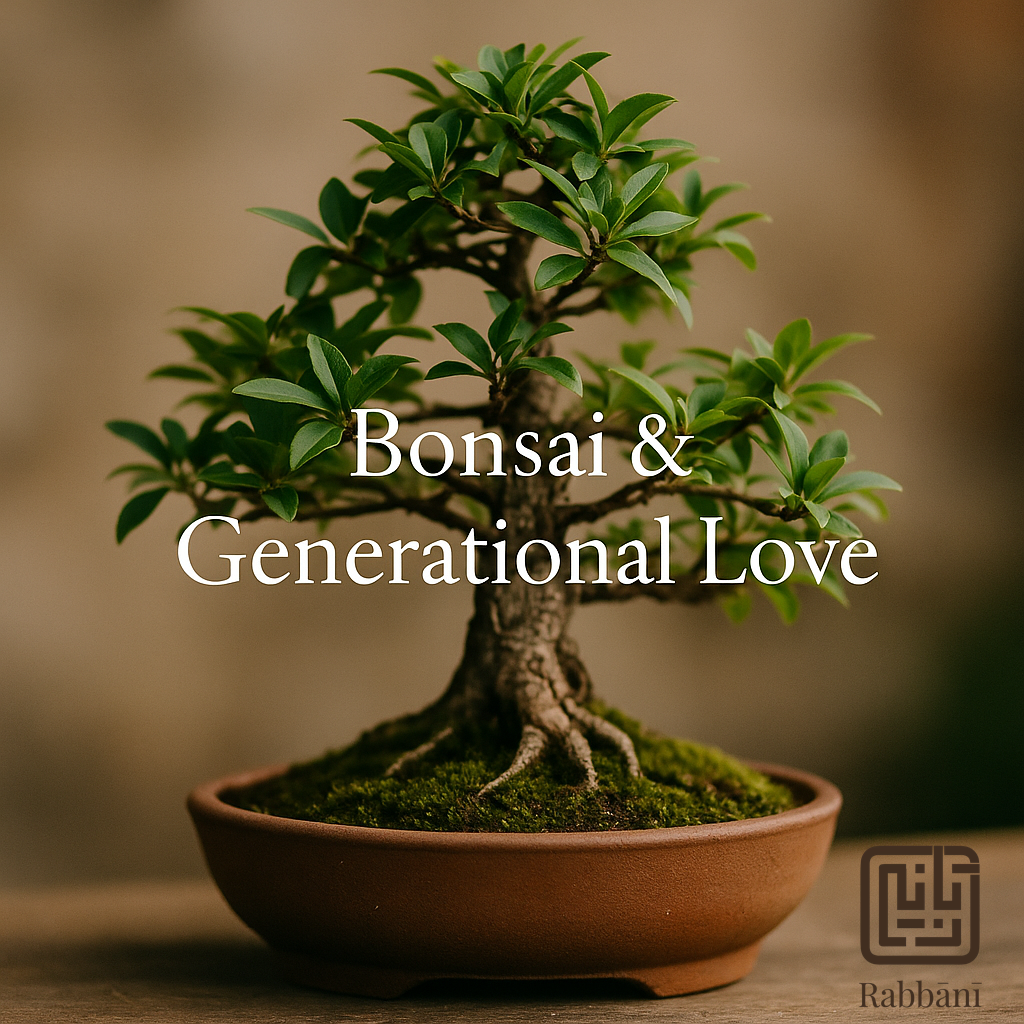
    Not all transmission is vast like oceans or towering like trees. Some is slow and deliberate, like a bonsai — carefully pruned, shaped across years, carrying endurance in its smallness. Generational love can be like this: cut back, tended carefully, yet still alive.

    Charity is like a hidden garment — a warmth felt but not displayed. And the link to Allah is direct, unmediated, suḥbawith the Real.

    Because we began in a garden, we will return to it. To remain a child in the garden — curious, open, growing — is the secret of maturity.

    The Farm with a Heart

    The land itself was described as a body. One farm to another, the same anatomy: if the brain is sound, the farm is sound. And deeper still, the heart of the farm. It was as though I was hearing the ḥadīth: “Verily, in the body there is a piece of flesh; if it is sound, the whole body is sound. If it is corrupted, the whole body is corrupted. Verily, it is the heart.”

    The farm is a mirror of us, and we are mirrors of the farm. Soil, water, mind, heart — they rise and fall together.

    And another secret: beautiful people are hidden from the world, like seeds in soil waiting to rise. Their signs are etched into the land, into quiet generosity, into living Qur’an carried in silence. Who would have thought that on the first colonial farm one might hear Qur’an spoken back by the soil, the wind, the hidden awliyāʾ (friends of God)?

    Hidden people, hidden farms, hidden saints — Allah scatters them where we least expect.


    Fire and Blossom

    Here the Cape flora speaks:

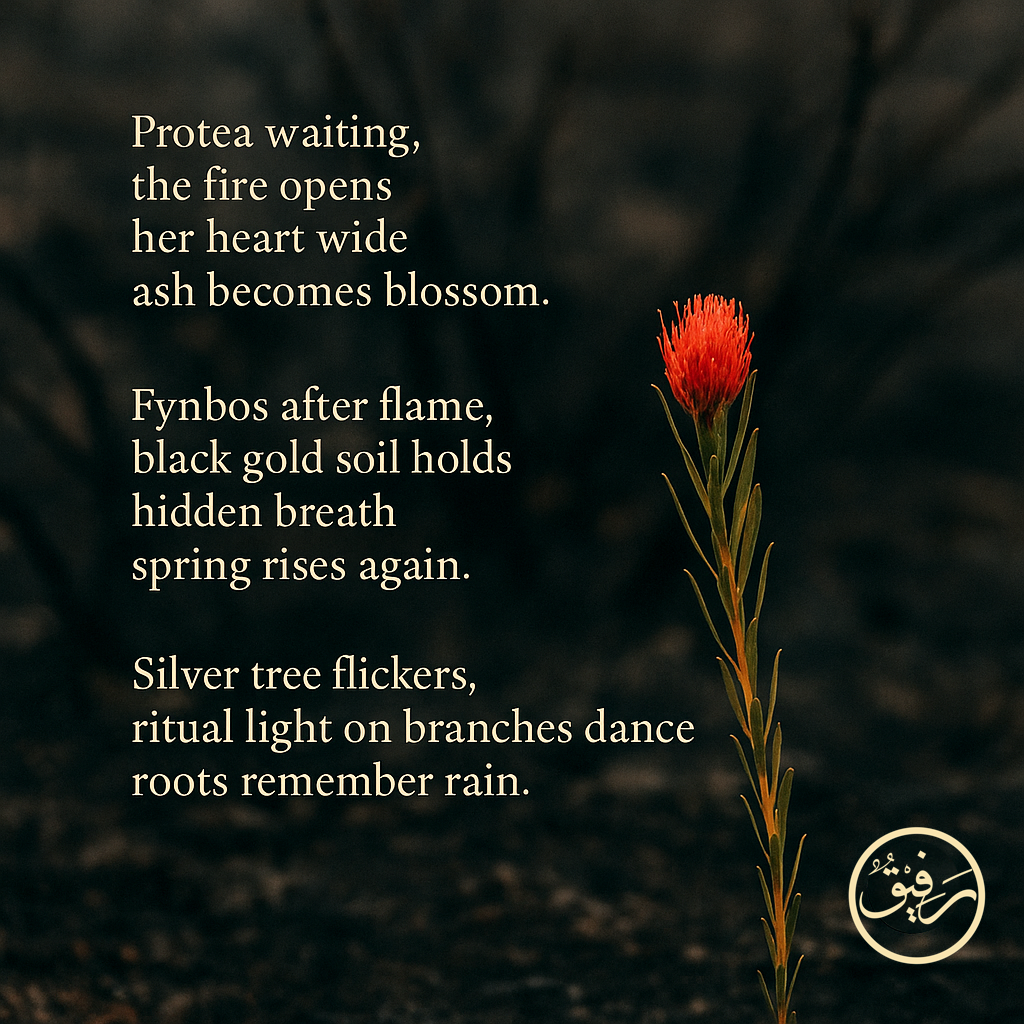
    Protea waiting,
    the fire opens her heart wide,
    ash becomes blossom.

    So too is the heart. Fire opens what is hidden; patience reveals what is promised.

    Dhikr as Greater

    All of this — sanadsuḥba, ʿilm, trees, oceans, farms, blossoms — is gathered by one thread: dhikr.

    “Wa la dhikrullāhi akbar” — “And the remembrance of Allah is greater, without a doubt.” (ʿAnkabūt 29:45).

    Greater than what? Greater than the fire that tests the protea, greater than the nafs that bends the farm, greater than even the words we speak when they are empty of Him. Dhikr transforms knowledge into light, suḥba into companionship, trees into nourishment, oceans into signs without end.

    And yet dhikr is even wider than many of us think. It is not only on the tongue, in recitation or chanting. It is also in the body: in breath, in muscle, in tendon, in presence, in stillness. It is kindness, humility, love, and community — whether Muslim, Christian, or Buddhist — meeting each other in harmony and poise.

    This too is dhikr. Treasures we must preserve with care, if we wish to remain bridges to safety.

    Because we began in a garden, we will return to it. The good word remains a good tree. The ocean remains ink that cannot be exhausted. And remembrance — dhikrullāh — is greater than them all.

    Postscript

    There are words from the poet Shabbir Banoobhai that linger here — like water poured into an empty cup, still teaching us what thirst means:

    wisdom in a jug
    an empty cup
    you said
    pour till it’s full

    i tried and tried
    finally sighed
    and said
    it’s empty still

    These lines feel like the secret of suhba itself: to never be satisfied with one sip, to know the thirst itself is part of the gift.


    Acknowledgement

    With gratitude to Shaykh Allie Khalfe, whose dars planted these roots, and to his student Masooda Fadal, who shared these reflections and passed on their fragrance.


    Glossary of Terms

    • uḥba (صُحبة) — Companionship; keeping company with teachers, friends, or the Divine. In Sufi tradition: the courtesy of companionship (adab as-suḥba).
    • Sanad (سند) — A chain of transmission linking teachers and students across generations.
    • Ijāzah (إجازة) — Authorisation or license to transmit a text or knowledge, usually granted by a teacher to a student.
    • ʿUlamāʾ (علماء) — Scholars of Islam; those learned in the sciences of religion.
    • Nikāh (نكاح) — Marriage contract.
    • Al-Fātiḥa (الفاتحة) — “The Opening,” the first chapter of the Qur’an, often recited in prayer and blessings.
    • Ṣalawāt (صلوات) — Prayers and blessings upon the Prophet Muhammad ﷺ.
    • Dhikr (ذكر) — Remembrance of Allah; includes recitation, prayer, and also presence, breath, stillness, and actions of kindness.
    • Nafs (نفس) — The self or ego; the inner self that inclines to desire, distraction, or pride.
    • Awliyāʾ (أولياء) — “Friends of God”; saints, those close to Allah through devotion and purity of heart.
  • In the Circles of Azzawia

    In the Circles of Azzawia

    In the Circles of Azzawia

    From Sunday’s Kitāb al-Shukr to Monday’s Minhāj al-Ṭālibīn, tracing the chains of Shāfiʿī knowledge, the whispered wisdom of teachers, and a daily breeze of remembrance.

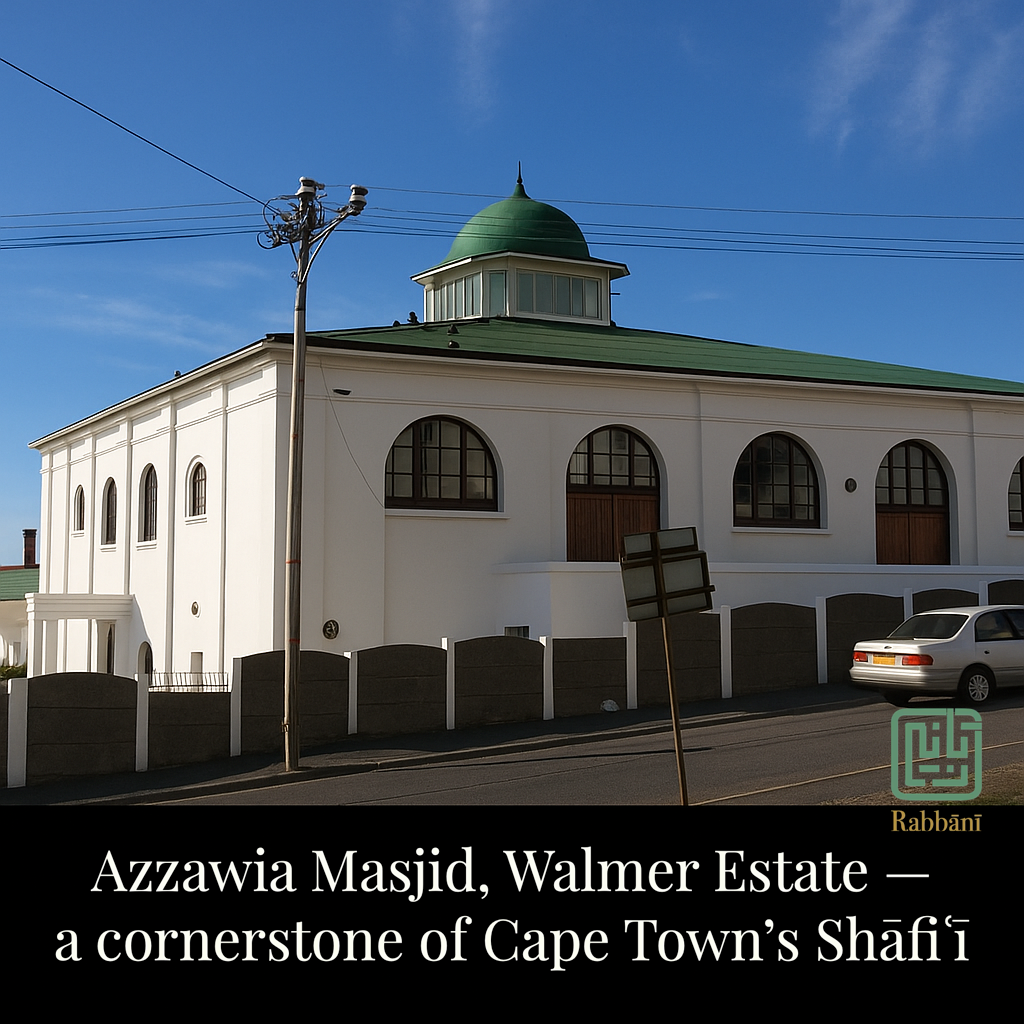
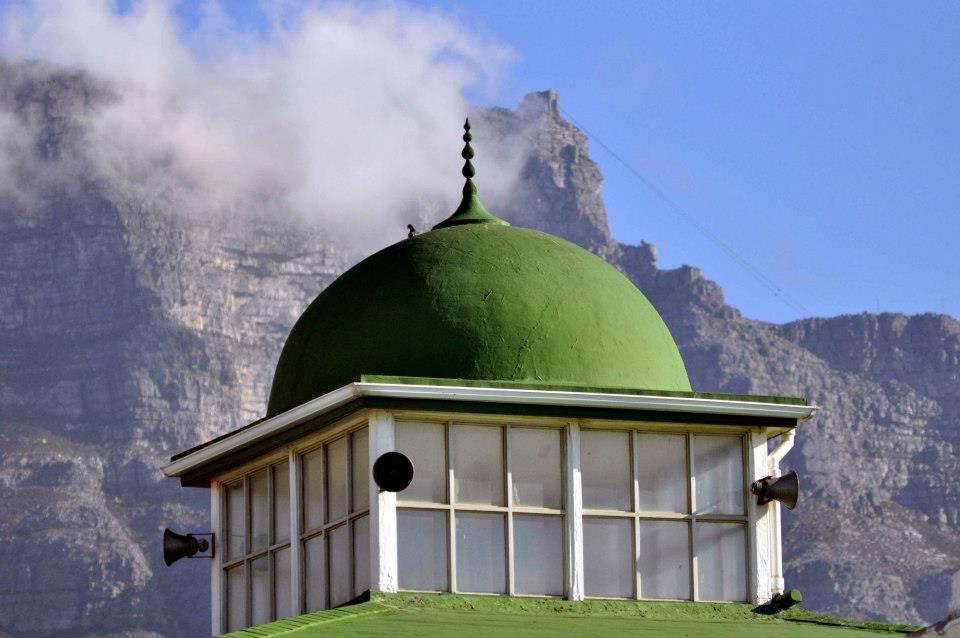
    Azzawia Masjid, Walmer Estate – a cornerstone of Cape Town’s Shāfiʿī scholarship and spiritual tradition.

    Sunday Morning – Chains of Knowledge, Wings of Mercy

    Last Friday, Al Ameen, my swaer, took me to Al Azawia Mosque in Walmer Estate. I had only wanted to greet Shaykh Achmad Hendricks, who was delivering the Jumuʿah khuṭbah. But in the front ṣaff, I also took hands with Shaykh Allie Khalfe.

    He smiled and said, “Adli, I’m glad you are here in Cape Town. Come to my dars this Sunday morning.”

    I went.

    The gathering was in the old style — a teacher seated, a text in Arabic before him, the words flowing into English explanation. Shaykh Allie was reading from Imām al-Ghazālī’s Kitāb al-Shukr (Book of Gratitude). Before the lesson began, Rashaad recited the Qaṣīda al-Burda Sharīf with the beat of the duff — a reminder that knowledge, in our tradition, is not only in the mind but in the heart, the breath, the rhythm.

    The room carried the scent of chains of transmission — ustādh to ustādh, back to the author, to the early masters, to the Messenger ﷺ. We were given a chart in Arabic, thirty or so key uṣūl al-fiqh terms, the kind that open doors into the Qurʾān’s architecture. A gift in itself.

    Shaykh Allie moved between concepts — ʿilmtafakkurḥāl; gratitude as both unveiling and action; the way arrogance blinds and mercy gives wings; Allah’s command in the Qur’an for Mūsā عليه السلام to speak kindly even to Pharaoh; and how every act, every vessel, every design is part of tawḥīd.

    He reminded us that knowledge is not a library of abstractions but an ʿamal — a living response. That Bismillah should precede everything, and that the chains we hold are not shackles but the silsilah — the unbroken links of teachers and students — which, when pulled, draw the heart closer to Allah.

    At the end, he placed in my hands a book: A Journey Through Time with Al-Shāfiʿī, Muhammad bin Idris, Volume 2. Another link in the chain, another door to open.

    I left with the sense that gratitude itself is a journey — from the first Bismillah to the final Alhamdulillah — and that Cape Town, for all its winds, still holds corners where the old way of learning is alive, unbroken, and quietly shining.

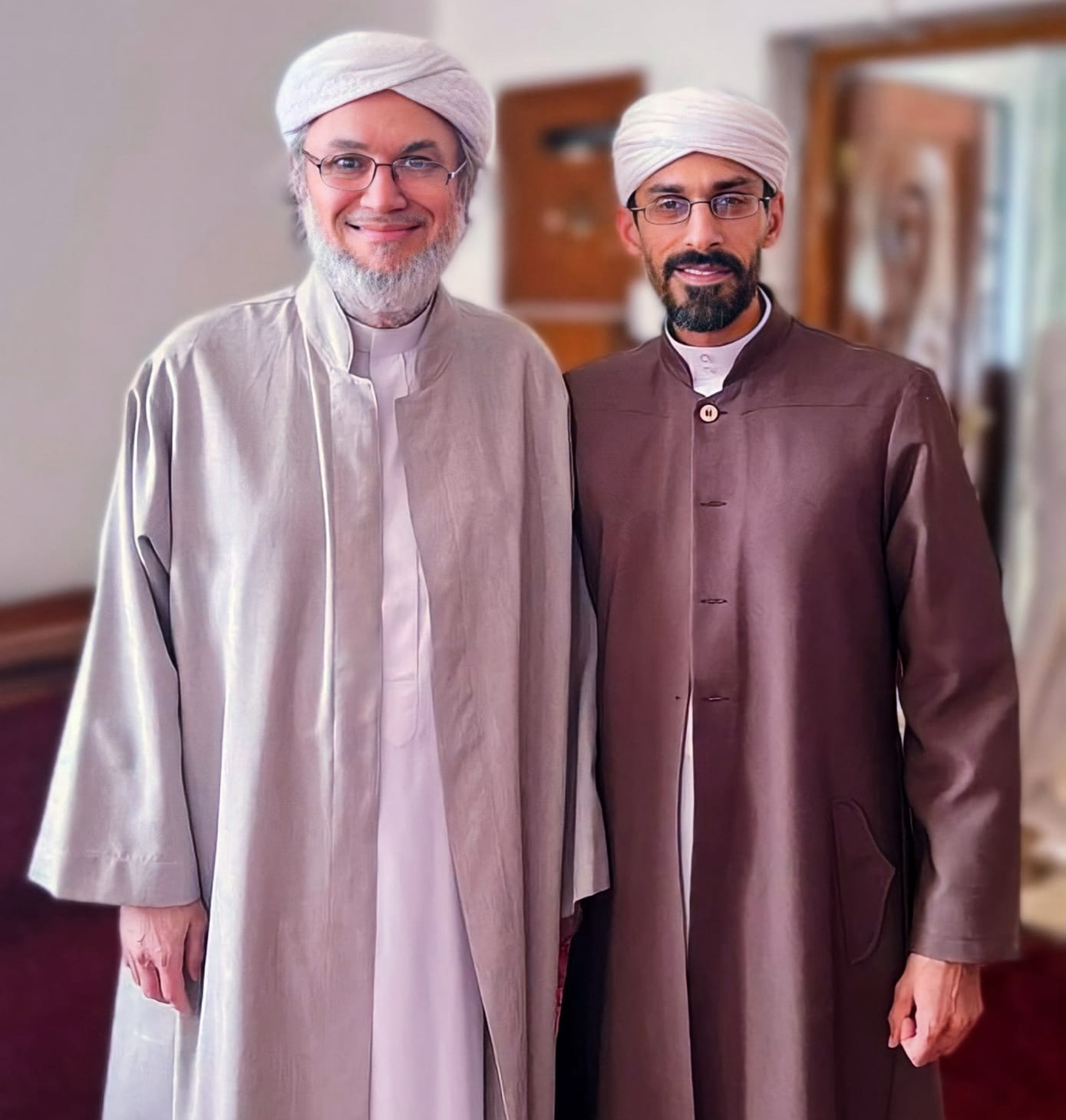
    Two pillars of Cape Town’s Shāfiʿī tradition — Shaykh Achmad Hendricks (left) and Shaykh Allie Khalfe (right).
    Between them flows an unbroken silsilah: the study circles, the Qur’anic sciences, the breath of dhikr, and the living manners of the tradition. Under their guidance, the old way of learning — text in hand, hearts attentive — remains alive in Cape Town.

    Monday Night – Two Hours on an Introduction

    On Monday night, 11 August 2025, I returned to Azzawia Mosque — this time for the weekly dars with Shaykh Achmad Hendricks.

    The WhatsApp invitation from Rashaad Samaai had been simple:

    Shaykh Ahmad is currently teaching the Minhāj al-Ṭālibīn of Imām al-Nawawī and the Risālah of Imām al-Qushayrī.

    My madhhab is Shāfiʿī — as is the majority of Cape Muslims — so to sit in a reading of Imām al-Nawawī’s masterpiece felt like stepping into my own inheritance.

    Shaykh Achmad spent two hours on just the introduction — pausing on its closing lines:

    Finally, in cases where there is divergence of opinion among authorities I shall give an impartial exposition of the two opposing theories, the two sides from which one may consider the question in dispute, and the two methods of reasoning adopted in order to solve it; and then I will also, where there is occasion for it, quote separately the decisions of our imam al-Shāfiʿī, and note the relative value of the different appreciations.

    From that, a whole world opened: the discipline of fairness, the patience to hold two views in one’s hands, and the humility to weigh them without arrogance.

    It took me back to a scene years ago in the Haram at Makkah. A teacher had just finished lecturing his students. When he rose, they swarmed him like bees — those nearest whispering their questions, the teacher answering in whispers too. Everyone leaned in to catch the words. Then, when he departed, they rushed into the market to buy the books he had mentioned.

    That is knowledge — not the cold storage of facts, but the living pursuit: sitting, listening, writing, memorising. The kind that makes the heart lean forward. The kind that, even in an age of instant answers, still requires the slow, deliberate turning of a page.


    A Gift for the Road – Daily Adhkār

    As we stepped out into the cool Cape Town night, Rashaad Samaai pressed a page into my hand.

    “It’s from Shaykh Achmad,” he said.

    On it was a short litany to be read three times daily — Names of Allah drawn from the Qur’an and the hearts of the early saints:

    Bismi Allāh al-Raḥmān al-Raḥīm, Yā Allāh
    In the Name of Allah, the Most Compassionate, the Most Merciful. O Allah.

    Yā Wāḥid, Yā Aḥad — O The One, O The Unique
    Yā Wājid, Yā Jawwād — O The All-Perceiving, O The Most Generous

    Infikhnee bi-nafkhati khayr — blow into me a breeze of goodness

    Innaka ʿalā kulli shay’in Qadīr — Indeed, Allah has Power over all things.

    A simple gift, but in it, a whole ocean — remembrance for the tongue, stillness for the heart, and a daily returning to the Source.

    The green dome of Azzawia Masjid rises like a lantern against the stone face of Table Mountain, a reminder that Cape Town’s spiritual horizon is as enduring as its natural one. From here, the call to prayer has travelled across decades of wind and history, mingling with the clouds that crown the mountain. Under this dome, chains of knowledge are kept alive — voices of teachers, pages of sacred texts, and the quiet remembrance of Allah, all anchored in the heart of the city. [Pic: Shafiq Morton]

    Closing line:
    And so the circles of Azzawia turn — each dars a link, each link a step — until the seeker finds that the journey was not only to the masjid on the hill, but deeper into the heart of the chain itself.

  • Between Distance and Closeness: Walking the Path of Al-Fātiḥah

    Between Distance and Closeness: Walking the Path of Al-Fātiḥah

    Between Distance and Closeness

    Walking the Path of Al-Fātiḥah

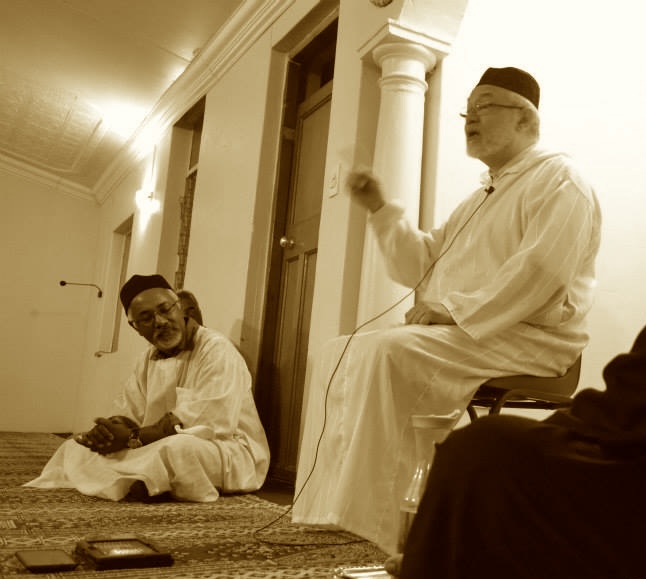
    Sh. Seraj Hendricks speaking on Al-Fātiḥah at Janet St. Mosque in Florida, Johannesburg. 3 Nov. 2013
    [Pic: Muavia Gallie]

    Surah Al-Fātiḥah, the Opening Chapter of the Quran, holds profound significance in Islamic practice. It serves as a fundamental prayer for guidance and mercy, recited in every unit of Muslim ritual prayer (ṣalāh). Known as the Mother of the Book, Al-Fātiḥa is essential for the validity of prayers, underscoring its central role in worship and belief. This is why it is also referred to as the Seven Oft-Repeated Verses.

    When I recite Al-Fātiḥah during my ritual prayers, I strive to focus meditatively on these seven verses. I recall an enlightening moment at a mosque in Johannesburg, Florida, where the late Shaykh Seraj Hendricks (may Allah’s mercy be upon him) shared a profound framework of the Quran. Drawing upon Al-Ghazali’s Mishkāt al-Anwār (The Niche of Lights), Sh. Seraj explained the duality of what is distant and what is near in the Quran.

    In Al-Fātiḥah, the first four verses describe Allah in the third person:

    • In the Name of Allah, the Entirely Merciful, the Especially Compassionate;
    • Lord of all the worlds;
    • The Entirely Merciful, the Especially Compassionate;
    • Sovereign of the Day of Judgment.

    These verses portray Allah The Sublime as transcendent and distant, beyond the cosmos. In contrast, the last three verses shift to a direct, intimate tone, addressing Allah in the first person:

    • You alone we worship, and You alone we ask for help;
    • Guide us on the Straight Path;
    • The path of those You have blessed, not of those who have incurred Your wrath or gone astray.

    This shift emphasises Allah’s closeness, inviting a direct connection between the worshipper and the Divine. 

    This interplay of distance and nearness is a recurring theme in the Quran. Across 222 verses, references to the heavens and the earth metaphorically depict this duality. Heavens often symbolise the vast, cosmic, or intellectual realm, while earth signifies human, emotional, and spiritual proximity. In another sense, the heavens represent the mind—distant and analytical—while the earth represents the heart, intimately connected to spirituality.

    Sh. Seraj also emphasised that these verses subtly address humanity’s role as vicegerents or stewards of God—khilāfatullah—and also as subordinated of God—ʿabdullah—in the universe and on earth. As Allah’s representatives, we are called to balance confidence with humility, leadership with servitude, and authority with submission in worship. This dual responsibility reminds us to rule with justice and compassion, always grounded in our devotion to and reliance on the Divine.


    Focusing on Al-Fātiḥah: A Personal Practice

    With this understanding, I now recite Al-Fātiḥah with a mindful dedication to different aspects of my being. Each verse resonates with a part of my body, mind, or soul:

    1. Bismillāhir Raḥmānir Raḥīm (In the Name of Allah, the Entirely Merciful, the Especially Compassionate)—dedicated to the right hemisphere of my brain, the seat of creativity and emotion.
    2. Al-Ḥamdu li-Llāhi Rabbi l-ʿĀlamīn (Praise be to Allah, Lord of all the worlds)—dedicated to my frontal lobe, responsible for reasoning and judgment.
    3. Ar-Raḥmānir Raḥīm (The Entirely Merciful, the Especially Compassionate)—dedicated to the left hemisphere, where logic and analytical thinking reside.
    4. Māliki Yawmid-Dīn (Sovereign of the Day of Judgment)—dedicated to the cerebellum, which governs balance and coordination.

    For the remaining verses, I turn to my heart:

    1. Iyyāka Naʿbudu wa-Iyyāka Nastaʿīn (You alone we worship, and You alone we ask for help)—dedicated to the heart’s ventricles.
    2. Ihdinaṣ-Ṣirāṭal-Mustaqīm (Guide us on the Straight Path)—dedicated to the central core of the heart.
    3. Ṣirāṭalladhīna Anʿamta ʿAlayhim Ghayri l-Maghḍūbi ʿAlayhim wa-Laḍ-Ḍāllīn (The path of those You have blessed, not those who incurred Your wrath or went astray)—dedicated to the atria of the heart.

    As I complete the recitation, I feel that Al-Fātiḥah integrates into my being—mind, body, and soul—lifting me spiritually. Allah Most High affirms this closeness in the Quran, “Indeed, We created humanity and fully know what their souls whisper to them, and We are closer to them than their jugular vein.” (Surah Qaf, 50:16).


    The Power of Words in Recitation and Reflection

    The act of reciting sacred words, like those of Al-Fātiḥah, carries profound significance. When we call out these words, we are not merely speaking; we are engaging in an act of connection, both with the Divine and with our innermost selves. Recitation transforms the abstract into the tangible, turning thoughts into vibrations that resonate in the air and within our being. In this way, the spoken word becomes a bridge between the physical and the spiritual.

    Equally important is the focus we bring to these words. In conversation, our attention to what we speak and how we speak reflects our intent and sincerity. This principle applies even more deeply in prayer, where concentration imbues our words with clarity and purpose. To recite mindlessly is to miss the essence of the act; to recite with focus is to align the body, mind, and soul in devotion.

    Contemplating or meditating on certain words allows their meanings to unfold in layers. Words like arraḥmān (Entirely Merciful) or ṣirāṭal-mustaqīm (Straight Path) are not static; they expand and deepen with reflection. This process not only enhances our understanding but also transforms our recitation into an ongoing dialogue with the Divine. Contemplation invites us to live these words, allowing them to shape our actions and our being.

    By calling out, focusing, and meditating on sacred words, we move beyond rote recitation into the realm of lived experience. This is where the power of Al-Fātiḥah truly lies—not just in its recitation, but in how it becomes a compass for our thoughts, a guide for our actions, and a sanctuary for our hearts.


    Al-Fātiḥah is a map and a mirror — a guide that walks with us. Whether spoken aloud, whispered in prayer, or traced silently in our hearts, its light enters every cell that listens.

    May our steps be straight.
    May our breath be mindful.
    May the One who is near, draw nearer still.

    Ameen.


    📚 You may also like…

    🔸 Hy Lyk Soos ’n Wolf
    A spiritual meditation on instinct, loyalty, and the sound of the heart behind the howl. Some names we inherit. Others we grow into.

    🔸 Tamat: A Sacred Completion, A Living Beginning
    A reflection on the weaving of remembrance and the sacred knot at the end of a Qur’an khatm — where endings become invocations for return.

    🔸 The Womb of Mercy: Unveiling the Secret of Bismillah
    Bismillāh as the gateway. A verse that holds a thousand worlds. A name that mothers every beginning.


    🎧 Watch the Companion Video

    To experience this reflection through voice, image, and sacred sound — watch the short video:
    👉 Between Distance and Closeness
    (A meditative recitation of Al-Fātiḥah with visual symbolism and breath)


    🌿 Final Note

    Al-Fātiḥah is not only recited — it is walked, embodied, and remembered.
    May each verse carry you closer to the One who is closer than your jugular vein.

  • The Ratib al-Haddad: A Symphony of Spiritual Resilience

    The Ratib al-Haddad: A Symphony of Spiritual Resilience

    The Ratib al-Haddad: A Symphony of Spiritual Resilience

    Close-up of hand holding Ratib al-Haddad booklet with black-and-white keffiyeh

    Introduction

    In the centuries-old Cape Muslim tradition, the Rātib al-Ḥaddād stands as a spiritual symphony. Its composer, Imam ʿAbd Allāh ibn ʿAlawī al-Ḥaddād, drew upon a Qur’anic verse known as the Verse that Faces Outward at the Rawdah of the Prophet ﷺ, giving it a protective resonance. This rhythmic litany unfolds like movements of a musical masterpiece, each moment drawing the heart closer to Divine presence. Inspired by Imam al-Haddad’s mission to guide believers through fear and trial, the Ratib remains a living masterpiece of faith.


    Movement I: The Prelude of Protection

    O you who fear, gather at the gate of forgiveness; Bismillah like a banner above your heart, Ayatul Kursi as your armour, verses of Baqarah as your shield. In this dawn of remembrance, let salawat fall on your lips like rain upon a thirsty earth, and trust flow through your veins until your soul is clothed in light. This is the first movement: a prayer of protection woven from the very breath of Revelation.


    Movement II: The Rhythms of Remembrance

    Subḥānallāh, transcendence like the sky’s endless horizon; Alḥamdulillāh, gratitude flowing through every breath; Allahu Akbar, awe striking the heart; Lā ilāha illallāh, unity beyond all boundaries. These dhikr, recitations, rise and fall like ocean waves, polishing the mirror of the heart until it shines with trust and surrender.


    Movement III: The Pulse of Tawhid

    Al Maʿbūd, meaning The Worshipped One, calls the believer to recite Lā ilāha illallāh fifty times, each repetition chiseling away fear and confirming pure oneness. It circles the heart like a crown of certainty. The three Quls stand as guardians, their verses sealing every crack against doubt. This movement is a fortress of tawhid, where the soul forgets every other reliance and trusts only Allah.


    Movement IV: The Prayerful Crescendo

    Duas rise like incense, interlaced with Al-Fātiḥa, each plea a petition for healing, protection, mercy, and light. The tongue becomes a river of hope, carrying the soul to a calm shore. Here the believer surrenders every burden, resting in the assurance that Allah is the One who hears and responds.


    Closing Invocations

    • Al-Fātiḥa on the soul of our master, our beloved, our intercessor, the Messenger of Allah, Muhammad ibn Abdillah, his family, his Companions, his wives, and all his noble household.
    • Al-Fātiḥa on the soul of our master al-Muhajir Ahmad ibn Isa and his descendants.
    • Al-Fātiḥa on the soul of our great teacher, the jurist al-Muqaddam Muhammad ibn Ali Ba Alawi and his lineage.
    • Al-Fātiḥa on the souls of our noble Sufi masters wherever they may be, east or west, that Allah may raise their ranks.
    • Al-Fātiḥa on the soul of the compiler of the Ratib, the Axis of Guidance, Abdullah ibn Alawi al-Haddad and his family line.
    • Al-Fātiḥa on the souls of all the pious servants of Allah, our parents, our teachers, those who have rights upon us, and the believers who have passed away in this land.
    Decorative cover design for Ratib al-Haddad Symphony in traditional Islamic style

    Cape Ritual Practice

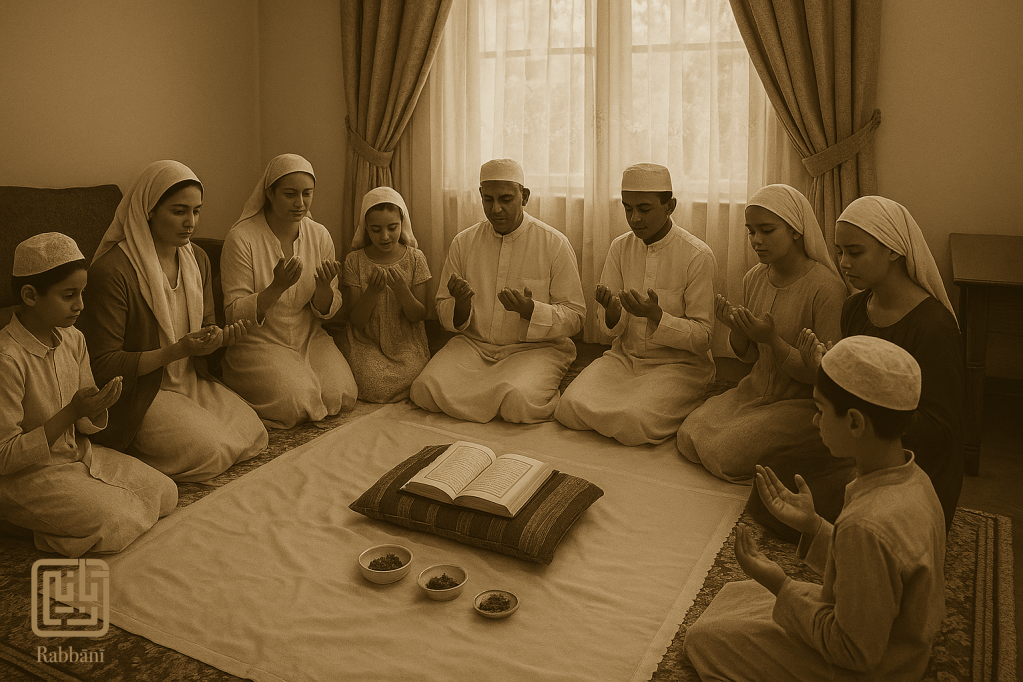
    In South Africa, especially in the Cape, families often recite the Ratib al-Haddad after a loved one passes away, beginning from the first night and continuing for seven nights, then gathering on the fortieth day, the hundredth day, and each year on the anniversary of the passing. The Ratib is also recited at birthdays, during Mawlud celebrations, generally every Thursday night, sometimes Sunday mornings, a week before weddings, at engagements (known as lambary), and at naming ceremonies (doekmal or doopmal). This tradition anchors the community in remembrance and prayers for all occasions of joy, transition, and remembrance.


    About Dhikr

    The term dhikr refers to remembering, remembrance, or reciting and chanting the names of Allah, specific prayers, or Qur’anic verses. It is a rhythmic practice that roots the soul in the Divine, and is central to the Ratib al-Haddad tradition.


    Individual or Group Practice

    The Ratib al-Haddad can be recited alone or in a group, with equal blessing. Allah says in the Qur’an: “And men and women who remember Allah often — for (all of) them Allah has prepared forgiveness and a great reward” (Quran 33:35). The Prophet ﷺ said: “People will not sit in an assembly in which they remember Allah without the angels surrounding them, mercy covering them, and Allah mentioning them among those who are with Him.”


    Decorative cover design for Ratib al-Haddad Symphony in traditional Islamic style

    Foundations

    The Ratib al-Haddad stands upon the firmest pillars of faith, a radiant string of pearls drawn from the Qur’an and Sunnah. It opens with the best Surah — Sūrat al-Fātiḥah, flows into the greatest verse — Āyat al-Kursī, affirms the Shahādah — the finest declaration of oneness, and continues with the enduring praises of al-Bāqiyāt al-Ṣāliḥāt. It includes the daily istighfār of the Prophet ﷺ, abundant ṣalawāt upon the Beloved ﷺ, and concludes with the dhikr by which Imām al-Bukhārī sealed his Ṣaḥīḥ.

    Composed in sacred sequence by Imām ʿAbd Allāh ibn ʿAlawī al-Ḥaddād — a noble grandson of the Messenger ﷺ — this Ratib is not merely a litany, but a luminous map of remembrance. It is a symphony of Qur’anic light and Prophetic rhythm, preserved across centuries as a living trust.

    And its resonance reached far beyond Ḥaḍramawt: both the Wird al-Laṭīf and the Ratib al-Ḥaddād were introduced and supported within the Harams of Makkah and Madinah under the patronage of Sultan Muḥammad IV of the Ottoman Empire (r. 1648–1687). This formal recognition affirms the Ratib’s deep-rooted legitimacy — not as invention, but as a distillation of the best of revelation, transmitted and treasured by the global Ummah.


    Ijāzah: A Living Trust of the Ratib

    For those who wish to benefit from the Ratib al-Haddad, we carry with us a sacred ijāzah — a scholarly and spiritual transmission — conveyed through four chains (asanīd) that reach back to the Composer of the Ratib, Imām ʿAbdullāh ibn ʿAlawī al-Ḥaddād**, may Allah sanctify his soul.

    Shaykh Jamiel Abrahams writes:

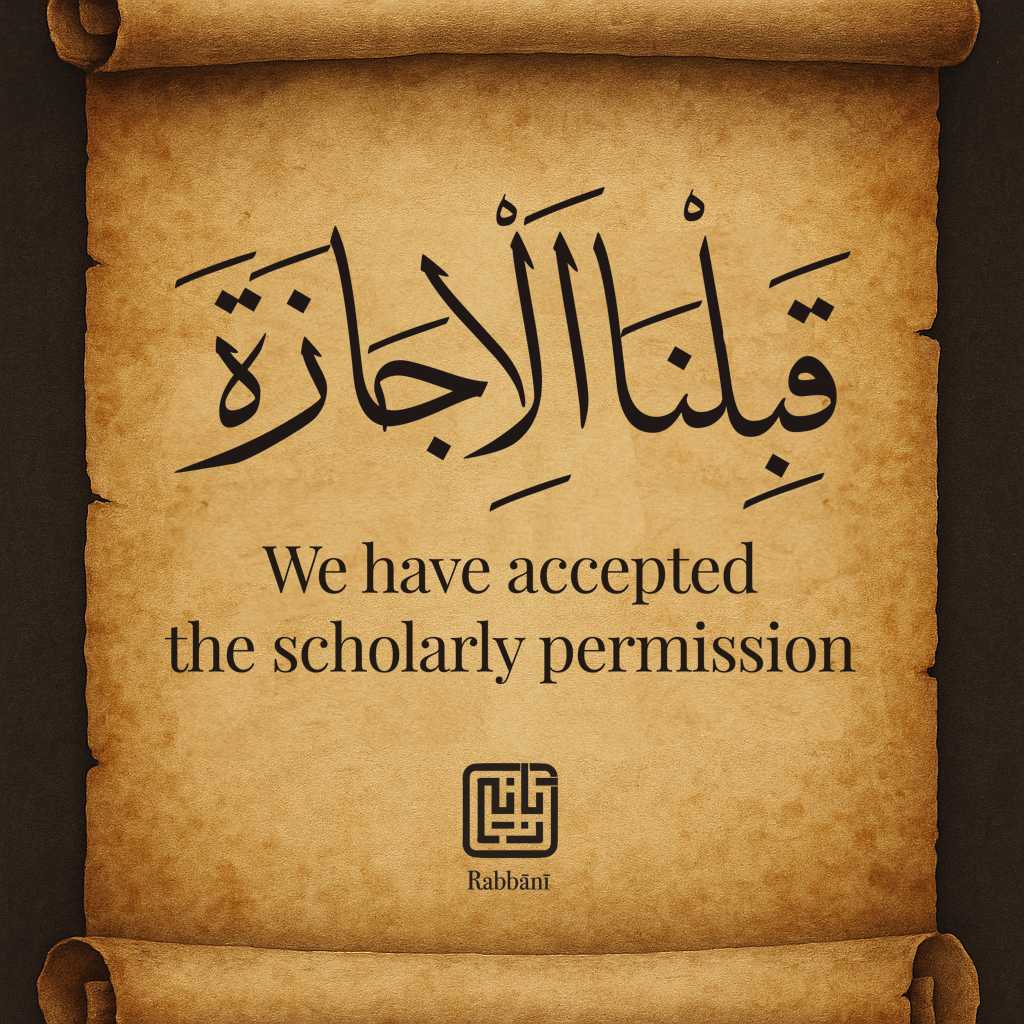
    “Ijāzah for those who wish to benefit from the four asānid to the Composer of the Ratib… Say: Qabilnā al-Ijāzah — ‘We have accepted the scholarly permission to recite the Ratib of Imām al-Ḥaddād.’”

    “We say Composer, not Author — for the adhkār are drawn from the finest pearls of the Qur’an and the most radiant lights of the Prophetic Sunnah.”

    This ijāzah is not just scholarly — it is a living trust passed down through centuries of remembrance. To receive it is to stand in the river of continuity, with the awliyāʾ and scholars who preserved this path of dhikr through love, hardship, and sincerity.

    And as for those who label such remembrance a bidʿah

    رَغِمَ أَنْفُ مَن صَرَّحَ بِأَنَّهَا بِدْعَةٌ
    “May the nose be rubbed in dust of the one who declares it an innovation.”

    Let the river flow. Let the remembrance remain. And let every breath that utters His Name be a proof of mercy, not division.


    My Personal Ijazah

    This symphony carries my own transmission: an ijāzah granted by Zaid ibn Umar to me, Adli ibn Ibrahim, written in his own hand, linking me to the chain of Imam al-Haddad. That blessing lives within every note of this symphonic meditation, reminding me of the trust, humility, and sacred responsibility that this heritage confers. This ijazah is more than a note: it is a living chain, a breath carried from master to student across centuries, reaching back to Imam al-Haddad and forward into my heart. It binds me to the rhythm of this Ratib as if to a heartbeat, reminding me to hold it with care, reverence, and gratitude, so its protection and blessing might continue to resonate for future generations.


    Historical Echoes

    The Ratib was recited by enslaved Muslims at the Cape as a shield of hope and protection during times of oppression, helping them hold fast to faith. Generations later, it became a spiritual companion for many who resisted apartheid, its verses reminding them of divine justice, courage, and unity against all forms of tyranny. It is said that in the darkest nights of slavery at the Cape, the Ratib became a quiet liberation, whispered in hidden corners. Its rhythms reminded believers they were still seen by Allah, still dignified. During the anti-apartheid struggle, activists turned to these same verses, finding courage and calm as they faced injustice, with the Ratib a spiritual sword against oppression and despair.


    Conclusion

    From Yemen to the Cape, from ancient gatherings to modern hearts, the Ratib al-Haddad remains a living breath of resilience and unity. Its movements still guide communities to remember Allah, to stand together in hope, and to place trust in Divine mercy across the centuries. Like a living river, its currents still flow, nourishing communities with remembrance and calling them to a higher trust in Allah’s mercy. Imam al-Haddad, inspired by the symbolism of the Verse that Faces Outward, wove its spiritual meanings into the Ratib, transforming it into a shield that echoed both the Prophetic sanctuary and the everyday lives of worshippers from Yemen to the Cape.

    Family reciting Ratib al-Haddad together on white linen with pillows and Qur’an

    May its verses guard every heart, and may its blessings gather our children and their children into the same ocean of divine love, until the final day.


    You Might Also Like These Cape Memories

    ✨ Scroll of the Sorbaan & Medora – Worn in Sound, Washed in Meaning
    Exploring the sacred cloths and their living resonance.

    ✨ The Verse That Faces Outward
    A glimpse into the calligraphic verse guarding the Rawdah.

    ✨ Hy Lyk Soos ’n Wolf: The Sorbaan and the Teacher Who Raised Me
    A tribute to a teacher’s quiet strength and Cape heritage.

    ✨ Tamat: A Sacred Completion, A Living Beginning
    The meaning of tamat in Cape Qur’an recitation tradition.

    ✨ From Chains to Qur’an: The Cape’s First Pilgrim and My Bloodline
    Tracing the story of Cape Islam through my family’s journey.


    Coming Soon

    ✨ The Grandmothers Who Raised the Qur’an — celebrating Cape matriarchs who preserved Qur’anic recitation.

    ✨ Echoes of Arafah: Pilgrim Voices from the Cape — reflections from local hujjaj returning with spiritual stories.

    ✨ The Kramats: Guardians of the Cape — the circle of Cape saints who protect and inspire.

    ✨ Barakah Before Business: The Forgotten Blessing — Cape Muslim traders and their rituals before opening shop.

    ✨ The Secret of Rampies Sny — unveiling the Cape’s scented floral traditions linked to dhikr gatherings.