Tag: Rafiq al-Bunduqia

  • The Stormborne Sisters: A Karoo Creation Tale

    The Stormborne Sisters: A Karoo Creation Tale

    The Stormborne Sisters: A Karoo Creation Tale

    Introduction

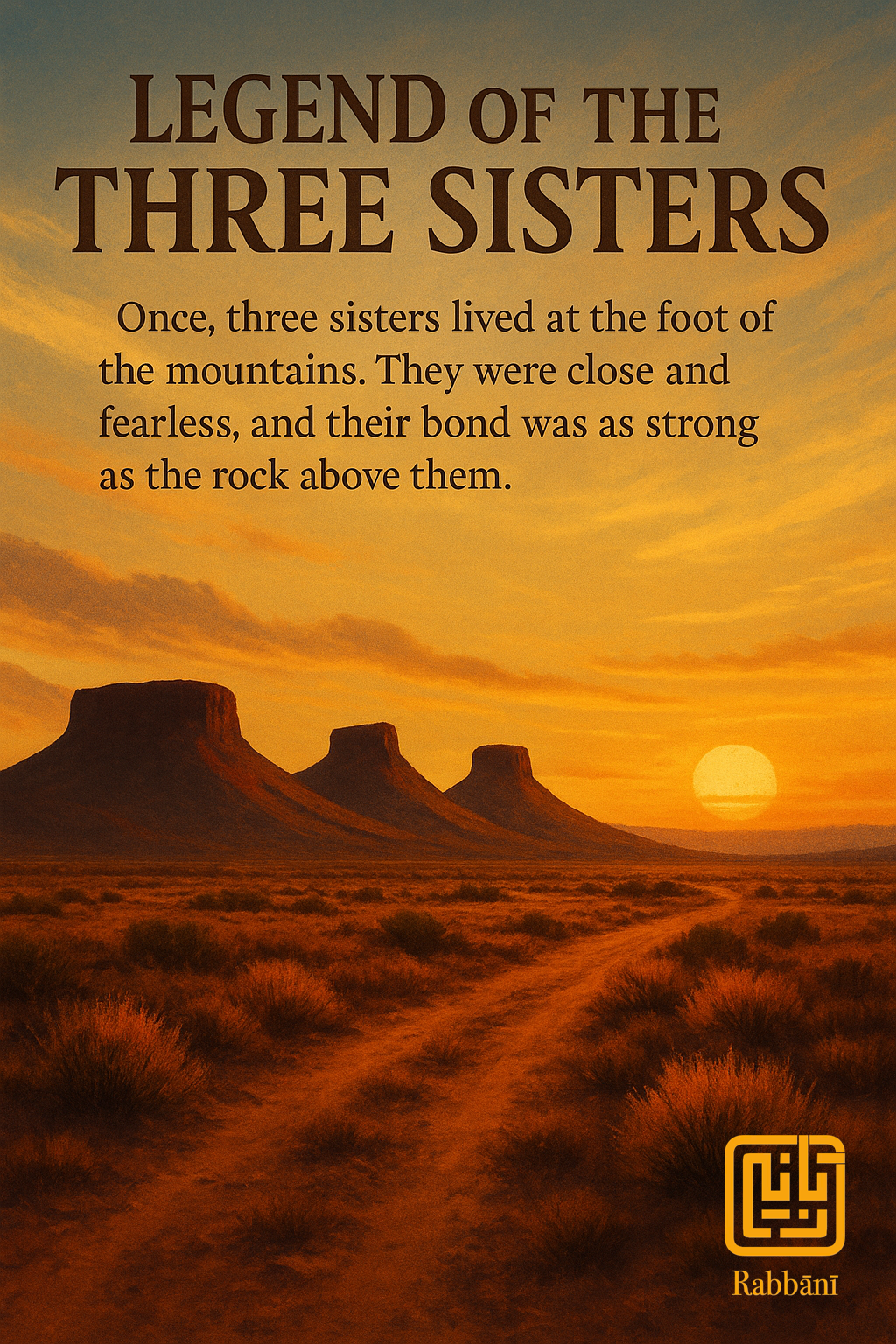
    In the heart of the Karoo, between silence and stone, stand three koppies known simply as the Three Sisters. But long before GPS and road signs, they were not just hills. They were memory, myth, and warning. This is their story — reworked, reimagined, and returned to light.

    The Legend

    In the time before breath, before bone, before the Karoo knew its name, there were storms. Not of rain, but of voice — wild, furious, generative. From these storms came three daughters of wind and flame.

    Hurricane was the eldest. She spun slowly, singing in deep spirals, her voice the ocean’s moan. She remembered everything.

    Tornado was the dancer. Sharp. Fast. She carved paths through time, her tongue flashing with lightning.

    Desert Storm was the dream-weaver. She painted clouds, shifted shapes, left frost on mountaintops and fire in valleys.

    One night, a celestial body tore across the sky — a comet called Naariq, the Thirstbreaker. It did not destroy. It wept.

    Its tears fell like molten glass, planting seeds that bloomed into crystalline gardens. These gardens sang. They hummed the dreams of stars, mirrored the fears of jackals, held the footsteps of those yet born.

    But the land cracked again. And the sisters knew: it was time to become stone.

    So they stood, side by side, and let the wind turn them solid. The Karoo opened her chest, and from it rose three ribs — the Three Sisters.


    Poems of the Three Sisters

    HURRICANE – The Elder, Memory-Keeper
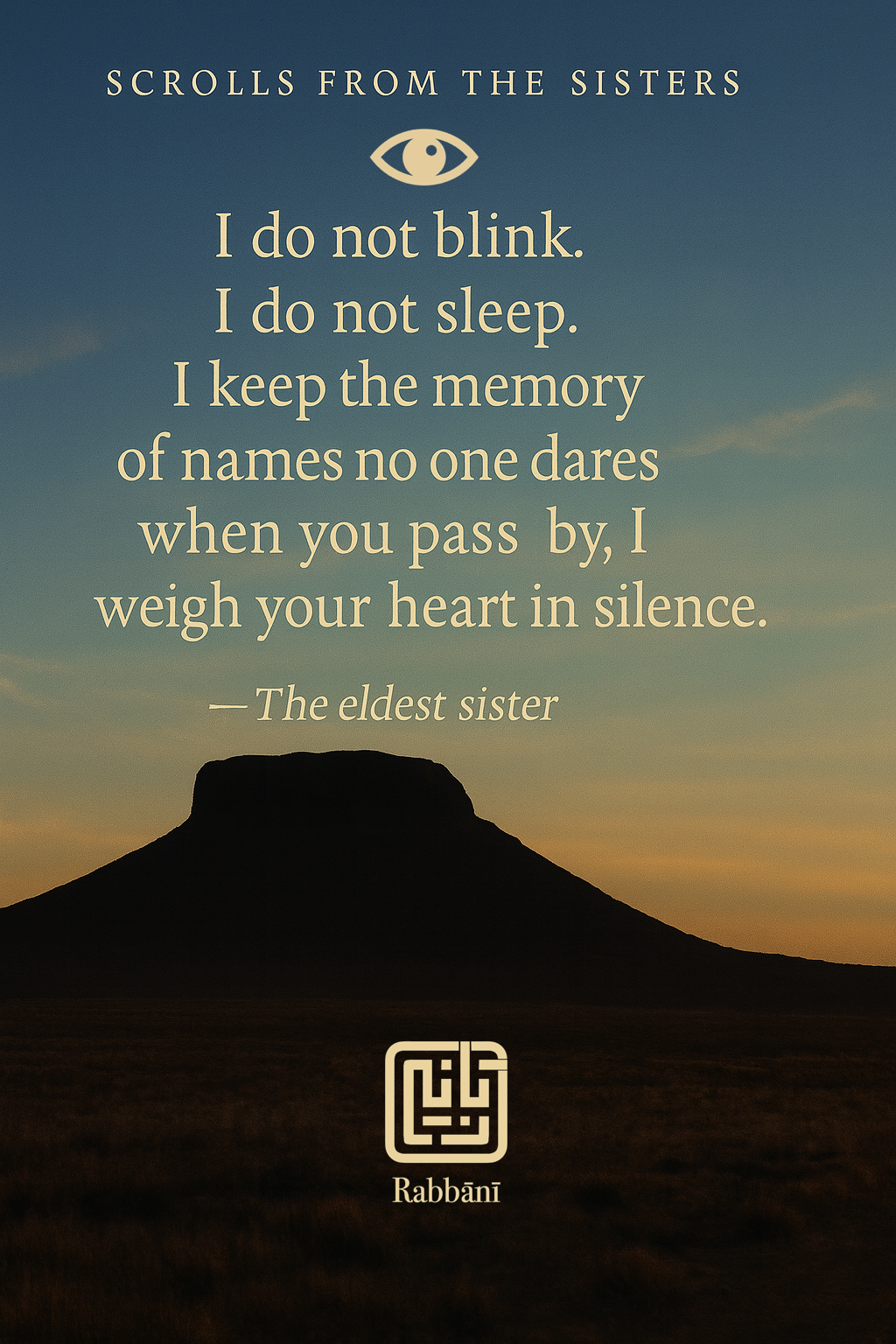
    They called her Old Spiral,
    whose eyes held the sea’s sorrow.
    She sang in slow thunder,
    turning grief into guidance.
    From her lips, the language of whales.
    From her fingers, the first maps.
    When she wept, rivers returned.
    When she stood still, wind found its compass.
    Memory wrapped her like a shawl.
    She never forgot the beginning —
    nor the names of the drowned.


    TORNADO – The Wild Dancer, Blade of Time
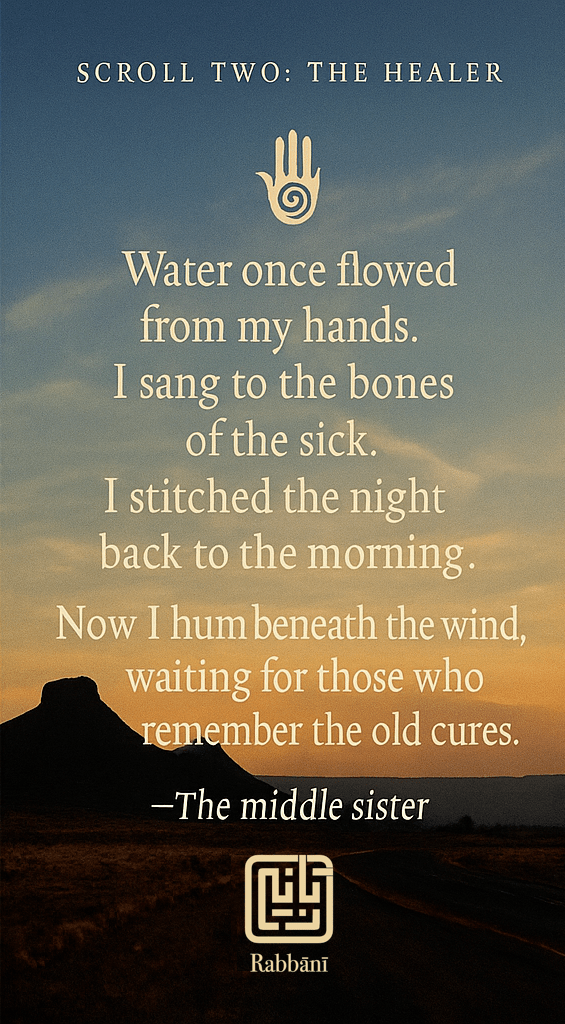
    She moved like a question unasked.
    A flicker, a flame, a flash in the eye.
    Children say she could bend time’s neck,
    turning past into present with one step.
    She wrote her name on cliff faces,
    carved warnings into baobab bark.
    When Naariq came, she was the first to rise.
    Not to fight — but to dance so fiercely
    the sky itself split to watch.
    She whirled until stars blurred —
    until history collapsed into dust.


    DESERT STORM – The Shapeshifter, Dream-Weaver
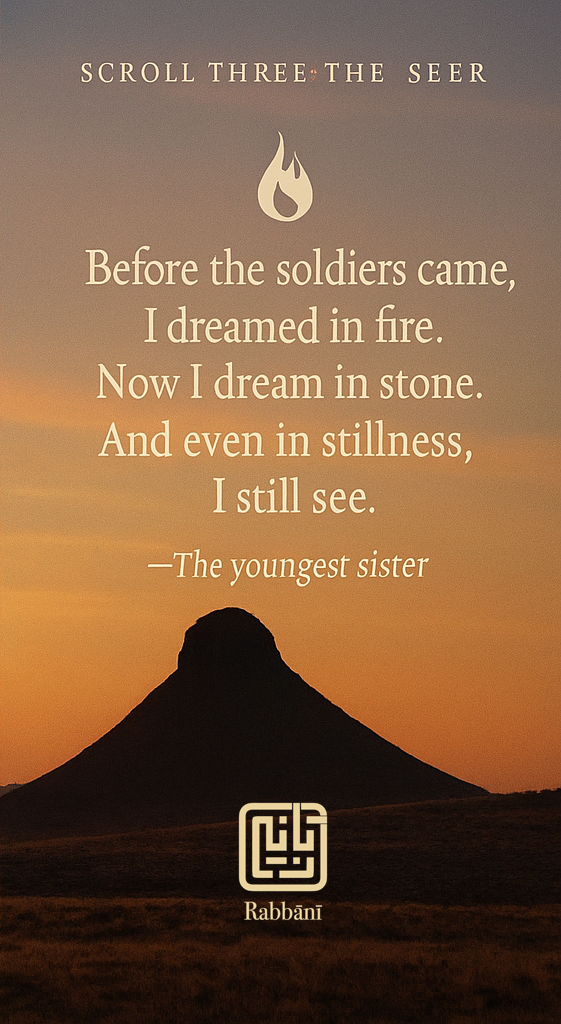
    Cloud painter, frost bringer,
    the last to speak and the first to vanish.
    She hid her name in jackal cries,
    in mirages that teach the thirsty to pray.
    Her gift was silence that heals.
    Snow in summer. Rain in song.
    She once kissed a comet so gently
    it forgot to burn.
    And when the sisters turned to stone,
    it was she who shaped their spines.
    They say she still walks the salt pans —
    barefoot, barefoot, barefoot…


    2. 🌠 Who (or What) Is Naariq?

    Let’s not make Naariq a flat villain. Let’s make him:

    • cosmic disruptor, yes — but also a catalyst.
    • A comet not sent to destroy, but to test the world’s memory.
    • He weeps. He plants crystal seeds. But his very arrival unravels time, thirst, and story.

    Naariq, the Thirstbreaker

    Not enemy. Not saviour.
    A comet born of forgotten prayers.
    He wept not because he was sad —
    but because he remembered water.
    Where he passed, memory frayed.
    Desire bloomed like wildfire.
    He brought seeds of crystalline dream —
    and the sisters, too strong to fall for gold,
    chose stone instead.


    The Vanishing

    When Naariq came — streaking across the Karoo sky like a blade of thirst —
    the world stilled.
    People ran. Wells dried. Time folded.

    But the sisters did not flee.

    They stood in silence, facing the comet’s weeping light.
    They did not strike, nor speak.

    They absorbed him.

    His heat. His ache. His longing. His memory of galaxies.

    And when the light faded, there were no bodies left.
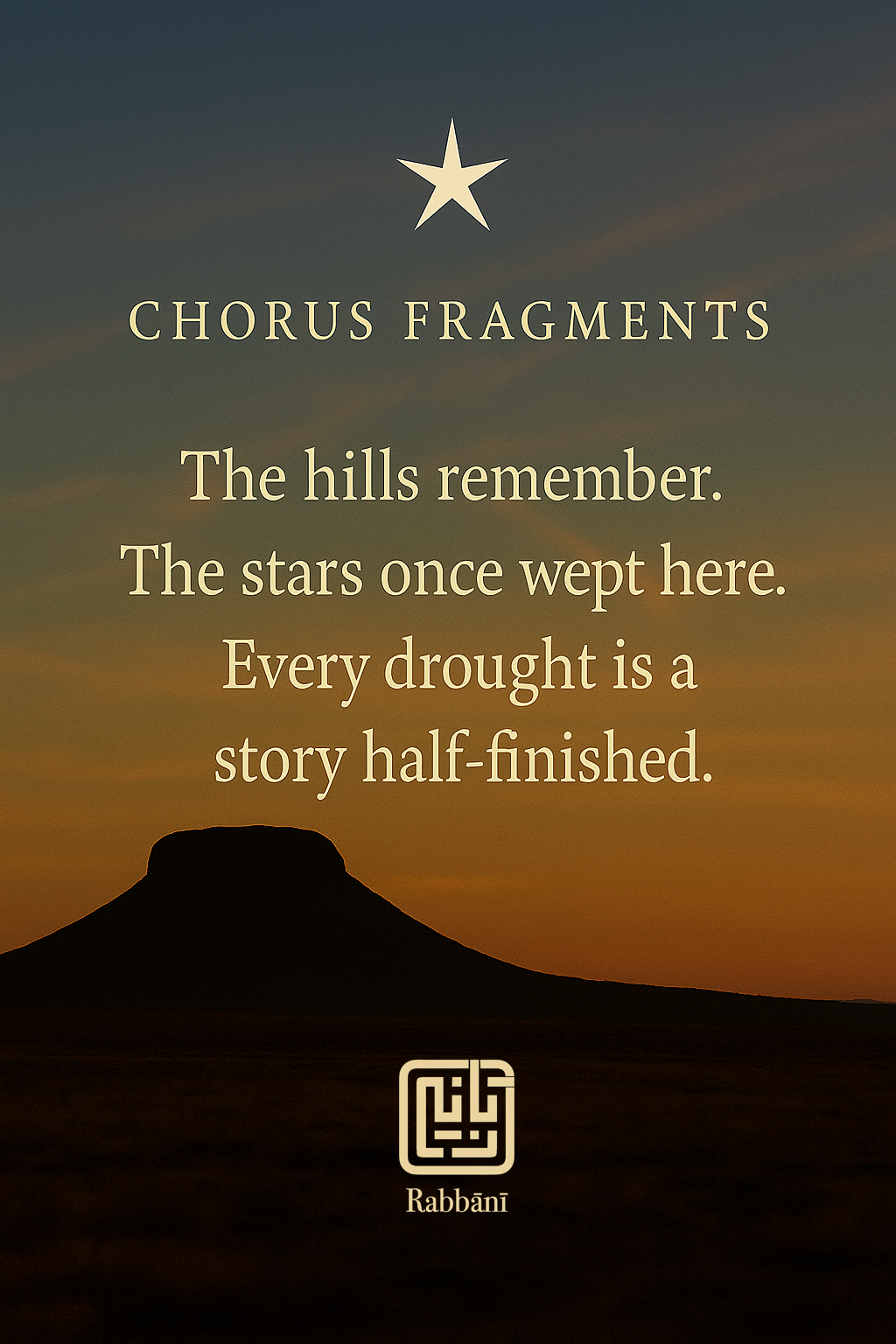
    Only three dark hills, humming softly at dusk.

    That is why the koppies sing.
    Because they carry Naariq inside them.
    Because silence is the only song strong enough to hold fire.

    The Return

    A child stands at the foot of the middle hill. She thinks she hears thunder. But there are no clouds. Only wind. And her grandmother’s voice returning in the rustle of dry grass…


    Closing Reflection

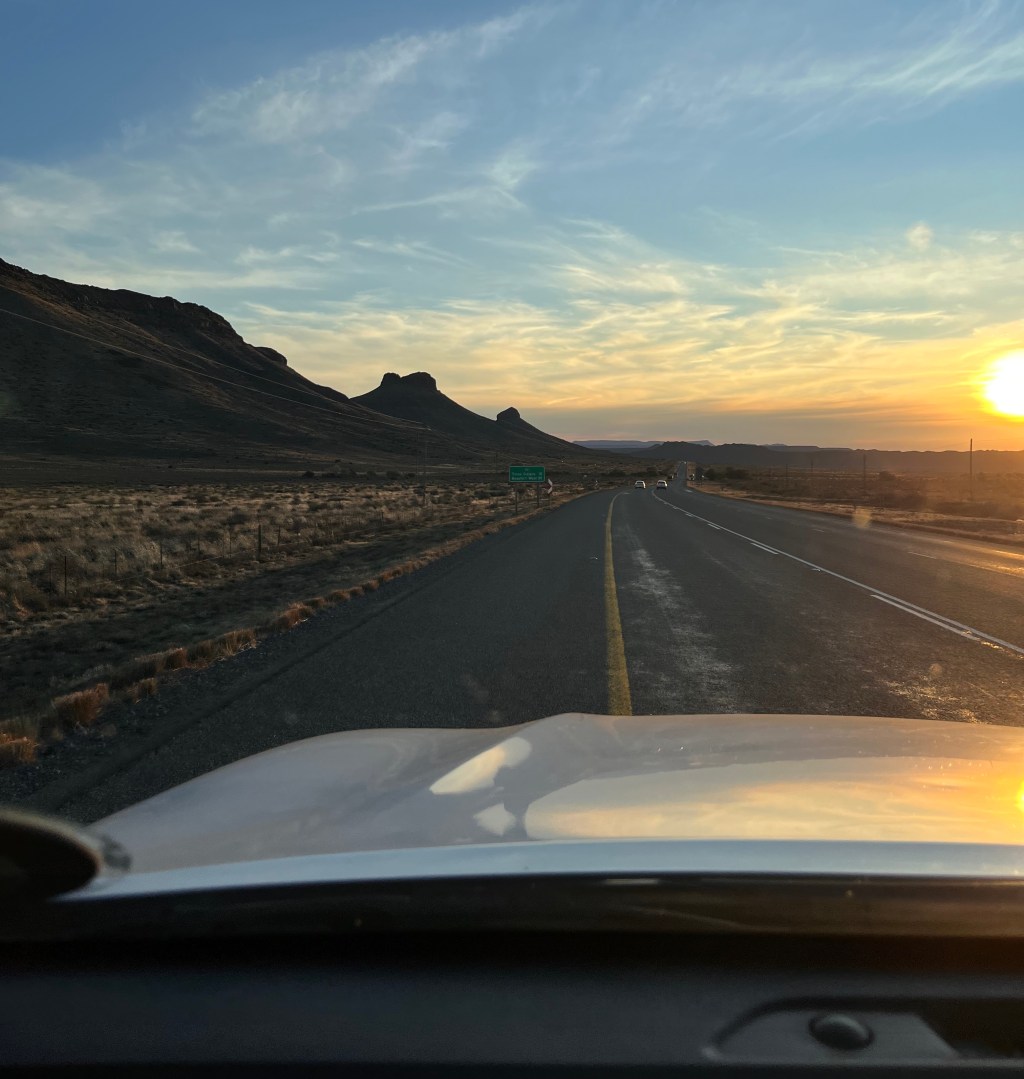
    Today, travellers speed past on the N1, barely glancing. But those who pause — those who walk into the wind — may still hear the Sisters speak.


    Author’s Note

    This is one of many Cape myths whispered through stone and silence. As part of the Rafiq al-Bunduqia & Rabbānī scrolls, I offer it not as a fixed legend, but as a companion to your own remembering.
  • Before Three Sisters: A Road Interrupted, A Heart Opened

    Before Three Sisters: A Road Interrupted, A Heart Opened

    Before Three Sisters: A Road Interrupted, A Heart Opened

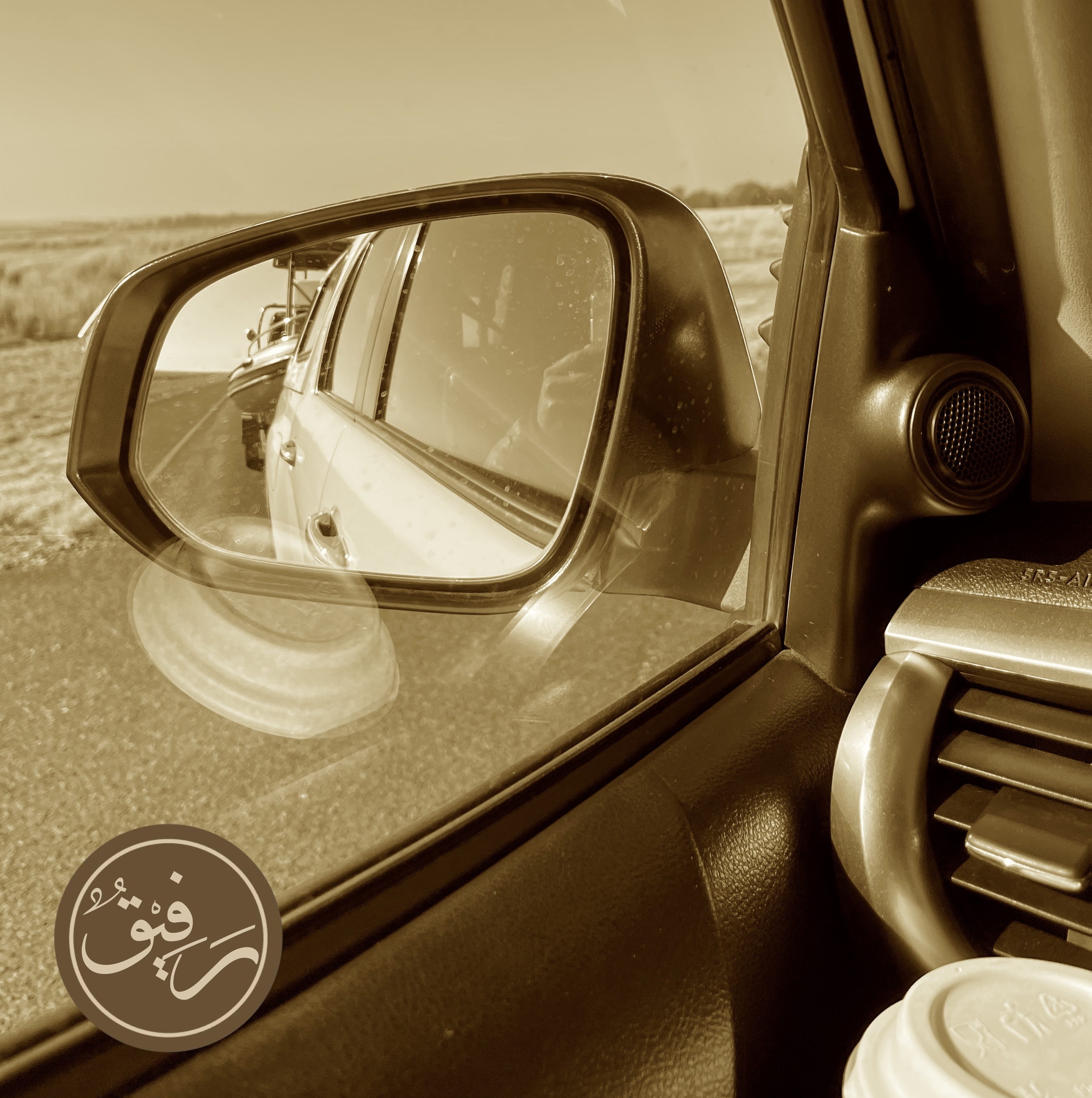
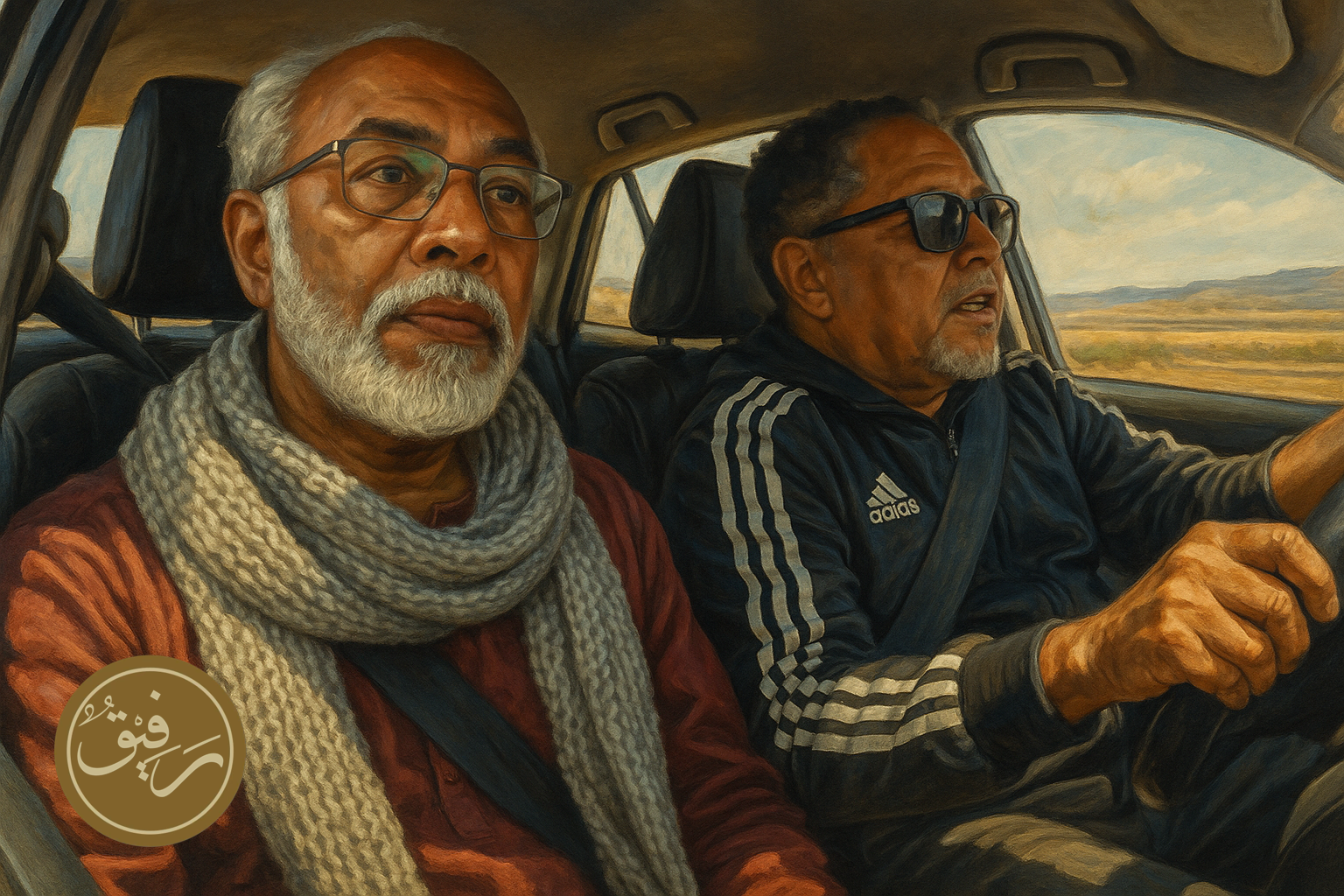
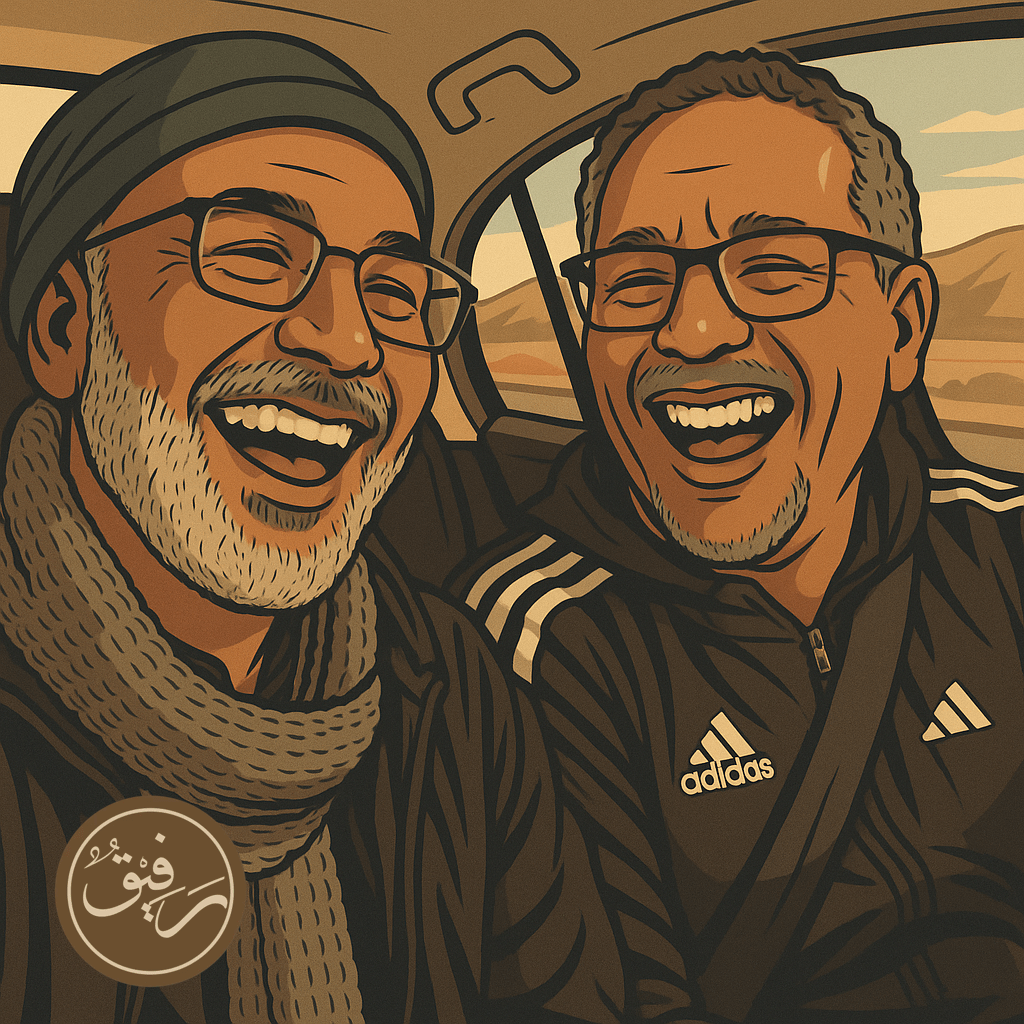
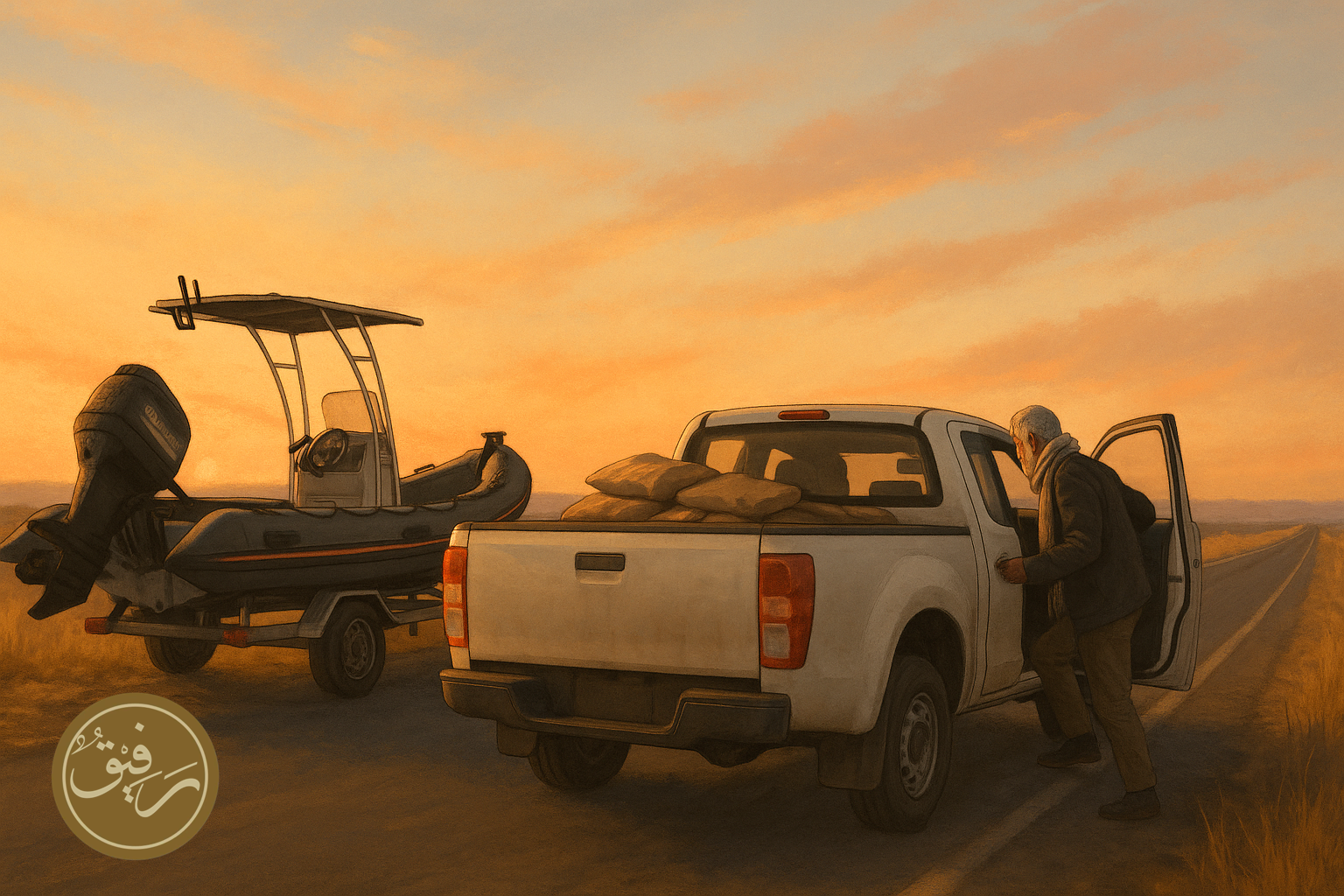
    We left Johannesburg in the early light, bound for Worcester — a journey that would return me not only to a familiar valley, but to a story still unfolding. I climbed into Deem’s bakkie at 6:20am. The air was still soft with sleep, but the weight we carried was real — a dinghy boat hitched behind us, and cement bags packed into the back to balance the load. Deem was heading to the Cape for another transport run, as he often did — ferrying cars, boats, bakkies, golf carts, whatever needed moving.

    He kept it steady, slow — 80 to 90 km/h. The road hummed low. We started talking.

    Mostly about our children.

    His sons, his daughter. Now grown. Their paths, their beliefs, the choices they were making in a complicated world.

    “I worry, bru,” he said. “About their Islam… their qibla.”

    I nodded. And gently shared my own truth:

    “We’ve already planted the seeds, Deem. Madrasa, school, life. The goodness is wired in. They’ll find their way to the Divine — maybe not how we imagined, but still. They’ll find it.”

    We sat in that silence — the kind that listens.


    Faried and the Detour

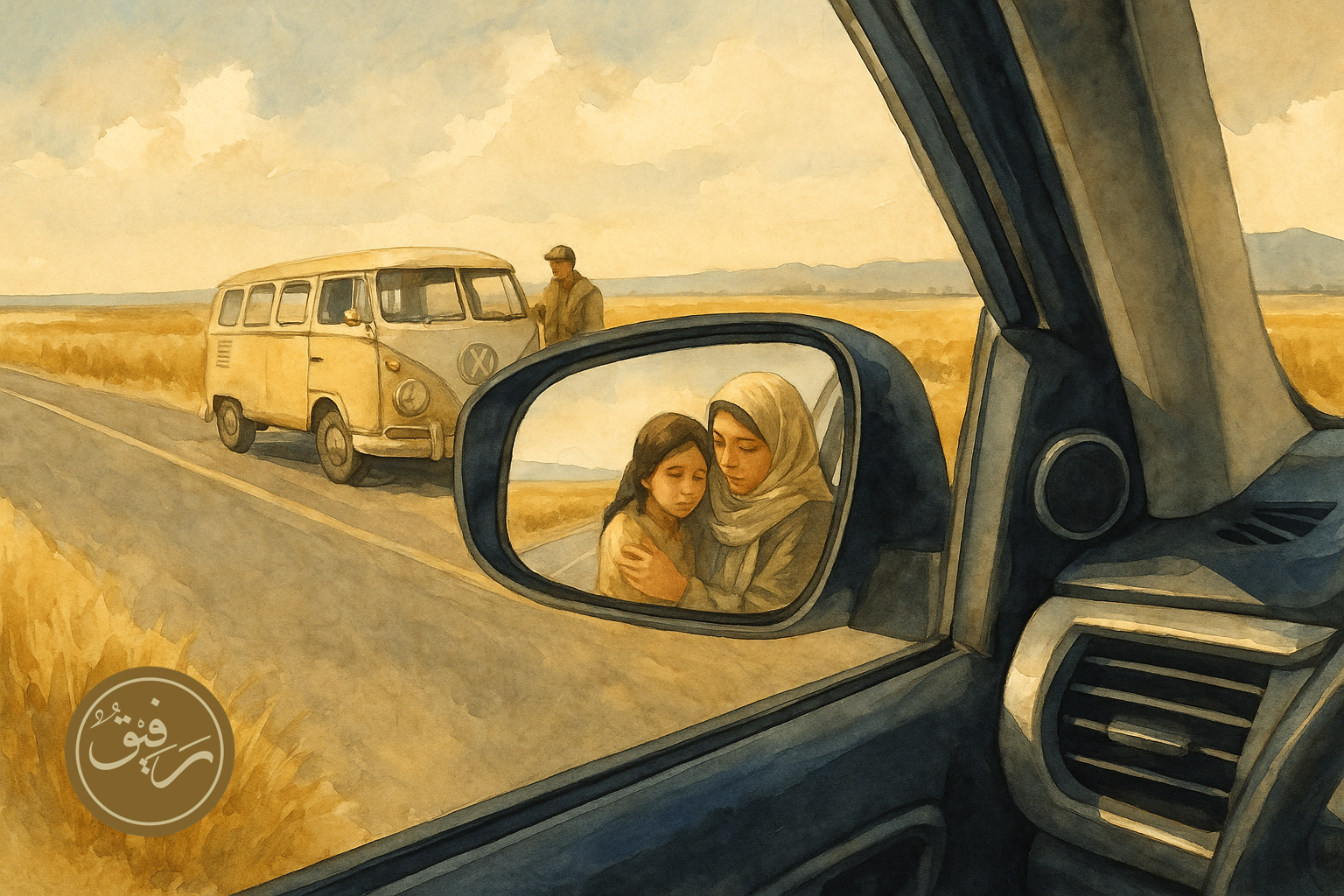
    Just before Three Sisters, Deem got a message. A friend of his, Faried, had broken down with his family. We rerouted.

    And just like that, our quiet bakkie became a car of five — Faried, his wife, and their daughter now in the back seat. I stayed quiet. This wasn’t my space to speak.

    But something had shifted. The stillness that had carried us through the early part of the journey made way for the unexpected warmth of company, for laughter, for memory. What had begun as a private ride between two companions was now a shared passage — a reminder that some roads widen not with tar, but with presence.

    The wife was chatty, warm, full of stories. She and Deem started talking about Deem’s drivers. One in particular: Archie.

    “Archie’s solid,” she said. “Kaaps, maar sharp. Always shows up.”

    A few kilometres down the line, just past Beaufort West, almost in Worcester, Deem turned to me and asked:

    “You know what Archie’s real name is?”

    I smiled.

    “My eldest brother — Allah yarhamu — was Fuad. But everyone called him Archie. So… is he also Fuad?”

    Deem laughed.

    “Nai bru… his real name is Abdul Qahhar.”

    We both burst out.

    “Qahharjie becomes Archie! Allah!”


    The Bend in the Road

    The road narrowed into the Hexrivier Valley. Dark by then. But not empty. The headlights caught a curve.

    “You see that corner?” Deem said.

    And then he told me:

    His father — Omar, also known as Amie, known to my kids as Dada — once took that very bend too fast. Racing from farm to farm, moving fish, goods, deals. He missed the turn. His bakkie flew into the river. He survived. And fished out his own worker, too.

    “I was a laaitie then,” Deem said. “But every time I pass this spot, I remember. Dada was tough. A real survivor.”

    I stayed quiet. Because what do you say when the road opens memory like that?


    To Worcester, With Love

    And then, as the road opened wider and the mountains made way for valleys known in name and marriage, I found myself returning not just to a place — but to the people and stories who made that place feel like mine.

    Worcester wasn’t just a destination. It was memory incarnate.

    When I married Sadia, I stepped into her family’s legacy — the Fakiers and the Majieds. Worcester was theirs. Her childhood. Her community. Later, her battleground — she became a unionist, fighting for dignity across these valleys.

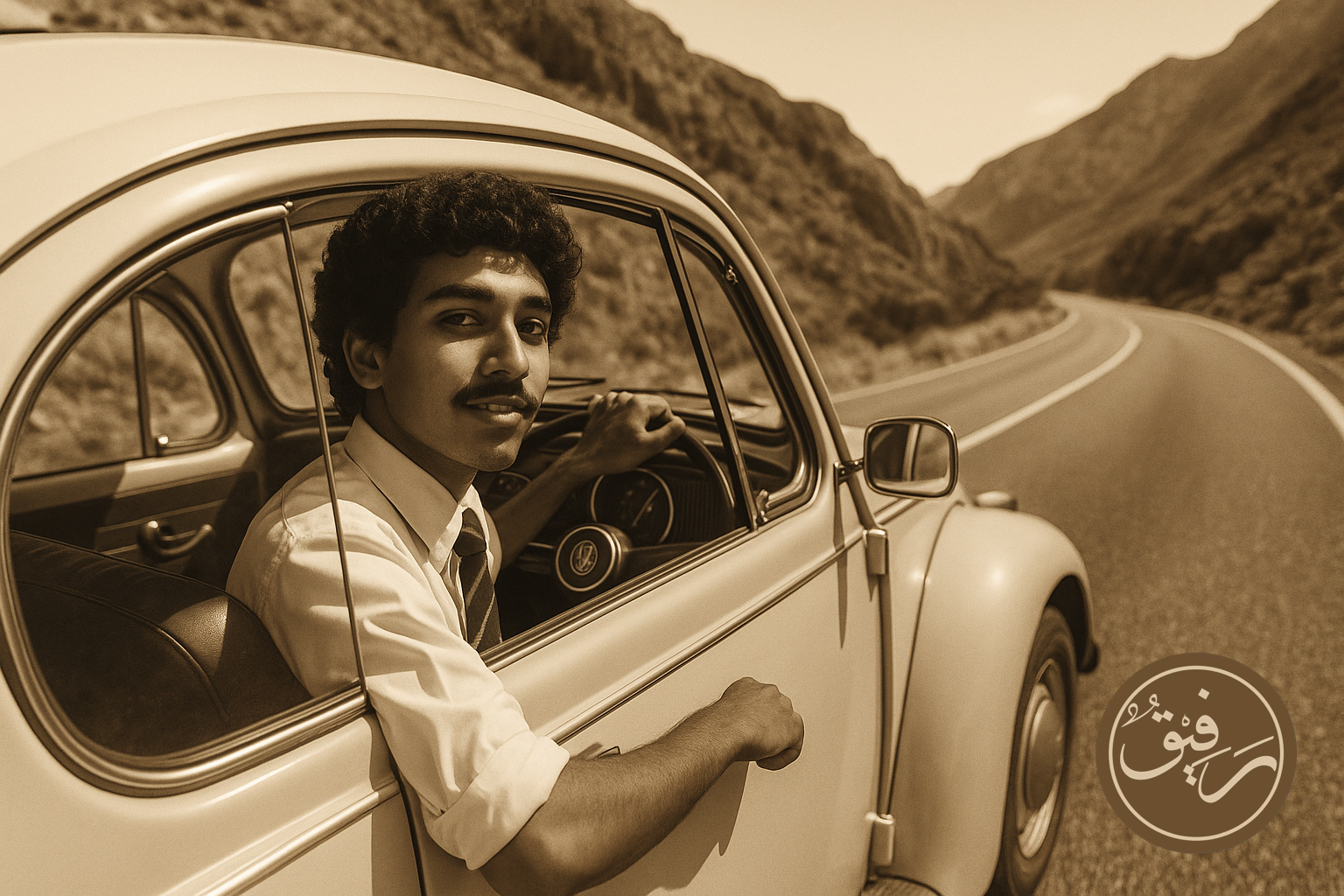
    Back when I was still courting her, I’d drive my light blue VW Beetle 1400 — my first car, bought from Deem — all the way from Cape Town to Worcester and back. About 120 kilometres each way. For love.

    So that night, when we came through the final bend, the boat still hitched behind us, the road folding into familiar curves… I realised:

    This wasn’t just a road trip. This was return.

    To family. To love. To the people who carried us before we even knew their names.


    Closing Blessing

    As Shaykh Jamiel Abrahams said, in response to this journey:

    “Many a person with shaggy and dusty hair, dusty and driven away from doors… if he was to call on Allah ﷻ, Allah would surely answer.”

    Some roads answer us back. Even in silence. Even before Three Sisters.

    And maybe, if you’ve followed this far, it means you too have travelled one of those roads — or carried its dust in your shoes.

  • The Garden of Words

    The Garden of Words

    The Garden of Words

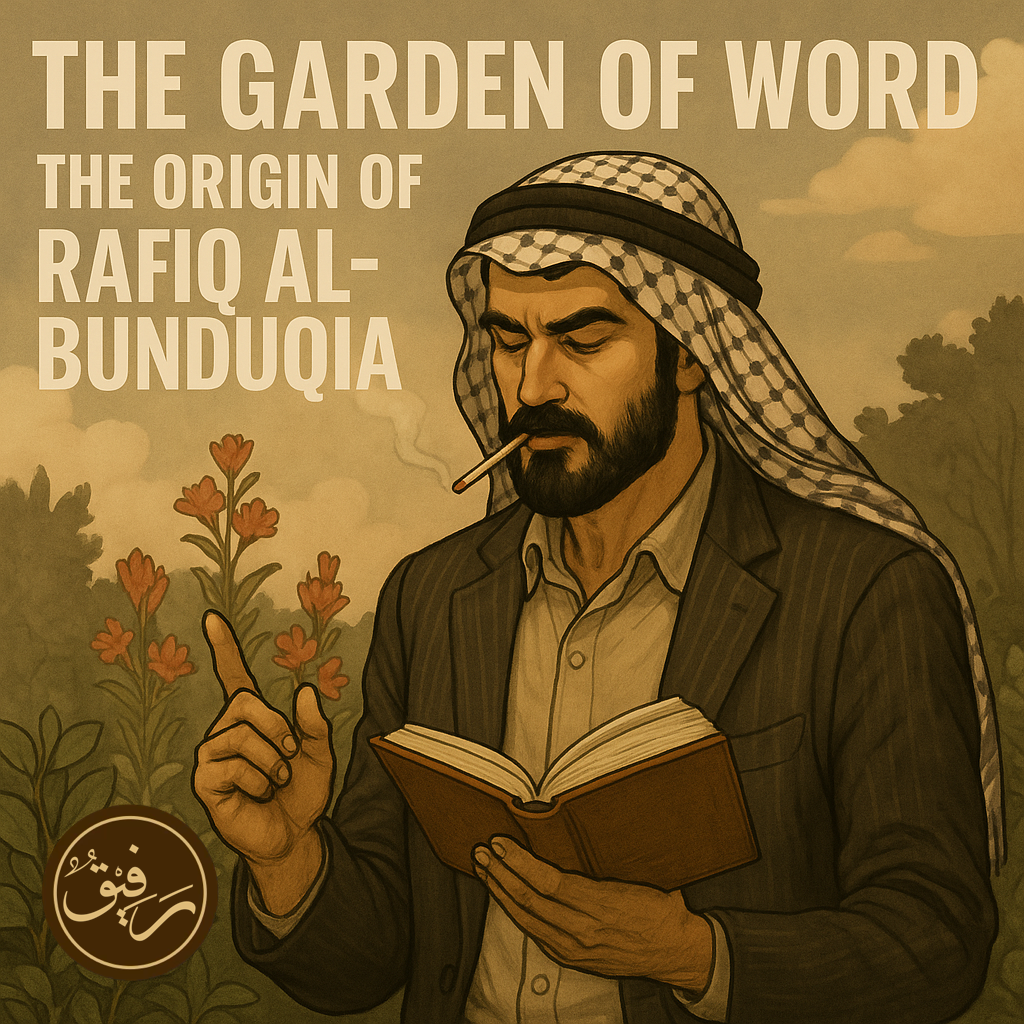
    The Origin of Rafiq al‑Bunduqia

    Before there were scrolls, there was silence.

    Before the baseball cap, the side-eye, and the wisecracks,
    there was something softer — a garden.

    Not of vegetables or vines, but of words:
    words whispered, weathered, watered by prayer.

    I wrote this piece years ago as a meditation on growth, loss, and language.
    Only now do I realise:
    this garden was the soil that gave us Rafiq al‑Bunduqia —
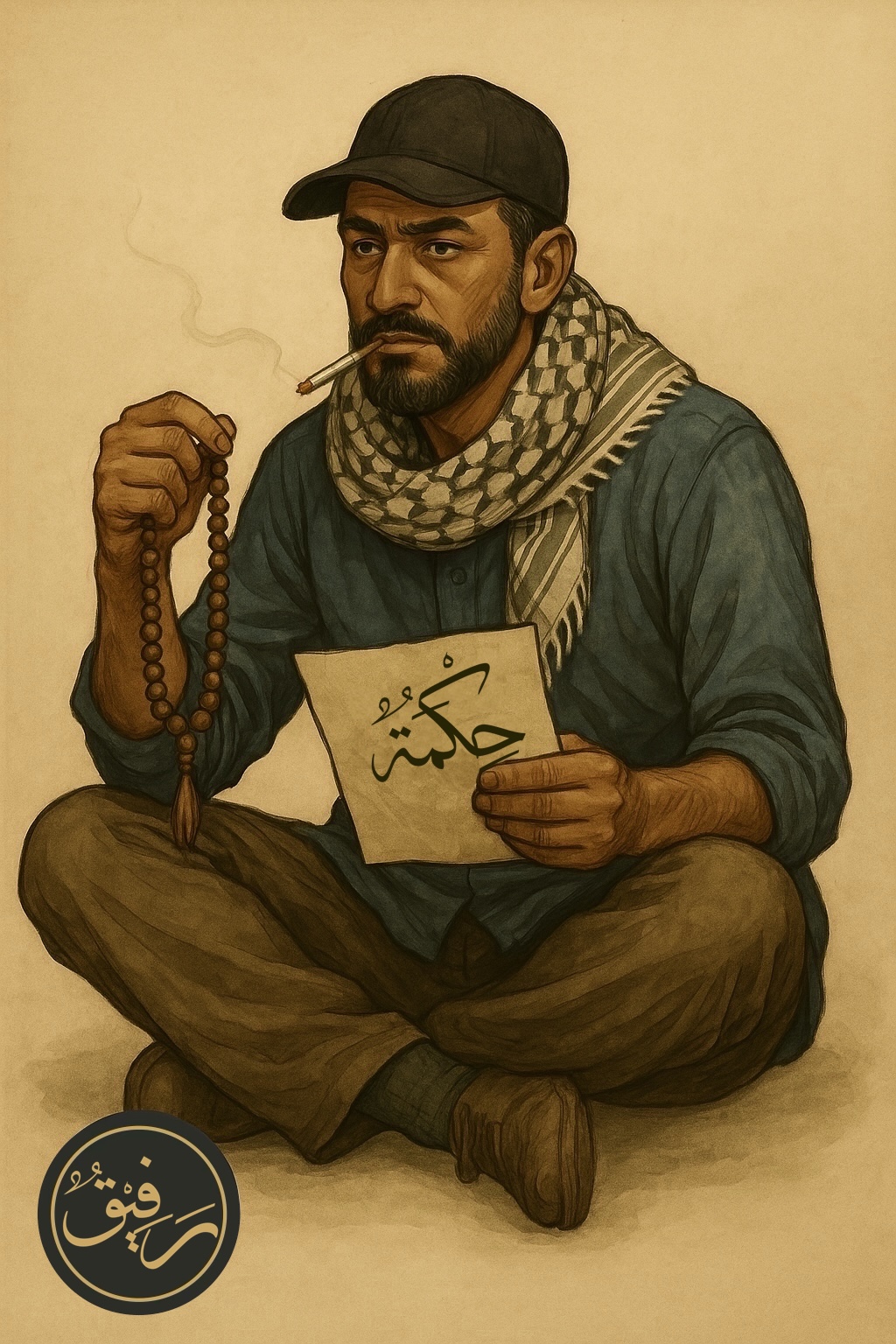
    the companion of pause, the superhero of syntax, the witness in the passenger seat.

    🌱 Introduction

    Not all heroes crash through walls.
    Some sit beside them and ask, “Who built this?”

    He doesn’t leap tall buildings.
    He takes long pauses.

    His name is Rafiq al‑Bunduqia.
    Shotgun companion.
    Keeper of silences.
    Superhero of the word.

    This is his origin scroll.


    📜 1. A Garden, Once Planted

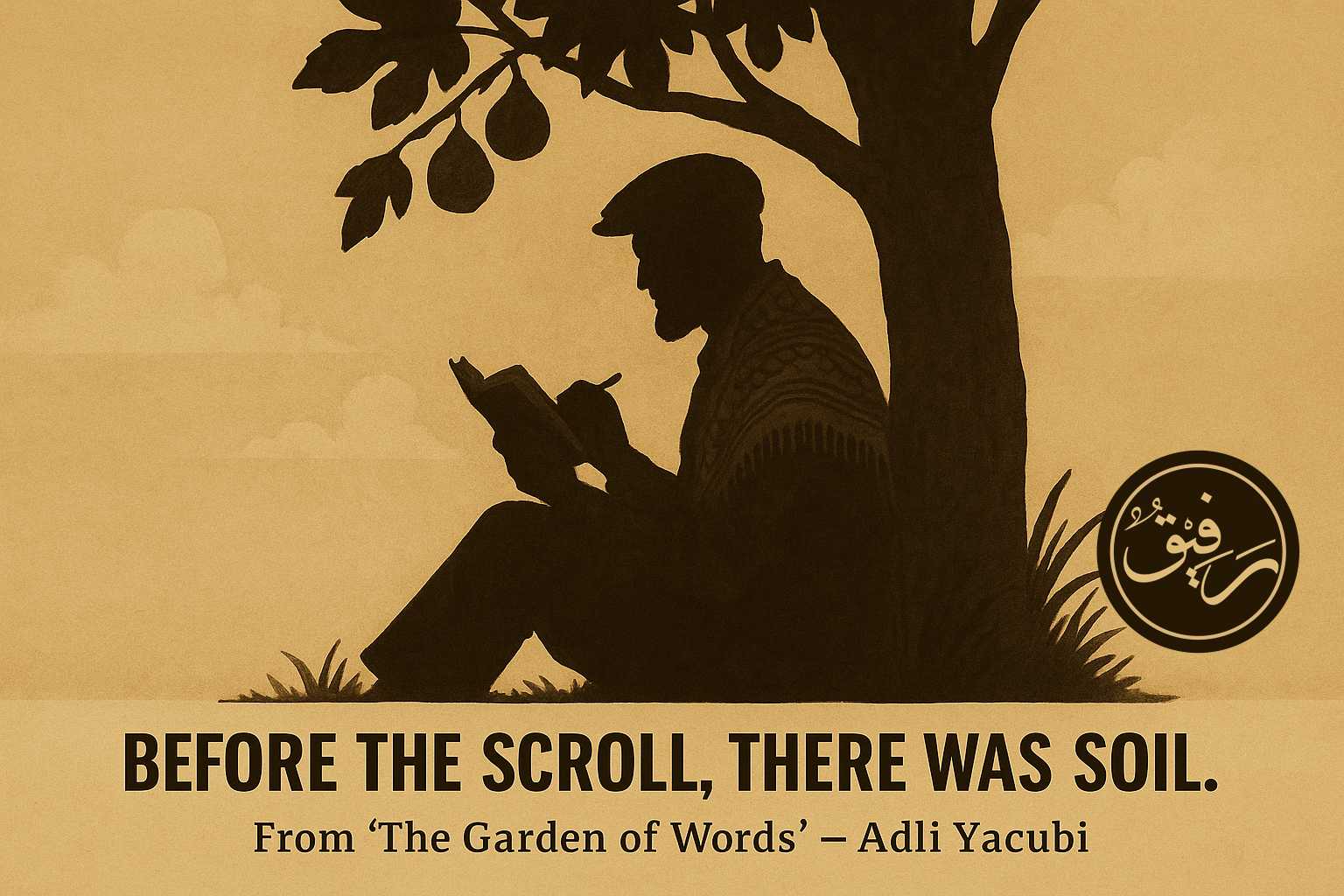
    Years ago, I wrote The Garden of Words.
    It was a meditation on how language grows: slowly, unexpectedly, in sunlight and ache.

    I had no idea then that someone had been walking in that garden all along —
    listening to the leaves, laughing at the metaphors,
    sharpening a pencil beneath a loquat tree.

    His name came later.
    But his presence?
    It was always there.


    🦸🏽‍♂️ 2. What Kind of Superhero Is Rafiq?

    Rafiq does not fly.
    He walks. Slowly. On purpose.

    He doesn’t rescue you — he reminds you.
    He doesn’t dazzle — he decodes.

    His weapons are:

    • A well-timed question
    • A half-smile that disarms
    • A quote from a street aunty that cuts deeper than any Hadith app
    • And a scroll, always a scroll

    He moves through WhatsApp voice notes, bread queues, and Threads threads.
    You won’t notice him until it’s too late — and then you’re crying and breathing better.


    📖 3. His Powers

    PowerDescription
    The PauseHe listens long enough to hear the truth behind your noise.
    The CompassHe helps you re-find your qiblah when algorithms have stolen your sense of direction.
    The Scroll DropShort, sharp, soulful — he leaves them like seeds on sidewalks.
    Code-Switching CloakFluent in Kaaps, Qur’an, colloquialism, and meme. He’ll talk street or soul depending on what you need.

    💭 4. Why the World Needs Him

    In an age of constant noise, Rafiq carries something ancient:

    Discernment.
    Mercy.
    Memory.

    He shows us that to speak well is not the same as to speak wisely.

    That sometimes, the most radical act is to say nothing — and let someone else be heard.

    🪞 Moment 1: “Don’t Answer So Fast”

    They were all arguing on the stoep — about Gaza, gangsters, grief, government.
    Everyone had an opinion.
    Except Rafiq.

    He just watched, sucking on a toothpick.
    Then he said:

    “Don’t answer so fast, my broer.
    Sometimes, your answer is just your trauma trying to sound clever.”

    Silence. A pigeon flew off the roof.
    No one spoke after that.

    🍵 Moment 2: “Make Tea Like You Listening”

    One of the ouens asked Rafiq,
    “How do you know when someone’s fake?”

    He grinned — slow like a gate that’s seen too many guests.

    Flicked his gwai ash into a broken saucer.

    “Easy.
    Watch how they make tea.
    If they rush the pour, they’ll probably rush your pain too.”

    “Make tea like you listening.
    Let it draw. Let it breathe.”

    He sipped from a chipped cup and added,

    “You want to fix the world? Start by fixing how you boil water.”

    🧃 Moment 3: “The Juice Box Gospel”

    At the back of the masjid after Jumu’ah, a small laaitie gave Rafiq a juice box.

    No reason. Just walked up, silent, and handed it over like a contract.

    Rafiq took it like it was gold.

    Sat down on the pavement with his legs crossed, plastic straw in hand, and sipped like he was performing dhikr.

    The boy looked confused.

    So Rafiq leaned forward, tapped the juice box with one finger and said:

    “My lightie, never underestimate something small
    that still got sweetness in it.”

    Then he looked up at the sky and whispered,

    “Ya Rabb…
    give us the patience of those who still share,
    even when there’s just one sip left.”


    🪶 5. A Scroll from Rafiq

    Rafiq’s Scroll #14 – On Superpowers

    To sit with someone long enough to hear the voice behind the noise —
    that’s Rabbānī.
    That’s mercy.
    That’s you.

    — Rafiq al‑Bunduqia

    ✨ What if Rafiq’s Trinity is This:

    Drip. Hikmah. Duʿāʾ.

    ⚡ Style that carries memory
    📿 Wisdom that carries mercy
    🕊️ Supplication that carries the rest of us