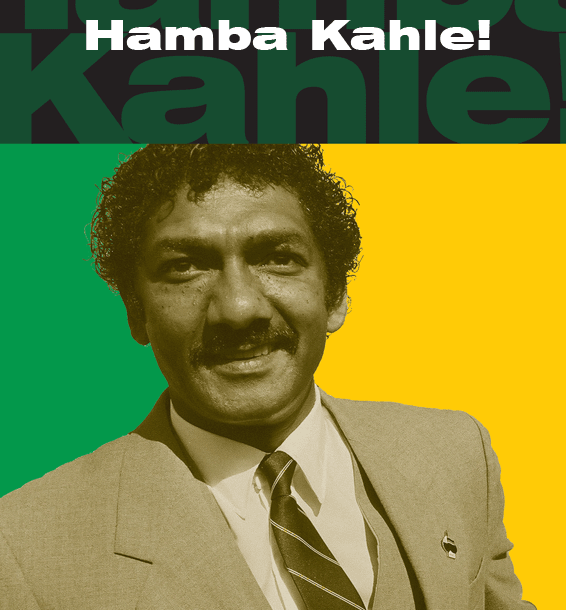
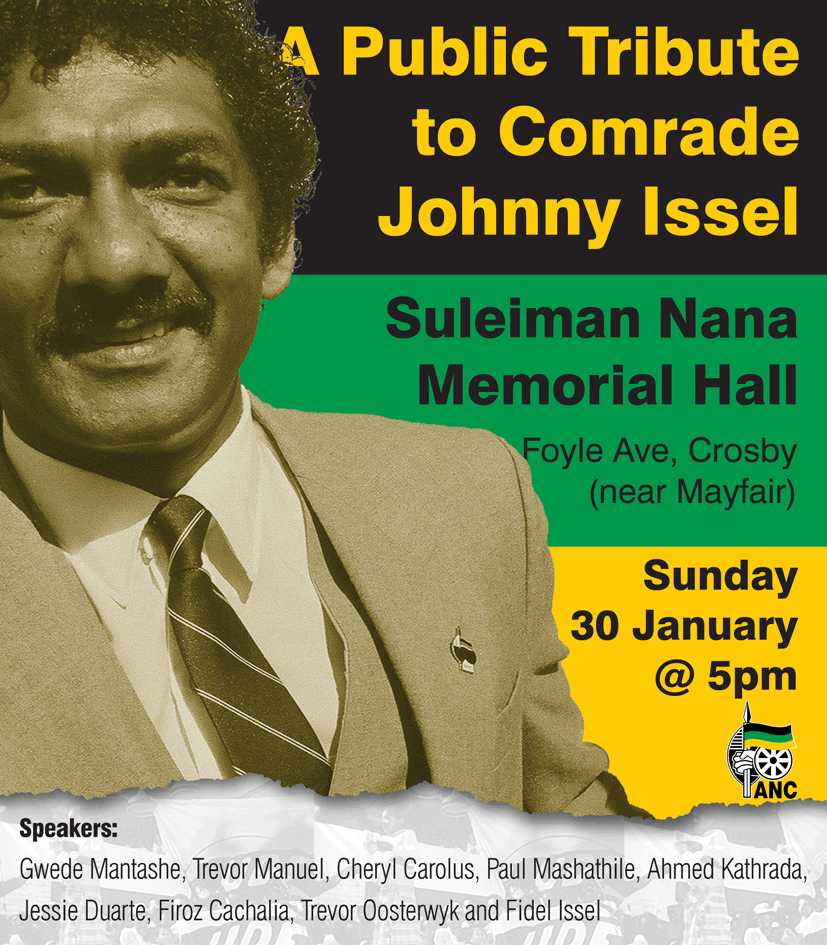
In 2011, on 23 January, an icon of the struggle for freedom and democracy in South Africa passed away. Johnny Issel was not just central to the formation of the United Democratic Front, he also played a critical role in the life of so many community organisations and activists from that era. I cut my teeth in media at Grassroots Publications that would not have existed if not for Johnny.
It was then a deep honour for me to be involved in the committee that organised a tribute to Johnny Issel in Johannesburg when many of his comrades and friends could not make it to the official memorial in Cape Town. My small contribution was to design posters and banners for that tribute.
In deciding how to design the banners and posters, I was inspired by the following comments Ryland Fisher made in his own tribute article:
But while he was promoting legal opposition to the apartheid regime, Issel also played a major role in popularising the ANC in the Western Cape and in South Africa while the organisation was banned.
He was the key driver behind the first public unfurling of the ANC flag at Hennie Ferrus’s funeral in Worcester, which was soon followed by more public displays of the ANC flag. At this time, one could be jailed for at least five years for possessing, let alone displaying, an ANC flag.
When the ANC was unbanned in the early 1990s, it was almost logical that Issel should be appointed as its Western Cape organiser. This time the title organiser was appropriate, because the ANC hoped to tap into his considerable experience of organising communities.
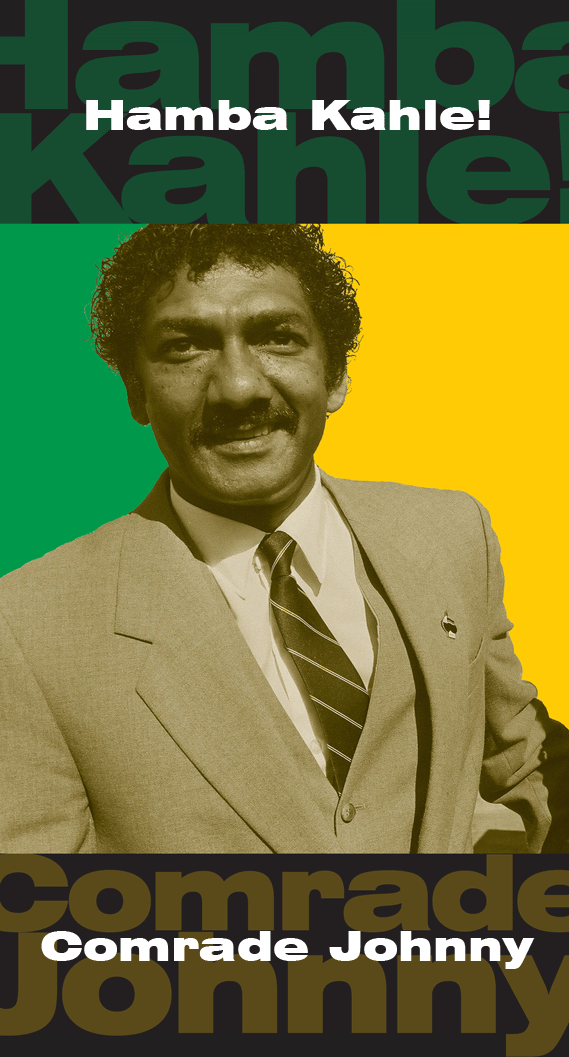
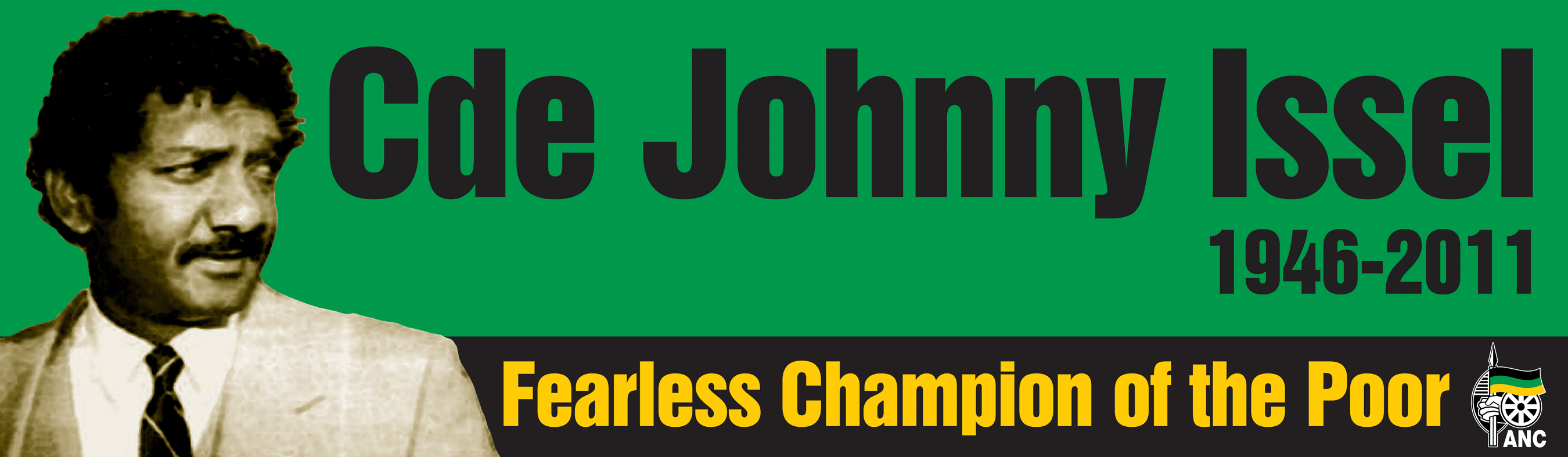
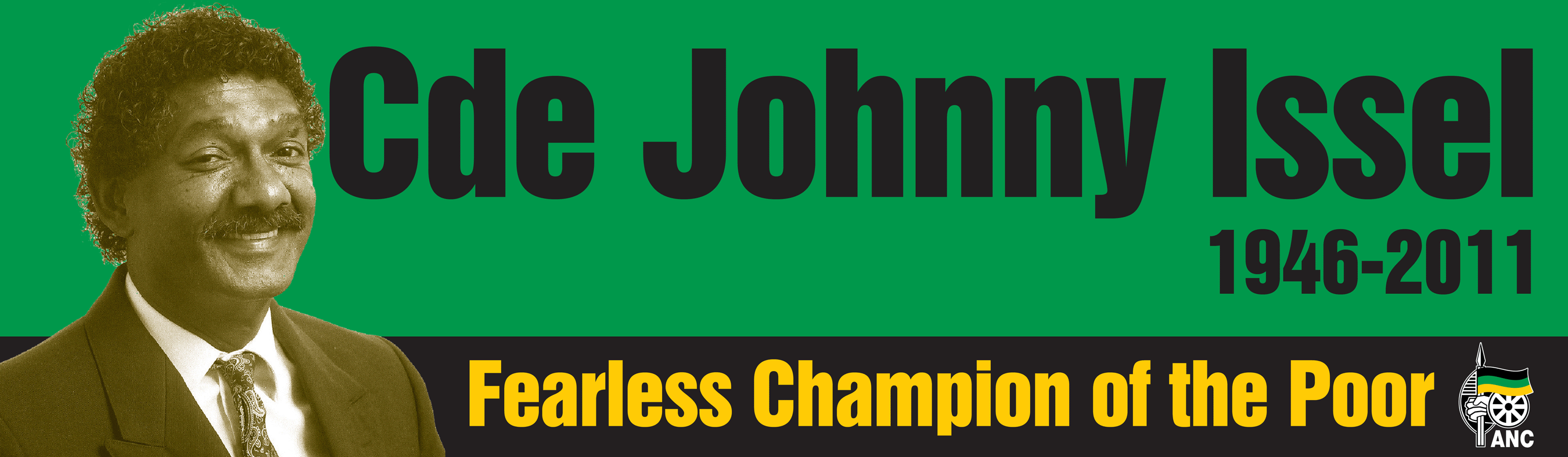
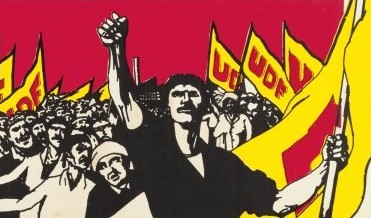
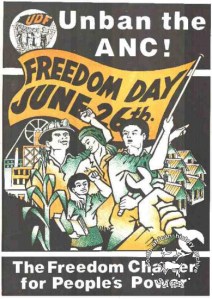
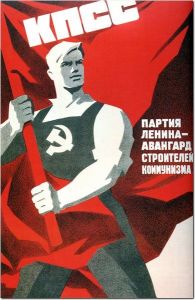
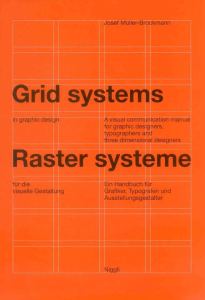 It is in light of this that I will be sharing (soon) my own poster designs influenced by constructivism and grid system design. This matches nicely with my fascination of Kufic art which is, sort of, an Arabic calligraphic expression of the same.
 Adli Yacubi