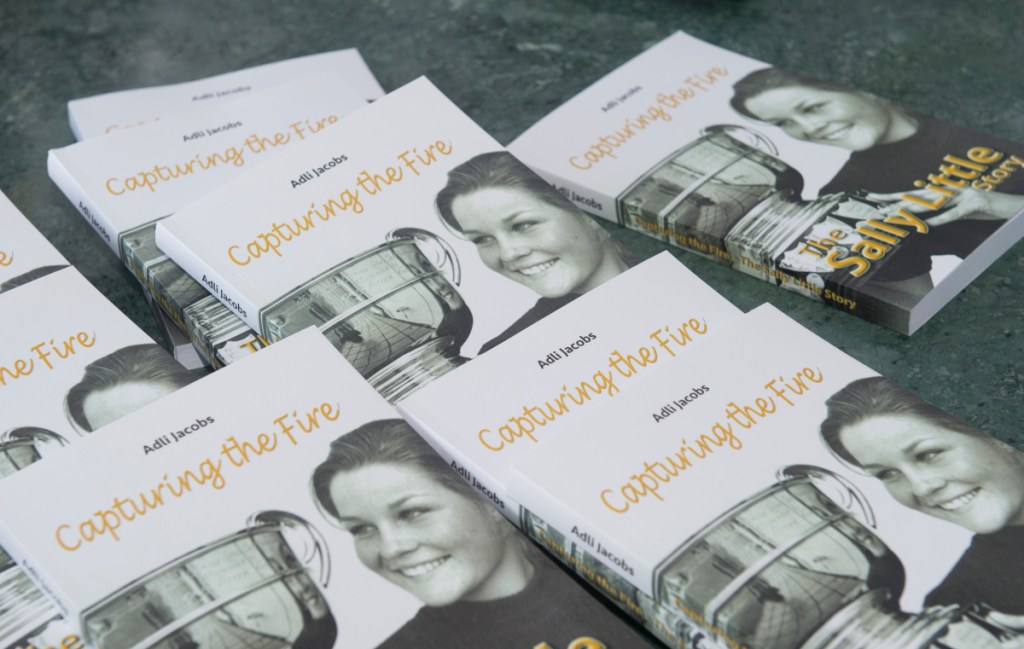
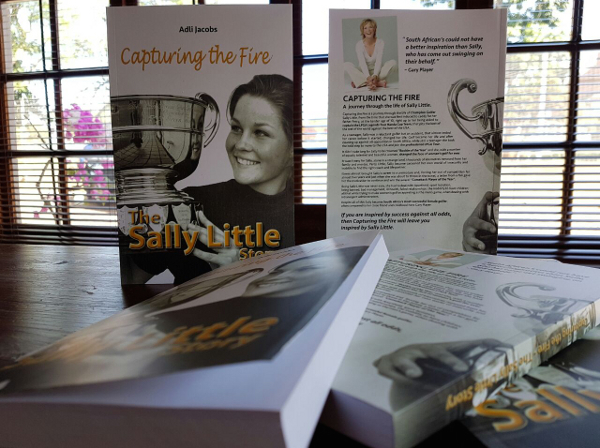
Adli Jacobs shares his insights on the process of writing Capturing the Fire and why setting the tone in storytelling is so important.
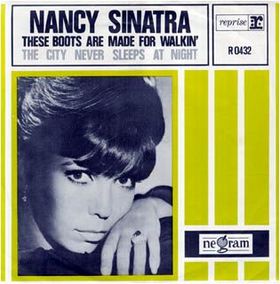
- Copyright belongs to Reprise Records or the graphic artist(s).
Music is phenomenal. It is not just the universal communications that can cut across language barriers, the age gap or cultural differences. It sets the mood or the scene, draws out the emotions when you least expect it and can say things in ways that often defies explanation. But there is one more reason why it can be invaluable in a book.
When I was writing the first few chapters of Capturing the Fire, a song came to mind when I was writing about a part of Sally Little’s life when she was struggling with a violent fiancé. It was a major milestone for her and as she was explaining how she dealt with event, These Boots Are Made For Walkin’ started to play in my head.
I googled the song and lo and behold, it was released in the very year this event took place! Originally performed by Nancy Sinatra (Frank’s daughter) and written by Lee Hazlewood, the song was first heard on the radio in 1966. That’s a year after I was born. Since then, various cover versions were made by, amongst others, Geri Halliwell and Jessica Simpson.
I took the chorus lyrics and placed it as inspiration at the top of Chapter Three: Mr Wrong in the red MG. I read the chapter once more and realised that the lyrics just added an interesting dimension to the story; it transports the reader back to that time period and suggests the mood of Sally Little at the time.
Later, as the editing unfolded, the editor asked me why some chapters had a quote or lyrics of a song such as Nancy Sinatra’s and why the others did not. I said, “It was spur of the moment thing.” But when I thought about it, I realised that there are probably songs at every milestone to Sally’s life that can help set the time for that era. And of course, there are.
You can google any year and you will find lists of popular hits with few variations from country to country. These Boots, for example, became a hit song once more in 2005 not just in the US and the UK but also Germany, Switzerland, Belgium, The Netherlands, Austria, Ukraine and Greece. This, of course, speaks volumes about the monopolies in the international music industry.
So the book ended up having song lyrics at the beginning of every chapter where I could not find some other relevant quotation. The song did not only have to be relevant to the time, the lyrics also had to speak to the content of the chapter and perhaps add a layer of insight or perspective that I could not, as the writer, say overtly.
The irony of it all was that Sally is actually a classical music fan and there are not many lyrics for that genre or at least words that people will remember. She was once invited by her sister Janeen to join them at a U2 concert in the States. She was not much of a U2 fan (or pop music for that matter) and so when it began to rain, she wanted to go home.
But I stuck to the music references in the biography because music pervades our lives whether we like the song or genre or not. It’s on the radio, on TV, in adverts, in movies. Music is everywhere and becomes a reference point through all our dramas, our breakdowns, our joys and celebrations.
Now, when Sally’s story becomes a feature movie, they will know which music to source to set the scene for the different chapters of her life. So let me just place those lyrics firmly in your head…
These boots are made for walking, and that’s just what they’ll do
One of these days these boots are gonna walk all over youAre you ready, boots?
Start walkin’
 Adli Yacubi